
Operations and reporting
Documenting Property Damage and Vandalism
By Price Protection SecurityReviewed TX DPS Lic #B09430601
Short answer
Documenting damage means the officer photographs what was found before anything is touched, writes a plain description of what it is and where, notes the time it was found rather than guessed, and gets that into an incident report the same shift, along with notifying maintenance or the client contact as the post orders direct. New vandalism, storm damage and pre-existing wear are documented differently, because each supports a different next step: a police report, an insurance claim, or simply a maintenance ticket.
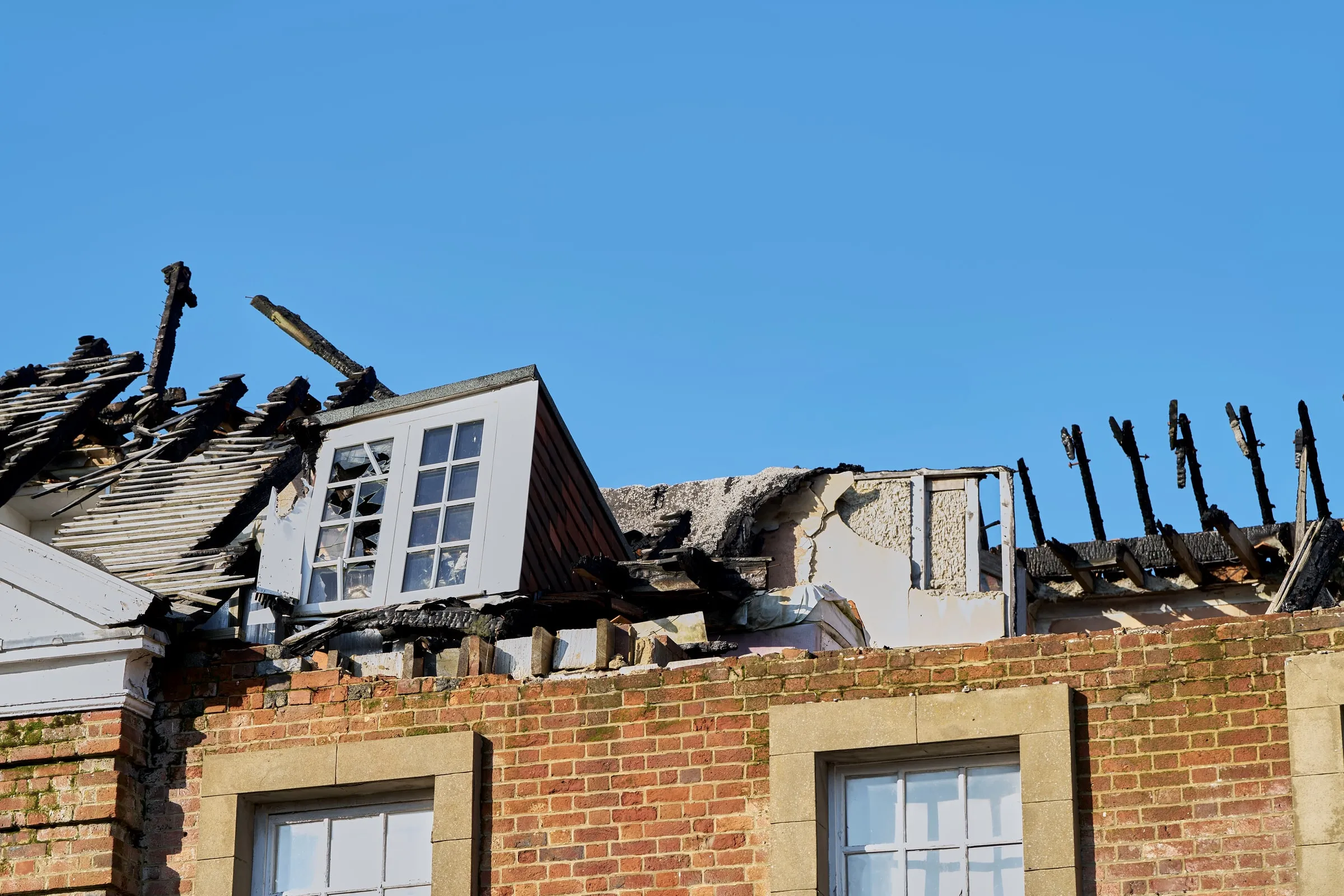
The first step is photographing before anything is touched
Whatever else a documentation process includes, it starts with a photograph taken before the area is disturbed, cleaned up or repaired. A broken window, a spray-painted wall, a dented gate, a torn screen: each is photographed from a distance that shows its location on the property and close enough to show the detail, with a phone’s or camera’s timestamp captured where possible. This matters because damage that has already been swept up or painted over cannot be documented after the fact no matter how well it is described in words, and a property manager, an insurer or a police officer reviewing the incident later has only what was captured at the time.
A plain written description does the rest of the work
A photograph shows what something looks like; a written description says what it is, where exactly it is, and what condition it was in before. Post orders call for specific language rather than a vague summary: not “damage to the fence” but “approximately eight feet of chain-link fence pushed inward near the northeast corner, adjacent to the dumpster enclosure,” with the time the officer found it, not an estimate of when it might have happened unless there is a reason to know. Where the officer did not witness the act itself, the report says so plainly rather than implying more certainty than the officer actually has.
New vandalism, storm damage and existing wear are not the same entry
Not everything an officer finds on a round is equally urgent, and lumping a fresh act of vandalism in with a scuff mark that has been there for months makes the daily report less useful, not more thorough. New vandalism, something that was not there on the previous round and shows signs of a deliberate act, spray paint, broken glass, a forced door, gets an incident report the same shift and prompt notification following the post orders’ contact tree. Storm or accident damage, a fence pushed over by wind, a dent from a delivery truck, still gets documented with photographs and a report, but the language and the next step differ: this goes toward a repair order or an insurance claim rather than a police report. Existing wear, a crack in a walkway, chipped paint, faded signage, is worth noting once so the record reflects the property’s condition, but does not need repeated documentation every time an officer passes it, unless it worsens.
Comparing what each kind of finding needs
| What was found | How it is documented | Where it goes next |
|---|---|---|
| Fresh vandalism (paint, broken glass, forced entry) | Photos before cleanup, written description, time found | Incident report, maintenance on-call, police report if the client wants one |
| Storm or accident damage | Photos, written description, cause noted if known | Maintenance ticket, insurance documentation |
| Existing wear or old damage | Noted once with a photo for the property’s record | Daily report, not repeated each round unless it changes |
Why the record matters after the officer’s shift ends
A well-documented incident does three jobs at once, none of which the officer controls once the report is filed. It supports a police report if the client wants to pursue one, since an officer’s timestamped photograph and description are more useful to police than a description recalled days later. It supports an insurance claim, where the property needs to show when damage was found and what it looked like at that time. And it becomes the property’s own record of a pattern, since a wall vandalized twice in a month, or a fence damaged in the same spot after two different storms, tells a manager something a single incident does not. None of that is possible if the original documentation was thin.
Watching for a pattern, not just a single event
A single act of vandalism is usually a maintenance and, where the client chooses, a police matter. A pattern, the same wall repeatedly targeted, damage that clusters around a specific gate or a blind corner, is worth flagging separately, because it points to something the property can change: better lighting, a camera added at that corner, a route adjustment so the spot gets checked more often. The daily and weekly reports are where this kind of pattern becomes visible, since a single night’s report shows one incident but a run of reports read together shows a location the property keeps having a problem with.
If the officer is on site when it happens
Occasionally an officer’s round or a camera catches damage as it is happening rather than finding it already done, and the post orders’ rule for that moment is observe and report, not intervene. The officer keeps distance, notes a description of anyone involved, times the observation and calls it in, following the same escalation the property has set for a crime in progress rather than treating vandalism as an exception. Texas law permits a private person to arrest for an offense committed in their presence that rises to a breach of the peace, but Price Protection’s post orders set narrower limits than the law allows, favoring observation, documentation and a police call over any physical intervention, because the goal is a usable record and everyone’s safety, not a confrontation. This section is a summary, not legal advice.
Where this fits in the officer’s post orders
The escalation rules, who gets called for what kind of damage and how quickly, are set in the post orders alongside the rest of the contact tree, and the incident report itself follows the same template used for any other incident on the property. The incident report template shows the structure, and the maintenance coordination article covers how a damage finding moves from the officer to the person who repairs it.
Questions
Related questions
How can an officer tell new vandalism from existing damage?
By comparing it against the last round's notes and any baseline photographs the property has on file. A mark on the wall noted last week is old; the same wall with fresh spray paint tonight is new, and the report should say which.
Does the officer confront someone caught vandalizing?
The officer observes, identifies if it can be done safely, and reports; the post orders do not call for physically stopping someone in the act. The property's post orders set the specific limits for that officer, that site.
Are photographs enough, or does the report need a written description too?
Both. A photograph without a written time, location and description is hard to use later; a description without a photograph is one person's account. Together they hold up whether the next step is a repair, an insurance claim or a police report.
Who gets the damage report besides the client?
The client's contact and maintenance, following the post orders, and a copy is kept with the daily records. If it involves a crime such as vandalism, the officer also files a police report where the client wants one on record.
Related pages
Insights
Glossary
Resources
Request a proposal
Request a proposal for your property.
Two short steps. Dispatch reviews every request and calls you back about coverage. For urgent unarmed coverage we can typically staff most sites within hours.
24-hour dispatch
(281) 326-9189