
Fire watch
Fire Watch and Security After a Fire
The fire department has left, the building is open to the sky and the sprinklers are drained. Someone has to stay, and it should be someone trained.
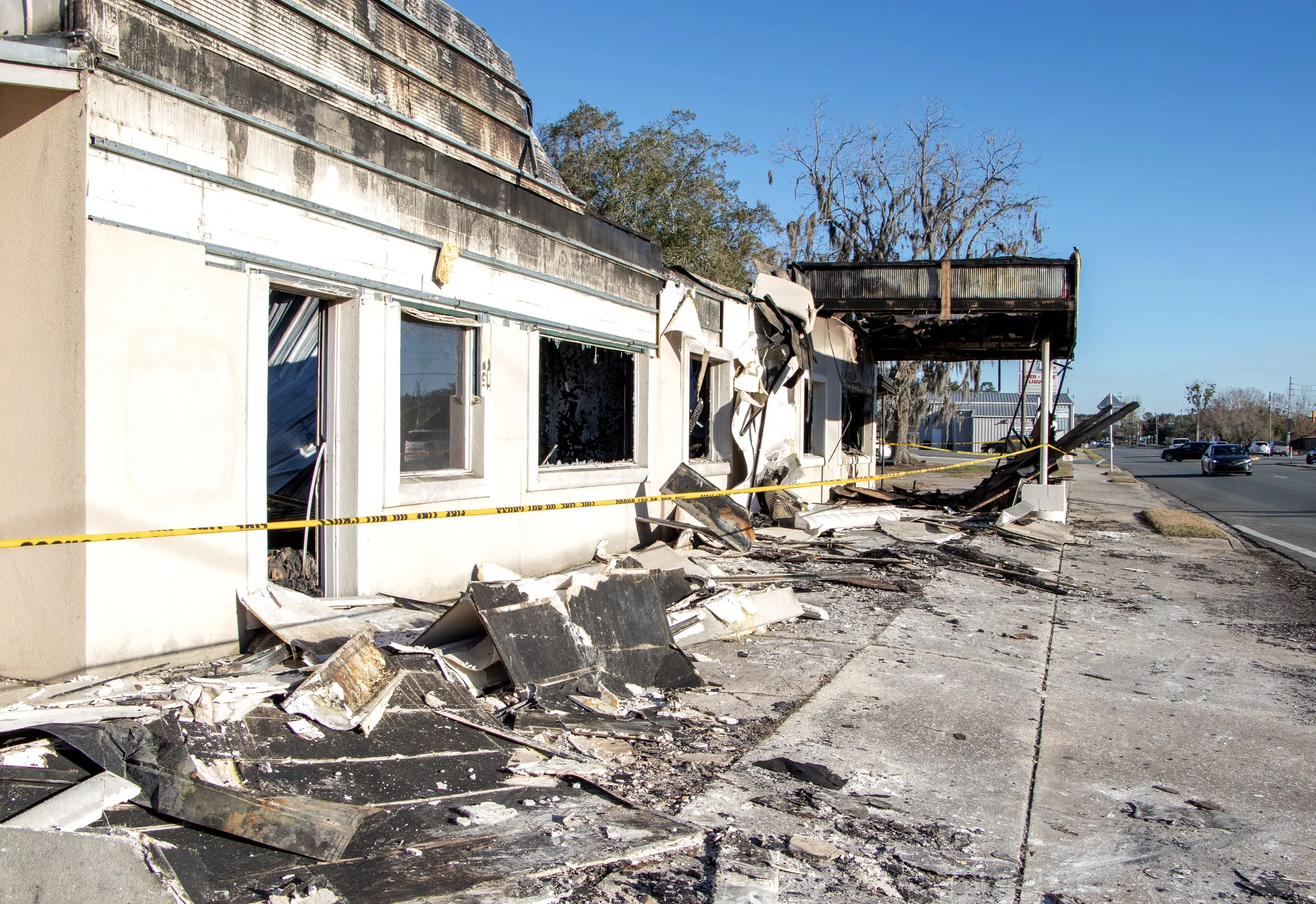
Fire watch and security after a fire is a combined post on a damaged building: fire watch rounds for rekindle and for the systems the fire disabled, and security for a structure that is open, unlit and suddenly interesting to everyone who passes it. Price Protection staffs these posts across Houston from the night of the fire, and keeps them running as the building moves from emergency to vacancy to restoration.
The first night
The fire department has done its work and left. What remains is a building with holes in it, a sprinkler system drained or destroyed, an alarm panel that may be dead, residents or tenants who need to get belongings and neighbors who want to look. The owner or the manager calls dispatch, and officers arrive with post orders drafted from that call: what is off limits, who is allowed in, how often to walk the perimeter and the safe areas, and who to call if the building starts to smoke again. The log opens with the time the officers arrived and the condition they found.
Fire watch and security in one post
Rekindle is the fire risk: hidden fire in a wall, a roof or a pile of debris that flares hours later. The fire watch rounds look and smell for it on the interval the fire marshal sets, and the officer knows the alarm method and the number to call. Entry is the security risk: scrappers for copper and fixtures, people looking for shelter, teenagers, and anyone who could be hurt in a structure that may not hold. The perimeter is walked, the openings are checked and logged, and people are kept out, with police called when they will not stay out. Adjusters, restoration crews and residents are escorted by the owner’s list and logged.
From emergency to vacancy
The fire watch ends when the systems are restored or the fire marshal lifts the requirement. The building is usually still vacant and exposed for weeks or months, and the post continues as a security patrol or a fixed post until restoration or demolition secures it. The log and the reports from the first night onward become the file the insurer asks for. This is a summary, not legal advice; the Houston Fire Marshal’s Office decides what a specific building requires.
Storm and flood damage
Wind, water and freeze damage leave buildings in the same condition without the fire: systems down, openings everywhere, people inside or wanting in. The same combined post applies, and the storm and hurricane damage page describes how it is arranged during and after Houston’s hurricane season.
When you need it
When fire watch after a fire is the right call.
The night of the fire
When the fire department releases the scene, the building is unsecured, its fire protection is out of service, and the risk of rekindle is highest in the first hours. Owners, managers and restoration contractors need someone on site through the night before anyone has had time to plan.
The building is partly occupied
A fire in one unit or one suite leaves the rest of the building open, often with residents or tenants still inside and the sprinkler system drained or the alarm disabled. The fire marshal may require a fire watch as the condition of continued occupancy.
The building is empty and attractive
A fire-damaged building has broken glass, open walls, copper in reach and no lighting. Scrappers, curious neighbors and people looking for shelter arrive within days, and every one of them is at risk in a structure that may not hold.
The insurer needs a record
Adjusters want to know the site was secured, that nobody entered, that the damage did not grow, and that the fire watch conditions were met. The officer's log and photographs are that record.
Starting coverage
What dispatch needs to start.
- The address, the extent of the damage and whether any part of the building is still occupied
- What the fire department and the fire marshal have said about the systems and about a fire watch
- Who holds the keys and who is allowed on site: the owner, the adjuster, the restoration contractor, residents
- Whether utilities are on, whether the building is fenced or boarded, and where officers can stage
- A contact for the owner or manager and for the insurer's adjuster
What the code says
- IFC 901.7
- Where a required fire protection system is out of service, including when it has been damaged or drained after a fire, the fire department and fire code official are notified and, where the official requires it, the building is evacuated or an approved fire watch is maintained until the system is restored.
- Source: International Fire Code, section 901.7, as adopted by the City of Houston with local amendments
- Houston adoption
- The City of Houston adopts the International Fire Code with local amendments. The Houston Fire Marshal's Office decides whether and on what terms a fire-damaged building may remain occupied and what watch is required.
- Source: City of Houston Fire Code; Houston Fire Marshal's Office
Summaries for planning, not legal advice. The authority having jurisdiction, in Houston the Fire Marshal's Office, decides what applies to a specific building.
Can you be on site the night of the fire?
Usually, yes. Dispatch answers 24 hours a day, and unarmed officers can typically be on most Houston sites within hours. Post orders are drafted from the call and completed on the first walk-through with the owner or the restoration contractor.
Is this a fire watch or a security post?
Both, where the post orders say so. Fire watch rounds cover rekindle and the impaired systems; security duties cover the perimeter, the openings and the people. On a building with residents still inside the fire watch comes first; on an empty shell the security duties dominate. The log and the report are kept separately where the fire marshal requires it.
Do officers enter the damaged area?
Only where the fire marshal, the structural engineer or the restoration contractor has said it is safe, and the post orders say which areas are off limits. Rounds cover what can be walked safely and observe the rest from outside.
How long does post-fire coverage last?
The fire watch lasts until the systems are restored or the authority lifts the requirement. The security post lasts as long as the building is vacant and exposed, often through demolition or restoration. Coverage moves from one to the other without a gap.
Will the insurer accept your log?
The log records rounds, times, conditions, entries and photographs in the form adjusters and fire marshals expect. We cannot speak for any insurer's decision, but the record is complete and signed.
Related pages
Industries we serve
Insights
Answers
Where we are
Fire watch after a fire across Greater Houston.
Every area below is staffed and supervised from our Sugar Land headquarters. Open an area to see the property types, neighborhoods and questions we hear there.
24-hour dispatch
(281) 326-9189Fort Bend County
Sugar Land and its neighbors, closest to our headquarters.
Houston
Neighborhoods and business districts inside the city.
North and west
Katy and Cypress up to The Woodlands and Conroe.
South and east
Pearland and Clear Lake across to Pasadena and Baytown.
Request a proposal
Request a proposal for fire watch after a fire.
Two short steps. Dispatch reviews every request and calls you back about coverage. For urgent unarmed coverage we can typically staff most sites within hours.
24-hour dispatch
(281) 326-9189