
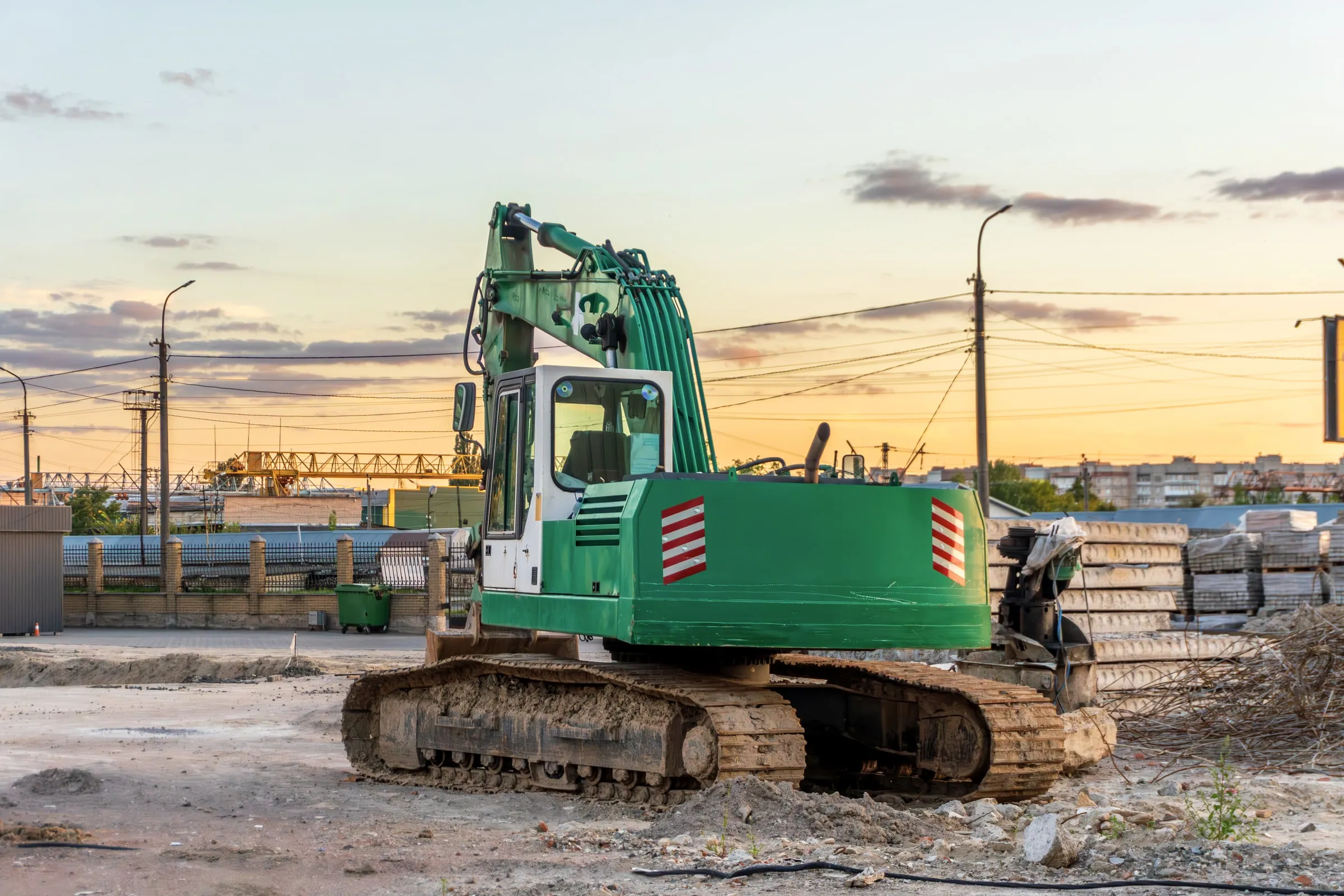
Security for Equipment and Material Yards
A yard that staffs a dozen job sites has to be secured on its own. We log every machine and every load against the fleet list, every shift.
Request a proposalThe situation
Why a yard is a standing target between projects
A fixed address, unlike the job sites it feeds
A contractor's equipment yard is a standing address with a known fence line and a known gate, unlike the job sites it supplies, which open and close over months. Anyone who has cased the yard once knows exactly where the equipment sits every night it is not out on a job.
A fleet of heavy equipment overnight
Excavators, skid steers, generators and trailers sit in the yard between assignments, often for days at a time, and each one is worth more idle in a yard than most of what it hauled to a job site that week. Keys left in ignitions and equipment parked in rows rather than staggered make theft faster.
Fuel on site, and a lot of it
A yard that fuels its own fleet keeps diesel on site in a tank or in bulk containers, which is its own theft target independent of the equipment. A tank drawn down overnight is often not noticed until the morning crew tries to fuel up for the day's jobs.
Quietest exactly when it is most valuable
The yard is busiest during the workday, when equipment is dispatched and returned, and completely empty overnight and on weekends, which is when the full fleet sits in one place with nobody watching it at all.
A yard is not a job site
Every job site a contractor runs eventually closes out. The equipment and material yard that supplies those job sites does not; it is a fixed, permanent address holding the fleet, the material stockpile and the fuel supply between assignments, and it is worth more sitting still overnight than most of what leaves it on any given morning. Price Protection treats a yard as its own post rather than an extension of whichever job site it happens to be feeding that week, because the risk profile is different: a known address, a known fence line, and a fleet that is easiest to take exactly when the yard is quietest.
The post orders are built around the yard manager’s fleet list and release process. They record how equipment is normally checked out, who is authorized to release a load after hours, where fuel is stored and how it is measured, and what the officer does when a truck arrives at the gate without paperwork the yard manager recognizes. A yard that supplies several active job sites often has trucks coming and going at unpredictable hours as crews mobilize early, and the post orders are written to handle that traffic without treating every early arrival as a problem.
The count is the post
Where a job site’s post is built around rounds and access points, a yard’s post is built around the count: equipment against the fleet list at the start of the shift, again at the end, and a note of anything that does not match. That count is what turns a missing excavator from a mystery discovered at the next job site into a loss tied to a specific night and a specific gap in the yard. The insight on what gets stolen from Houston job sites and when describes the same pattern that applies here: value concentrates where it sits still longest, and a yard is where the whole fleet sits still at once.
Fuel, keys and the small things that add up
Diesel storage and keys left in equipment are the yard’s quieter risks, easy to overlook next to the value of the machines themselves. A tank drawn down overnight is often not noticed until a crew tries to fuel up the next morning and finds the level wrong, and a habit of leaving keys in cabs for convenience during the day turns into an open invitation once the yard empties out for the night. The officer’s rounds check both on every pass, not only the fence line and the gate.
Working with the yard manager and dispatch
The yard manager gets the report before the morning’s first dispatch, with the equipment count, the fuel level and anything released overnight already logged. Where the yard supplies job sites directly, that report also flags equipment scheduled to go out that morning so the dispatcher can confirm it is where it should be before a crew arrives expecting it. Over time the pattern of releases and returns becomes part of what the officer knows about the yard’s normal rhythm, which is often how an unusual pickup gets noticed in the first place.
Starting coverage at a yard
To begin, dispatch needs the yard address, the current fleet list, the release process the yard manager uses for after-hours pickups, and the fuel storage arrangement. An unarmed officer can typically start within hours of the call, with the first equipment count taken on the first shift so the yard has a documented baseline from day one.
How we cover it
Every service, applied to this post.
- Unarmed security guards
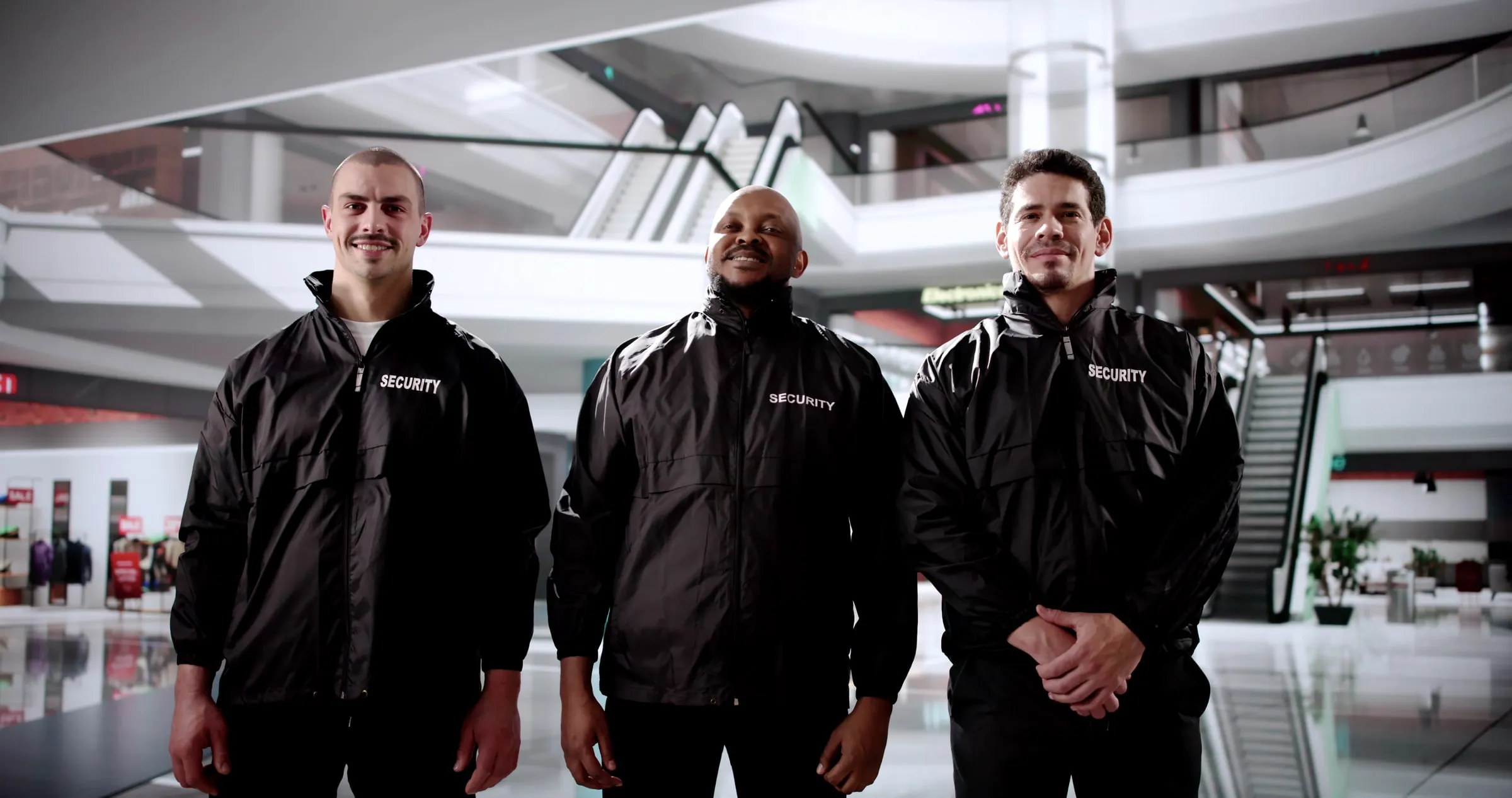
An unarmed officer at the yard overnight and on weekends checks the equipment against the fleet list at the start and end of the shift, walks the rows rather than watching from one spot, and confirms fuel tank levels against what the day shift left.
- Access control
Every vehicle and piece of equipment leaving the yard after hours is logged against a release the yard manager provides, and a truck or trailer that shows up without one is held until someone with authority confirms it by phone.
- Vehicle patrol
On a large yard, a vehicle round covers the equipment rows, the fuel storage and the fence line faster than a foot patrol, and stops at each row to confirm nothing has been moved since the last pass.
- Camera monitoring
Where the yard has cameras on the gate or the fuel island, the officer checks them between rounds and pulls the relevant clip immediately if the equipment count does not match the fleet list at shift change.
- Incident reporting
The daily report carries the equipment count at the start and end of the shift against the fleet list, every vehicle and load released after hours with the name on the release, fuel levels, and anything found moved, damaged or missing.
A typical post
What a shift looks like here.
At the start of the shift the officer walks the yard against the fleet list the day manager left, counting equipment by row and checking that keys are secured in the equipment or in the office rather than left in ignitions, and notes the fuel tank level.
Through the night the rounds vary in route and timing, covering the equipment rows, the fuel island and the fence line, and any vehicle approaching the gate after hours is met there rather than allowed to park and wait unattended near the equipment.
At the end of the shift the officer counts the fleet again against the list, checks the fuel level a second time, and writes the report so the day manager has the yard's condition before the first truck is dispatched that morning.
Reporting
What the daily report covers here
Every client receives a written report each day, and officer performance is reviewed and documented daily. This is what the report records on this kind of post.
- Equipment count at start and end of shift, against the fleet list
- Fuel tank or bulk storage levels checked, start and end of shift
- Vehicles and loads released after hours, with the name on the release
- Equipment rows and fence line checked, by time
- Keys found left in equipment, by unit
- Anything found moved, damaged or missing, by row and unit number
Questions
About equipment and material yards coverage.
Anything else? Call dispatch at (281) 326-9189.
How is a yard different from securing an active job site?
A job site's risk moves with the schedule and closes out when the project finishes. A yard is a fixed address that exists as long as the contractor operates, holding the full fleet at once during the hours nobody is dispatching or receiving equipment, which makes the count against a fleet list the center of the post rather than a secondary check.
Can the officer also manage equipment check-out for early morning jobs?
Where the yard's process calls for it, yes. An officer on the early morning shift can release equipment against the day's job list as crews arrive before the yard office opens, logging each release the same way a daytime dispatcher would, so nothing leaves without a name and a destination attached.
What happens if the equipment count does not match the fleet list?
The discrepancy is written into the report immediately with the last time the row was confirmed intact, and the yard manager is notified rather than waiting for the next scheduled report. A narrowed time window is what makes camera footage and gate logs useful for tracking down what happened.
Do you cover weekends differently than weeknights?
The yard is usually at its fullest on a weekend, since equipment returned Friday afternoon often sits until Monday's dispatch, so weekend coverage often runs the same overnight schedule extended through the days rather than a lighter weekday-only post.
Can you start coverage at a yard that supplies several active job sites?
Yes. Dispatch needs the yard address, the current fleet list, the release process the yard manager uses, and the hours equipment is typically dispatched and returned. An unarmed officer can typically be on site within hours of the call.
Related pages
Industries we serve
Service areas
Glossary
Resources
Request a proposal
Request a proposal for equipment and material yards.
Two short steps. Dispatch reviews every request and calls you back about coverage. For urgent unarmed coverage we can typically staff most sites within hours.
24-hour dispatch
(281) 326-9189