
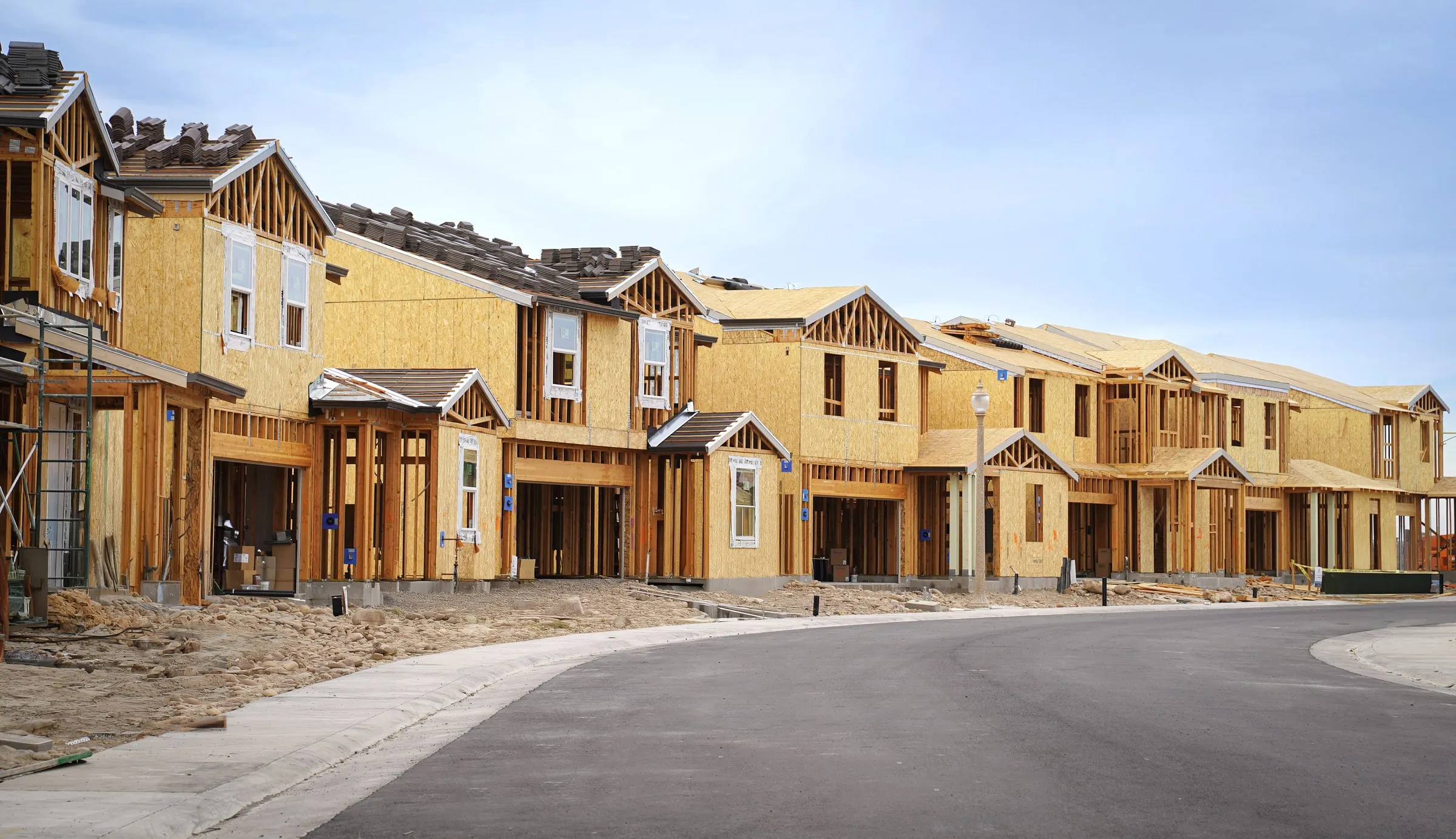
Security for Residential Subdivision Construction
Forty houses in ten stages of framing at once. We patrol by street and phase, and the model home gets its own round every night.
Request a proposalThe situation
Why a subdivision is dozens of small sites, not one
Every house is a different stage
A subdivision under active construction has framing going up on one street, drywall going in on the next, and finished homes waiting for their final walkthrough on a third. Each stage has its own theft target, from lumber and sheathing to copper and appliances, spread across dozens of addresses instead of one fenced lot.
The model home never closes
The model home and its furnished sales office sit open to the public most days, with staged furniture, electronics and finishes worth more than the house itself in some rooms, and a sales agent who cannot watch the parking lot and the buyer at the same time.
Appliance and fixture packages arrive before the buyer does
Cabinets, appliances and HVAC units are delivered to a house on a schedule tied to the closing date, not to whether anyone is watching that street that week. A garage door with a lock but no one checking it is an open house to anyone driving the neighborhood after dark.
Unfinished streets bring unrelated traffic
A subdivision under construction has streets with no addresses yet, no streetlights in some phases, and easy vehicle access from the county road before gates or curbs are finished. It draws dumping, joyriding and looky-loos along with the people who are actually there to take something.
A subdivision is many small sites, not one
Most construction security is written for a single fenced lot. A subdivision is the opposite: it is forty or a hundred small, unfenced sites strung along streets that are themselves under construction, each house at a different stage of framing, drywall or finish. Price Protection covers a subdivision the way the builder actually works it, by phase and by street, rather than pretending it is one property with one perimeter. The patrol route is built from the builder’s current phase map, and it changes as fast as the map does.
The post orders record which streets are active, where the construction entrance is for the phase currently building, what the builder’s delivery schedule looks like for appliances and fixtures, and where the model home and sales office sit relative to the rest of the site. On a large master-planned community with several builders working different sections, the orders fold in each builder’s schedule and contact rather than treating the whole community as one client.
The model home is a different kind of risk
Every other house in the subdivision is empty until it sells. The model home is not; it is open to the public most days, staffed by sales agents who are focused on buyers, not on the parking lot, and furnished with finishes the builder wants buyers to see and touch. After the sales office closes for the evening, that furniture, the electronics staged in the media room and the appliances in the model kitchen are sitting in a house with the same lock as every other one on the street. The insight on what gets stolen on Houston job sites and when applies to the model home as much as to a framed lot, and the evening round treats it that way.
Appliances, fixtures and the closing calendar
A subdivision’s theft risk tracks the closing calendar as much as the construction calendar. Cabinets, appliances and HVAC equipment are delivered to a specific address on a schedule tied to when that house is expected to close, and the days between delivery and the buyer’s final walkthrough are the exposed window. A builder who shares that delivery schedule gets a patrol route that spends more time on the addresses currently in that window, rather than an even sweep of every street regardless of what is actually inside.
Streets that are not open yet
New streets without curbs, streetlights or addresses are part of the subdivision long before they are part of the public road network, and they are the easiest way into the property for anyone who has no reason to be there. Dumping, joyriding and theft all use the same unfinished access points. The officer’s rounds cover those streets on the same basis as the finished ones, and post orders say what happens with a vehicle that has driven onto a street that has no legitimate destination on it yet.
Starting patrol coverage
To begin, dispatch needs the subdivision’s current phase map, the builder’s delivery schedule for appliances and fixtures, the model home’s hours and location, and a superintendent’s contact for each builder active on the property. An unarmed patrol can typically start within hours of the call, with the route weighted from the first night toward whichever streets the phase map shows as most exposed that week.
How we cover it
Every service, applied to this post.
- Unarmed security guards
An unarmed officer patrols the subdivision by street and construction phase rather than sitting at one entrance, checking framed homes for open access points, appliance and fixture deliveries against the builder's schedule, and the model home's parking lot and grounds after the sales office closes.
- Vehicle patrol
A marked vehicle covers a subdivision faster than foot patrol can, running the built streets and the streets still under grading, and stopping at homes where material or equipment has been staged in the driveway or the garage overnight.
- Access control
At the construction entrance, the officer logs contractor and delivery vehicles against the day's build schedule and keeps non-construction traffic, including looky-loos and dumping, out of streets that are not yet open to the public.
- Camera monitoring
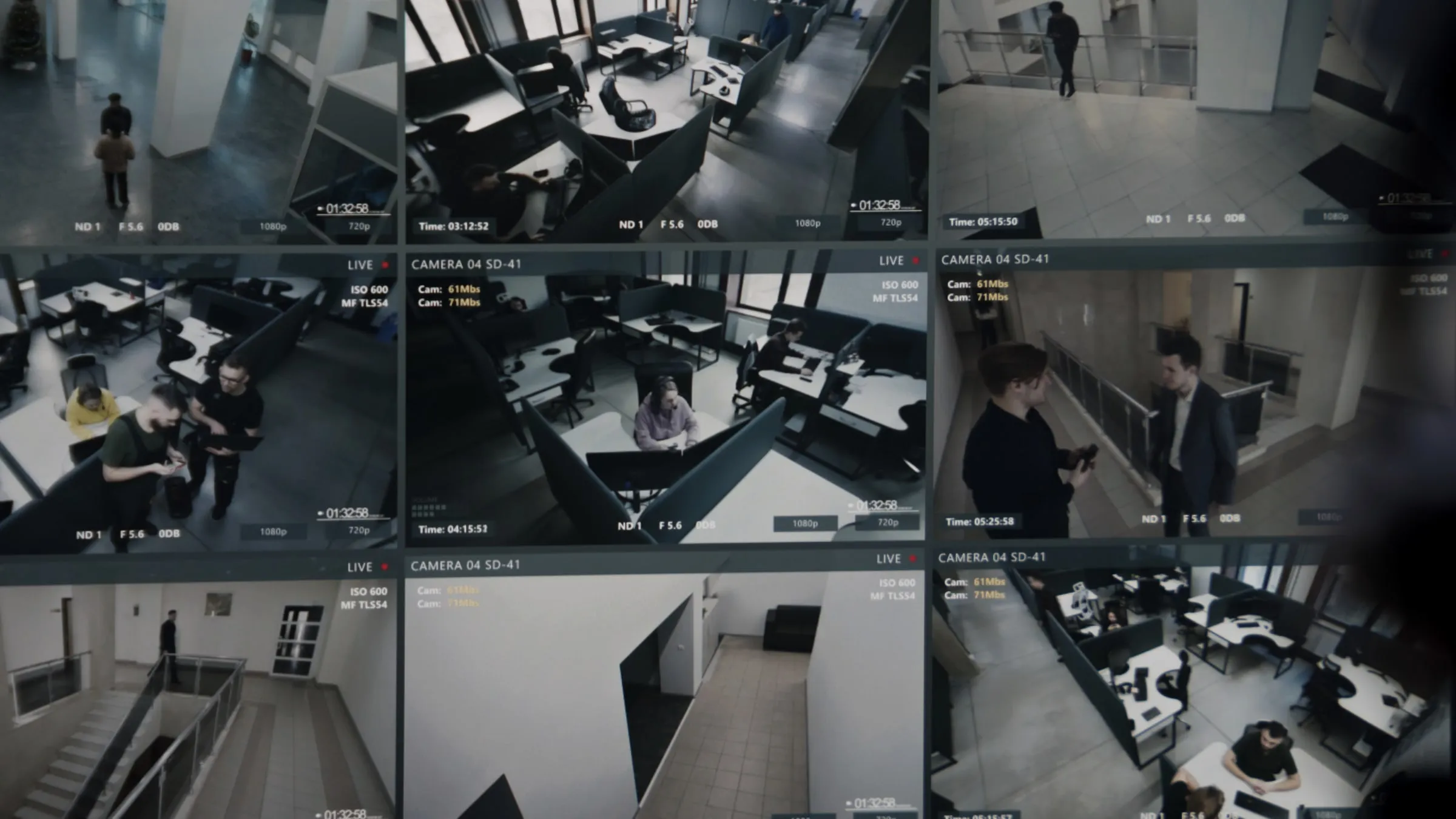
Where the builder has cameras on the model home or the sales office, the officer checks them between patrol rounds, particularly after the sales staff leaves for the evening and the model sits alone until the next showing.
- Incident reporting
The daily report is organized by street and phase, with homes checked, appliance and fixture deliveries logged by address, the model home's condition noted, and any open house, garage or window found unsecured passed to the builder's superintendent by address.
A typical post
What a shift looks like here.
The officer starts the patrol where the schedule shows the most exposure that week: houses that just received an appliance package, or a street where framing closed in the day before without the doors and windows yet installed. The route through the subdivision changes night to night rather than running the same loop.
Through the evening the model home gets its own stop once the sales office closes, checking that the doors are locked, the furnishings are undisturbed and the parking lot is clear. The rest of the round covers each phase in turn, driveways and garages on framed and drywalled homes, and any street where grading equipment has been left overnight.
Near the end of the shift the officer notes which addresses had deliveries that day and confirms each against the builder's list, so a missing appliance is tied to a house and a night rather than discovered when the buyer does the final walkthrough weeks later.
Reporting
What the daily report covers here
Every client receives a written report each day, and officer performance is reviewed and documented daily. This is what the report records on this kind of post.
- Homes checked by street and construction phase, with anything found open
- Appliance and fixture deliveries logged by address
- Model home and sales office checked, doors and grounds
- Construction entrance vehicles logged against the day's build schedule
- Equipment or material left in driveways or garages overnight
- Non-construction traffic on unopened streets, with plate and outcome
How does one officer cover forty houses across several streets?
By vehicle, on a route built around the builder's phase schedule rather than a fixed loop, spending the most time where homes have just been framed or just received an appliance package. The builder's weekly schedule tells us which streets need more attention that week, and the route changes with it.
Does the model home need its own coverage separate from the rest of the subdivision?
Usually yes. The model is open to the public during the day, staffed by sales agents rather than construction crews, and furnished with finishes worth protecting on their own after hours. Many builders add an evening and weekend round specifically for the model and its lot, on top of the general subdivision patrol.
What happens when a street has no addresses or streetlights yet?
The officer still patrols it, usually with more attention, because an unlit street with open framing and no curb yet is the easiest part of the subdivision to drive into unnoticed. Post orders cover what to do with a vehicle that has no reason to be on a street that is not open to the public.
Can you time coverage to when appliance packages are delivered?
Yes. Builders that share the delivery schedule get patrol routes weighted toward the addresses receiving cabinets, appliances or HVAC equipment that week, since a house is at its most exposed in the days between delivery and the buyer's final walkthrough.
Do you work with more than one builder in the same development?
Often. Master-planned communities frequently have several builders working different sections at once, each on their own schedule. Dispatch takes a schedule and a contact from each builder and folds them into one patrol route rather than running a separate post per builder.
Related pages
Industries we serve
Insights
Glossary
Resources
Request a proposal
Request a proposal for residential subdivisions.
Two short steps. Dispatch reviews every request and calls you back about coverage. For urgent unarmed coverage we can typically staff most sites within hours.
24-hour dispatch
(281) 326-9189