
Houston and local
Construction Site Security in Houston's Growth Corridors
By Price Protection SecurityReviewed TX DPS Lic #B09430601
Short answer
Job sites in Houston's growth corridors, Katy, Cypress, Conroe and Pearland among them, are exposed differently than sites closer to the urban core. The land is flat and open, the nearest occupied buildings can be a quarter mile away, streetlights often are not installed yet, and one contractor's yard can sit within sight of three or four other open sites. Coverage in these corridors is planned around distance and darkness first, and around the specific materials on site second.
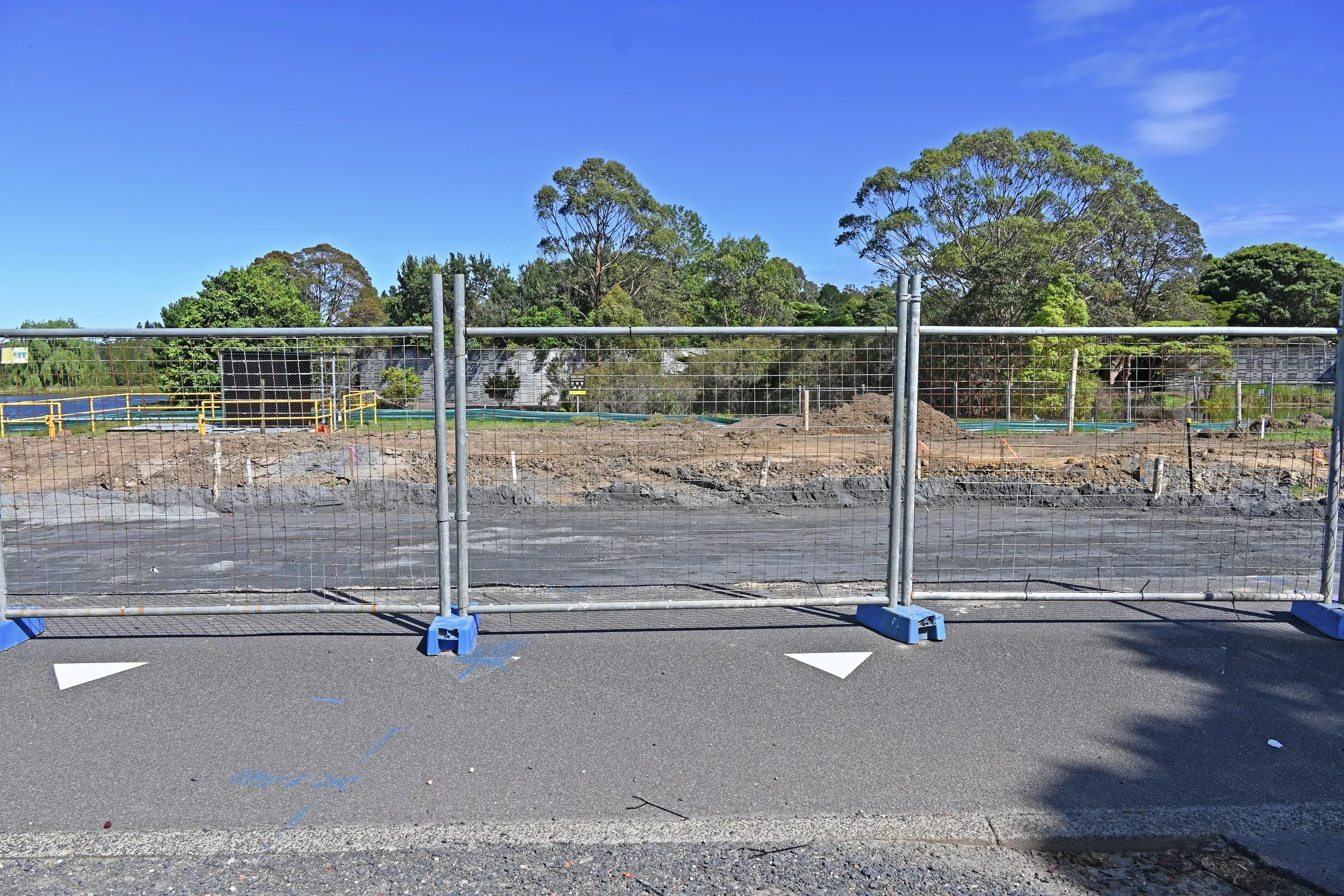
The corridors build faster than the infrastructure around them
Houston’s growth is not concentrated at the edge of a single suburb; it runs along several corridors at once, and each one has the same basic shape. A master plan is approved, roads and utilities go in first, and then subdivisions, schools, medical buildings and retail pads rise in waves, often faster than the streetlights, sidewalks and occupied rooftops that would normally make a site feel watched. Katy, Cypress, Conroe and Pearland are the corridors where this is most visible right now, each pushing outward across county lines with new phases opening while earlier ones are still under a year old. A job site in one of these areas can sit on a road with no permanent lighting, bordered by two other open sites and a stretch of undeveloped land, for the better part of a year. That is a different exposure than a renovation project downtown with neighbors on every side, and it is the reason coverage for growth-corridor sites is planned around distance and darkness before it is planned around any single material.
One patrol route, several open sites
The upside of how these corridors build is that a single vehicle patrol can often cover more ground usefully than it could closer to the city center, because several open sites for the same builder, or for different trades working the same master-planned section, sit within a few miles of each other. A route written for a growth corridor visits each site on a rotating order through the night, checks the fence line, the equipment yard and any trailer or conex for signs of entry, and logs the time of each stop. For a general contractor running several subdivisions in the same area, or a utility contractor working road and infrastructure phases across a corridor, this is usually the more practical arrangement than a fixed officer at every gate, and it scales as new phases open and older ones close out. The route itself is written from the project schedule, not fixed once and left alone, because a corridor’s mix of open sites changes every few months as phases finish.
County lines multiply the paperwork before they multiply the risk
Growth corridors rarely respect a single county’s boundary. Katy spreads across Harris, Fort Bend and Waller counties. The Cypress area sits mostly in Harris County but reaches into Waller as it grows west. Conroe and the corridor around it sit in Montgomery County, with parts bordering Harris. Pearland spans Brazoria, Harris and Fort Bend counties depending on the address. For a job site, this matters less for the risk itself and more for the post orders: which sheriff’s office or municipal police department the officer calls, and which county’s fire marshal has authority if hot work on the project needs a fire watch. A subdivision going up along a corridor’s edge can have one phase in one county and the next phase, a few hundred yards away, in another. Post orders for growth-corridor sites record the jurisdiction by address rather than by the corridor’s common name, because that is the detail that actually determines who responds.
What changes across the region’s growth corridors
Each corridor has its own character, even though the underlying pattern, roads ahead of rooftops, is the same everywhere. The table below is a general comparison; a specific site’s post orders are written from its own schedule and layout.
| Corridor | General character | What the post usually emphasizes |
|---|---|---|
| Katy | Subdivisions, schools and retail pads across three counties along the Grand Parkway and I-10 | Weekend and overnight patrol, jurisdiction noted by address |
| Cypress | Master-planned residential growth spreading west and north of Houston | Long patrol routes across widely spaced phases |
| Conroe | Residential and commercial growth along I-45 north of The Woodlands | Overnight coverage across a corridor with limited permanent lighting |
| Pearland | Subdivisions and commercial pads expanding west toward Manvel | Weekend site security paired with nearby retail and medical coverage |
What is exposed shifts as the schedule moves
A growth-corridor site does not carry the same risk from groundbreaking to closeout, and the post that fits the early months is not the one that fits the last stretch before homeowners move in. In the earliest phase, before slabs are poured, the exposure is equipment and fuel sitting on open, unlit land with no structure yet to lock anything inside. Skid steers, generators and fuel tanks left overnight on a cleared pad are the target, and a patrol built around checking that equipment and logging anything that moves is the right fit. Once framing and rough electrical and plumbing begin, the exposure shifts inside the buildings themselves, toward copper, wire and fixtures that sit exposed in open stud bays for weeks at a time. By the final stretch of the project, appliances, HVAC condensers and finish materials staged for installation become the draw. A post that stays fixed on perimeter and equipment checks the whole way through a project misses this progression; the route and its focus should be revisited each time the schedule moves into a new phase, which a supervisor typically does at the same walk-through where the post orders are first reviewed against the builder’s updated timeline.
Getting a post started in a growth corridor
Dispatch needs the site address or addresses, the project schedule, particularly the dates rough framing and rough-in begin, the gate and fencing arrangement, and a superintendent’s contact for the walk-through. Because these corridors change month to month as phases open and close, the post is reviewed against the schedule rather than set once at the start of the project. An unarmed officer can usually begin on a growth-corridor site within hours of the first call, and where a builder is running several open sites in the same area, the walk-through covers all of them at once so the patrol route can be planned across the group from the first shift. The construction site security checklist is a useful starting point for the fencing, lighting and storage questions a supervisor will ask.
Questions
Related questions
Why does a growth-corridor job site need different coverage than one closer to town?
Distance and darkness. A site inside the Loop usually has neighbors, streetlights and passing traffic at every hour. A subdivision going up on the edge of Katy or Conroe can sit a half mile from the nearest occupied house, with no permanent lighting installed and a frontage road that empties out after the last trade crew leaves for the day.
Can one patrol cover more than one growth-corridor site?
Often, and it is one of the practical advantages of how these corridors build. A builder with several subdivisions under construction within a few miles of each other, or several trade contractors working the same master-planned area, can share a vehicle patrol route with each site visited and logged on a rotating schedule rather than paying for a dedicated officer at every gate.
Do county lines complicate coverage in these corridors?
Yes, more often than a site closer to the city center. Katy alone sits across three counties, and a growth corridor's boundary lines rarely line up with where the subdivision's own address suggests. Post orders record which sheriff's office or police department and which fire marshal has jurisdiction at each specific site, because it can change from one intersection to the next.
What is the biggest exposure early in a growth-corridor project versus late in one?
Early in the project, it is the equipment and fuel sitting on open land with no structure yet to secure. Late in the project, once framing and rough-in begin, it becomes copper, wire and fixtures inside buildings that still have no functioning locks. The post usually shifts from a perimeter and equipment watch to an interior-focused route as the schedule moves.
Related pages
Industries we serve
Services
Insights
- How to Prepare a Construction Site for Overnight Security
- Construction Site Theft in Houston: What Gets Stolen and When
- Apartment Security in Houston: What Property Managers Are Dealing With
- Houston Hurricane Aftermath: Property Security When Power Is Out
- Retail Security Along Houston's Major Corridors
Resources
Request a proposal
Request a proposal for your property.
Two short steps. Dispatch reviews every request and calls you back about coverage. For urgent unarmed coverage we can typically staff most sites within hours.
24-hour dispatch
(281) 326-9189