
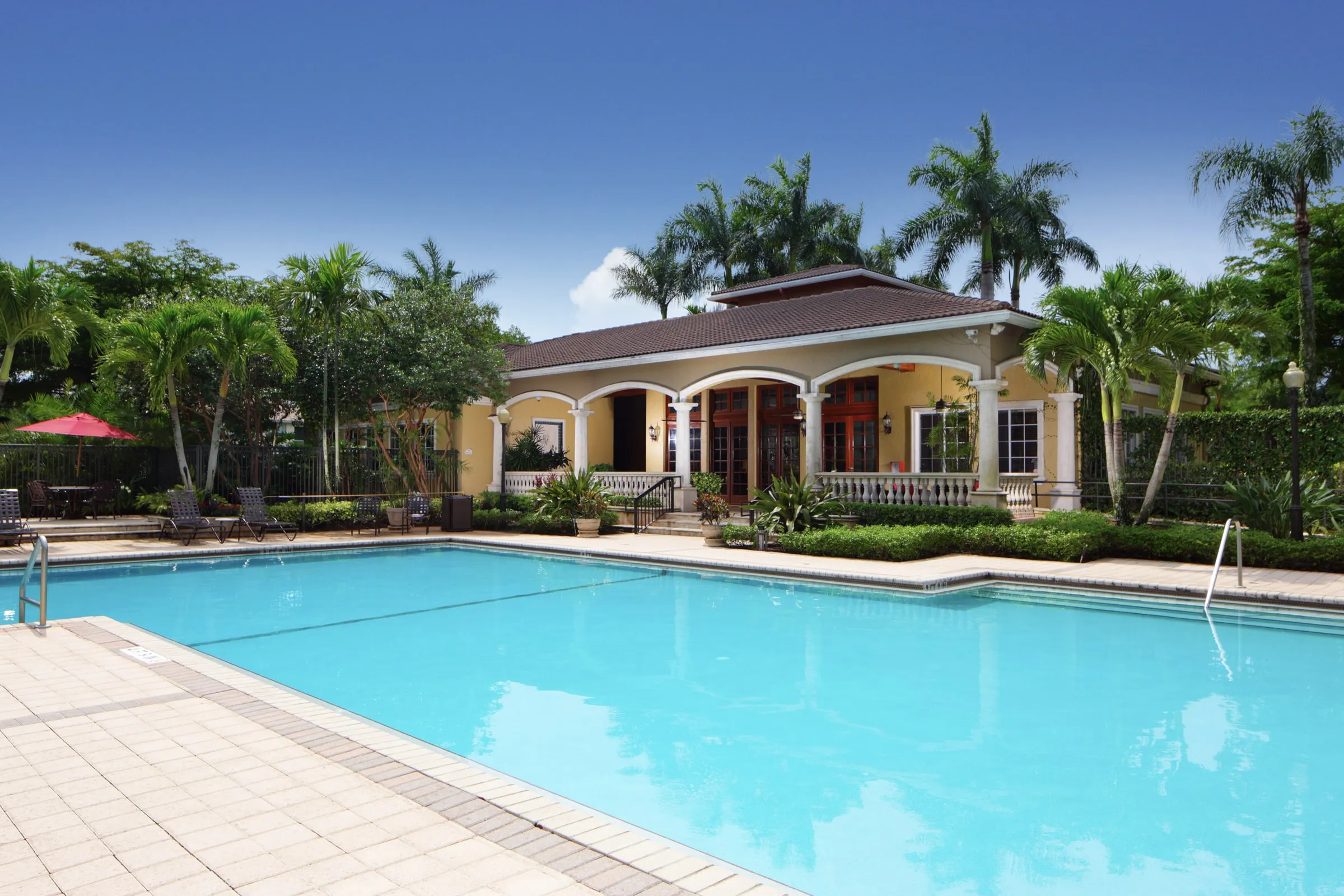
Security for HOA Amenity Centers and Pools
An officer at the pool gate and the clubhouse when the whole neighborhood is there: rules applied courteously, closings on time, everything logged.
Request a proposalThe situation
What an amenity center deals with in season
Non-residents at the pool
On a hot Saturday the pool is the best place in the area, and people from outside the community know the gate code or come through the fence. Crowding, rule breaking and the occasional fight follow, and the residents who pay for the pool leave.
After the gate locks
Night swimming, teenagers on the deck, glass on the concrete and cars in the lot at midnight. The pool's fob gate is climbed and the clubhouse patio is used as a hangout. Damage shows up on Monday.
Alcohol, glass and the rules
Coolers, glass bottles, music, dogs, unsupervised children, reserved pavilions that get taken. Every rule on the sign needs someone present to apply it, and the lifeguard cannot.
Event nights
The clubhouse rental with a hundred guests, the summer concert on the lawn, the July fireworks. Parking overflows, the gate is propped, and the association is responsible for all of it.
The pool is where the community meets its rules
An amenity center is the one place an association’s rules meet a crowd. The sign lists them; the lifeguard cannot apply them; the manager is not there on Saturday. Price Protection’s amenity post is a fixed officer at the gate and on the deck for the hours the board chooses, with post orders that restate the rules on the sign, the guest policy and the closing time, and a report that tells the manager on Monday what happened.
The gate, the deck and the lot
At the gate the officer checks residents by whatever the association uses and applies the guest rule as written. On the deck the officer walks, asks courteously, and logs: glass, speakers, dogs, unsupervised children, reserved pavilions. In the lot the officer watches for cars from outside and for anything left in them. Contacts are short and polite; refusals are logged; police are called for a disturbance or a refusal to leave. The lifeguard watches the water and the two work together.
Closing, and after
Closing is the moment that matters: the deck cleared, the gate locked, the clubhouse checked, the lot emptied, all at the posted time and logged. After that the amenity center is a checkpoint on the community’s patrol route, if there is one, with the gate tested and the deck checked on each round. Associations without a patrol can book an after-hours check of the amenity center alone during the weeks the problem runs. Damage found on a round is photographed and logged the same night, so the manager has the record before the repair is ordered.
Events
Clubhouse rentals and association events are covered for the hours of the event, with the gate, the lot and the facility staffed and the host briefed on what the officer will do. Parking overflow onto the streets is logged; propped gates are cleared; the report goes to the manager the next morning.
Starting a season
Dispatch needs the amenity center’s address and layout, the hours the board wants, the season’s dates, the check-in method, the rules and the guest policy as written, the event calendar and the manager’s after-hours number. The supervisor walks the facility with the manager, writes the post orders and starts the post on the first weekend the board chooses.
How we cover it
Every service, applied to this post.
- Unarmed security guards
A fixed unarmed officer at the amenity center for the hours the board chooses, most often afternoons and evenings on summer weekends and holidays, checking residents in at the gate, applying the rules on the sign courteously and closing the facility at the posted hour.
- Access control
Residents are checked by fob, amenity card, pass or the resident list the association provides; guests by the guest rule. Non-residents are turned away and logged, and codes or fobs that have been shared are reported to the manager.
- Vehicle patrol
After closing, the amenity center becomes a checkpoint on the community's patrol route: the pool gate tested, the deck and the clubhouse patio checked, the lot cleared, every round logged. Communities without a patrol can book an after-hours check on its own.
- Camera monitoring
Where the association has cameras on the pool deck, the lot and the clubhouse, the officer watches them between contacts and the patrol reviews them after an incident, pulling the clip for the manager.
- Incident reporting
The daily report lists check-ins refused, rule contacts and their outcome, closings with times, after-hours contacts, damage found and anything the lifeguard or attendant reported to the officer, so the manager can answer complaints and the board can see the season.
A typical post
What a shift looks like here.
The Saturday officer arrives before the afternoon crowd and walks the deck with the lifeguard: glass in the trash cans, the pavilion reservation list, the gate that does not latch. At the gate, residents show cards or fobs and guests are counted against the rule. A group without cards says they live in the next section; the list says otherwise, and they are courteously turned away and logged.
Through the afternoon the officer walks the deck and the lot, asks a family to move a glass bottle, quiets a speaker, watches the lot for cars from outside the community and takes a complaint about a dog on the deck. A child is separated from a parent for ten minutes; the officer and the lifeguard find the parent and it is logged.
At closing the deck is cleared, the gate locked, the clubhouse checked and the lot emptied. On the patrol's later round the gate is tested and two teenagers on the deck are asked to leave; the report lists the refusals, the contacts, the closing time and the after-hours entry.

Reporting
What the daily report covers here
Every client receives a written report each day, and officer performance is reviewed and documented daily. This is what the report records on this kind of post.
- Non-residents refused at the gate, with the reason and time
- Rule contacts on the deck and the outcome
- Closing time and the state of the deck, gate, clubhouse and lot
- After-hours contacts and entries found on the patrol round
- Damage, glass, broken furniture and hazards found
- Lifeguard and attendant reports passed to the officer
- Event-night arrivals, parking and incidents
Do we need an officer all summer, or only on weekends?
Most associations staff weekend afternoons and evenings from Memorial Day through Labor Day, add holidays and event nights, and cover weekdays only where there is a problem. The proposal prices the hours the board chooses.
How does the officer know who is a resident?
By the method the association uses: fobs, amenity cards, a pass, or a resident list at the gate. The post orders restate the guest rule and the officer applies it as written.
Can the officer make someone leave?
The officer asks non-residents and rule breakers to leave courteously, logs the contact and calls the police for anyone who refuses or for any disturbance. Officers do not use force to remove anyone.
What about the lifeguards?
The lifeguard watches the water; the officer handles the gate, the deck rules, the lot and the people. The two work together and the post orders say who calls whom.
Can you cover a clubhouse rental?
Yes. Event coverage for a rental or an association event is booked for the hours of the event, with the gate, the lot and the facility covered and the report going to the manager.
Related pages
Industries we serve
Service areas
Insights
Glossary
Request a proposal
Request a proposal for hoa amenity centers.
Two short steps. Dispatch reviews every request and calls you back about coverage. For urgent unarmed coverage we can typically staff most sites within hours.
24-hour dispatch
(281) 326-9189