
Security for Apartment Clubhouses and Fitness Centers
The clubhouse, the gym and the business center used by residents, on the hours the lease allows, with the equipment still there in the morning.
Request a proposalThe situation
What a clubhouse and fitness center deal with
Twenty-four-hour access
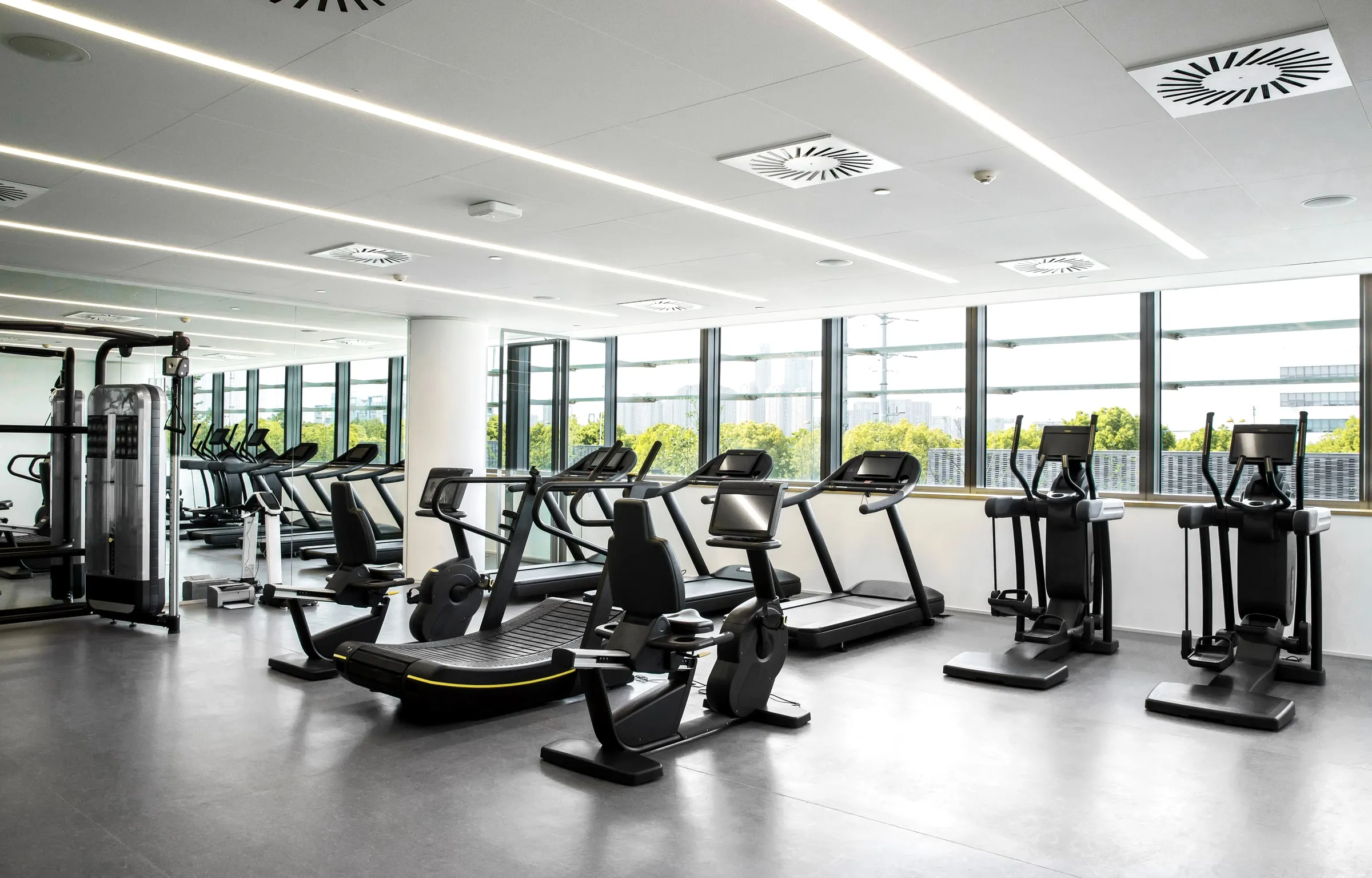
A 24-hour fitness center on a fob is open to every resident, every resident's guest and everyone who was given a fob and never returned it. At three in the morning it is a lit room with televisions and nobody watching.
The clubhouse after the office closes
The clubhouse is the leasing office's showpiece by day and a party room by night: residents' gatherings, unauthorized use, teenagers in the game room, food left out, furniture damaged.
Equipment and furnishings
Treadmills, televisions, computers in the business center, pool tables and patio furniture are the community's most portable assets, behind a door that opens for a fob.
Conduct and complaints
Residents complain about people in the gym who do not live there, music in the clubhouse at midnight and the business center used as a bedroom. The manager hears about it the next day.
A room that opens for a fob
The amenity building is the community’s most portable property behind its least selective door. A fob opens the fitness center for every resident, every guest and everyone who kept a fob after moving out, and the clubhouse and business center are a party room and a bedroom after the office closes. Price Protection covers the amenity building as a checkpoint on the courtesy patrol’s rounds, and with a dedicated officer for the evening and overnight hours where the manager wants one, applying the amenity rules the lease sets and checking users against the resident list.
Fobs and residents
The fob system is the control and the officer tests it. A person whose fob works but who is not on the list is asked to leave courteously and the fob is reported for deactivation; over a month the reports tell the manager how many fobs are still live for people who left. Guests are kept to the rule, and the rooms that close at a posted hour are secured with the doors tested.
Conduct, damage and the cameras
The complaints residents bring to the office are about conduct in the amenity building: non-residents in the gym, music in the clubhouse at midnight, someone living in the business center. The officer’s rounds and contacts answer them, with the police called for anything beyond a request to leave. Damage and missing equipment are found on the round, photographed, logged, matched to the camera window and reported that night. Where the cameras are down, the round is the only record, and the officer walks the rooms more often until they are back.
Rentals
Where residents rent the clubhouse, the rental is covered as an event when the manager wants it: the reservation checked, the guest count kept, the rules applied and the room’s condition logged at the close for the deposit. The manager receives the log with the report and settles the deposit from it rather than from a walk-through days later.
Starting coverage
Dispatch needs the community’s address, the amenity building’s rooms and their hours under the lease, the fob or app system, the resident list arrangement, the hours the manager wants and the manager’s after-hours number. The supervisor walks the amenity building with the manager, writes the post orders and coverage starts on the agreed night.
How we cover it
Every service, applied to this post.
- Unarmed security guards
An unarmed officer covering the clubhouse and fitness center for the hours the manager chooses, most often evenings and overnight, checking fobs and residency, applying the amenity rules and hours, walking the rooms on a schedule and closing what the lease says closes.
- Access control
The amenity's fob system is the control; the officer confirms users against the resident list, reports fobs that open the door for people who no longer live there, keeps guests to the rule and secures rooms at the posted hour.
- Camera monitoring
The community's cameras in the fitness center, the clubhouse and the business center watched from the office or the courtesy officer's phone between rounds, with clips pulled for the manager after damage or a complaint.
- Vehicle patrol
Where the community runs a courtesy patrol, the amenity building is a checkpoint on every round, with the rooms walked, users checked and the doors tested, so the amenity is not left unwatched between dedicated hours.
- Incident reporting
A daily report to the manager: amenity checks with times, non-residents found and turned away, fobs reported as invalid, rule contacts, rooms secured, damage found and anything the manager asked the post to watch for.
A typical post
What a shift looks like here.
The evening officer starts at the clubhouse as the office closes: the kitchen checked, the game room's hours confirmed, the business center's door tested. In the fitness center two people are using the equipment; fobs and residency are checked and one, a former resident whose fob still works, is asked to leave courteously and the fob is reported.
Through the night the rooms are walked on the hour and the cameras watched between rounds. A group in the clubhouse at eleven without a reservation is reminded of the hours and leaves; the kitchen is cleaned by them before they go. A television in the game room is found unmounted and photographed, and the manager's after-hours line is told.
At the posted hour the clubhouse and the business center are secured, the fitness center left open as the lease allows, and the last round finds it empty. The report lists the former resident's fob, the clubhouse group, the television and the rooms secured with times.
Reporting
What the daily report covers here
Every client receives a written report each day, and officer performance is reviewed and documented daily. This is what the report records on this kind of post.
- Amenity checks by room with times
- Users checked and non-residents found, with the fob reported
- Rule contacts: hours, guests, conduct, and the outcome
- Rooms secured at the posted hour and doors tested
- Damage and missing equipment found, photographed and reported
- Reservations and rentals covered, with the renter and the close
- Camera observations acted on
Questions
About clubhouses and fitness centers coverage.
Anything else? Call dispatch at (281) 326-9189.
Can the officer tell who is a resident?
By the resident list the office provides and the community's fob or app system. A person whose fob works but who is not on the list is asked to leave courteously and the fob is reported for deactivation.
Do we need an officer at the fitness center all night?
Usually not. Most communities cover the amenity building as a checkpoint on the courtesy patrol's rounds and add a dedicated officer for the evening hours or for a period after a problem. The proposal prices what the manager chooses.
What about clubhouse rentals by residents?
Rentals are covered as events where the manager wants it: the reservation checked, the guest count kept, the rules applied and the clubhouse secured at the close with the state of the room logged for the deposit.
What happens when equipment goes missing?
The round finds it, it is photographed and logged with the time, the cameras are reviewed for the window, the manager's after-hours line is told, and the police are called where the post orders direct.
Can you cover the business center?
Yes. The business center is on the round, checked for people sleeping or living in it, and secured at the hour the lease sets.
Related pages
Industries we serve
Service areas
Insights
Glossary
Request a proposal
Request a proposal for clubhouses and fitness centers.
Two short steps. Dispatch reviews every request and calls you back about coverage. For urgent unarmed coverage we can typically staff most sites within hours.
24-hour dispatch
(281) 326-9189