

Security for Resident Events at Apartment Communities
An officer at the gate and on the deck for the pool party or the holiday event, so the manager can host instead of policing.
Request a proposalThe situation
What a resident event deals with
The plus-ones
A pool party for residents becomes a party for everyone they know. Guests bring guests, the gate is propped, and by nine the deck holds twice the people the manager planned for and half of them do not live there.
Alcohol on the deck
Where the community permits alcohol at an event, the pool rules, glass and the lease's conduct clause all collide. The manager is serving hot dogs, not watching the deck.
The lot and the units
During an event the residents are at the clubhouse and their units and cars are unattended, which anyone who knows the event schedule also knows.
The end of the night
Events end late, guests linger, cars leave the lot in a rush and the amenity has to be closed and checked. Staff want to go home.
So the manager can host
A resident event is a party the manager throws for people who pay rent, and it goes wrong the same way every time: the guest rule dissolves at the gate, glass appears on the deck, the alcohol policy meets the conduct clause and the manager ends the night as the person who ruined it. Price Protection’s event officer takes the policing so the manager can host. The post orders for the event restate the guest rule, the alcohol policy, the amenity rules and the closing time, and the officer applies them at the gate and on the deck with a courteous word.
The gate
Residents are checked by whatever the community uses, guests by the rule the manager set for the night, and non-residents are turned away courteously and logged. The gate is kept from being propped. The rule holds because the officer, not the manager or the staff, is the one holding it. A resident who wants to bring more guests than the rule allows is told once, courteously, and the manager is not put in the position of saying no to a neighbor. The refusals are logged so the manager can explain them the next day if asked.
The deck, the lot and the units
The officer walks the deck and the lot alternately: glass swapped for cups, capacity watched, groups at the far end of the lot contacted, a car door left open matched to its owner. Large communities keep the courtesy patrol on its route during the event, because residents at the clubhouse mean units and cars unattended and an event schedule that everyone knows.
The close
Events end late. The deck is cleared with the manager at the posted time, the gate locked, the clubhouse checked, the lot walked as cars leave and the officer stays until the staff’s cars are the last ones. The report the next morning lists what happened and what to change for the next event.
Booking
Dispatch needs the community’s address, the event, the date and hours including setup and close, the amenity, the guest rule and the alcohol policy for the night, the expected attendance and the manager’s number. An unarmed officer is booked for the event; holiday and weekend dates fill early.
How we cover it
Every service, applied to this post.
- Unarmed security guards
An unarmed officer for the event, from setup through the last guest: at the gate with the guest list or the resident check, on the deck applying the amenity rules, in the lot on rounds and at the close with the manager.
- Access control
Residents checked by the community's method and guests by the list or the guest rule the manager sets, non-residents turned away courteously and logged, and the gate kept from being propped.
- Vehicle patrol
For large communities, the courtesy patrol continues its route during the event so the buildings and lots are not left unwatched while residents are at the clubhouse, and works the lot at the end.
- Camera monitoring
The community's cameras on the amenity and the lots watched from the office between contacts, with clips pulled for the manager after an incident.
- Incident reporting
A report after the event to the manager: attendance flow, guests refused, rule contacts and the outcome, alcohol matters, incidents, the close and the state of the amenity, for the next event's plan.
A typical post
What a shift looks like here.
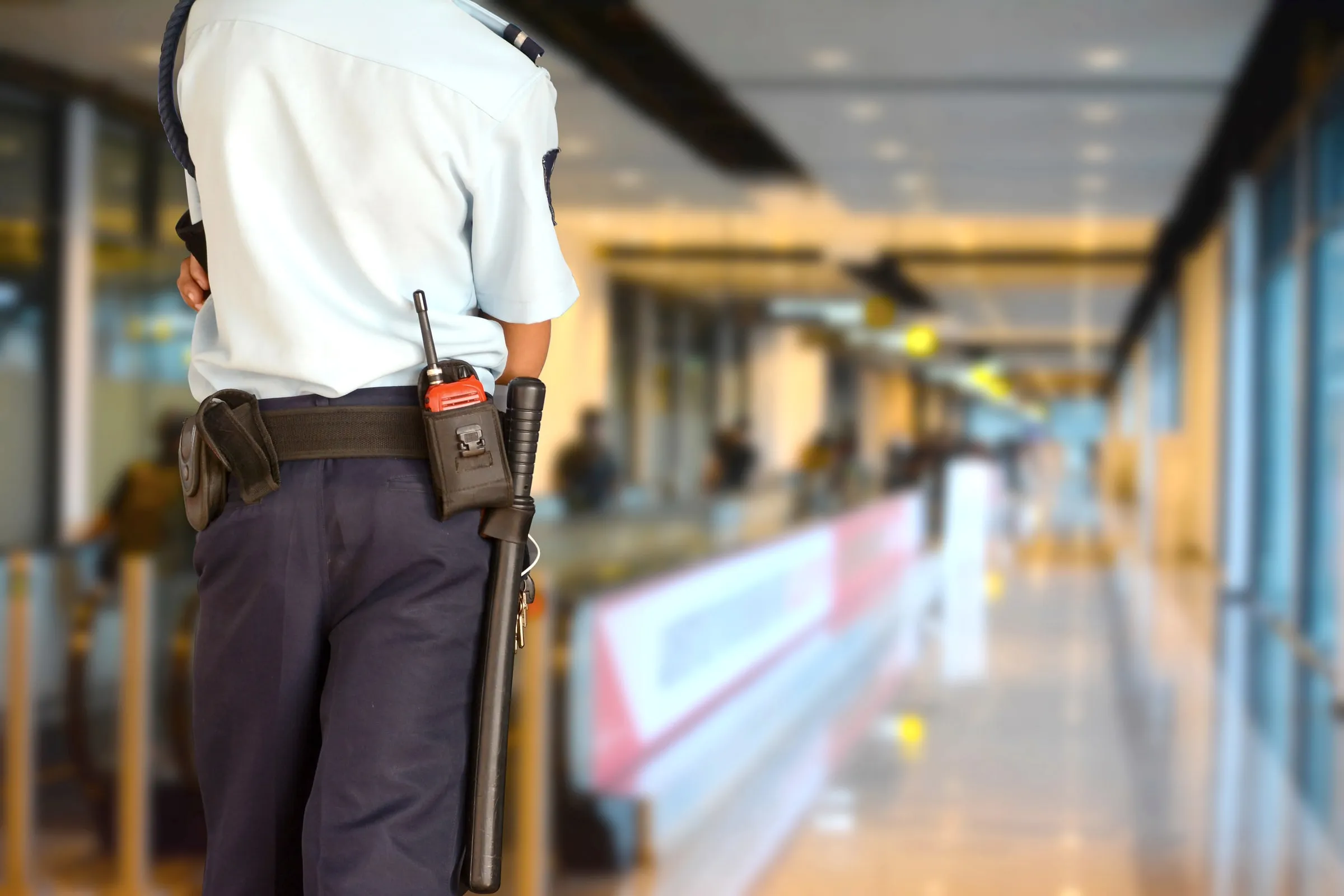
The officer arrives as the food truck parks and walks the deck and the clubhouse with the manager: the guest rule, the alcohol policy for tonight, the closing time, the DJ's cutoff. At the gate residents show fobs and guests are counted against the rule; a group of six for one resident is more than the rule allows and the resident chooses which two stay.
Through the evening the officer walks the deck and the lot alternately, asks for a glass bottle to be swapped for a cup, watches a group at the far end of the lot who turn out to be residents, and takes a report of a car door left open, whose owner is found on the deck. The DJ's cutoff is kept.
At the closing time the deck is cleared with the manager, the gate locked, the clubhouse checked, the lot walked as cars leave, and the officer stays until the manager's car is the last one. The report lists the guests refused, the bottle, the car door and the close.
Reporting
What the daily report covers here
Every client receives a written report each day, and officer performance is reviewed and documented daily. This is what the report records on this kind of post.
- Attendance flow at the gate and guests refused under the rule
- Rule contacts on the deck: glass, conduct, capacity, and the outcome
- Alcohol matters under the event's policy
- Lot rounds and vehicles or persons of interest
- Incidents, medical calls and lost children, with times
- Close: deck, gate, clubhouse, lot, staff departure
- Notes for the next event
How many officers does a resident event need?
Most events at a single amenity need one officer for the gate and the deck; larger events or those with alcohol and a big lot add a second, or keep the courtesy patrol on its route. The manager and the supervisor settle it from the plan.
Can the officer enforce the guest rule?
Yes, courteously, at the gate: residents by the community's method, guests by the rule the manager sets for the event, non-residents turned away and logged. The manager backs the rule and the officer applies it.
What about alcohol?
The manager sets the policy for the event and the post orders restate it: what is permitted, where, in what container, and what happens with an intoxicated guest. The officer applies it and logs contacts.
Can we book an officer for a holiday event with days' notice?
Usually. Dispatch takes the event details, the supervisor confirms the plan with the manager by phone or on site, and an unarmed officer is booked. Weekend and holiday dates fill, so earlier is better.
Does the officer stay until the end?
Through the close, until the amenity is secured and the staff have left. Events end late and the last hour is when coverage matters.
Related pages
Industries we serve
Service areas
Insights
Glossary
Request a proposal
Request a proposal for resident events.
Two short steps. Dispatch reviews every request and calls you back about coverage. For urgent unarmed coverage we can typically staff most sites within hours.
24-hour dispatch
(281) 326-9189