
Security Guards for Affordable and Tax-Credit Communities
Coverage that protects the residents who live there, treats them with respect, and gives the owner and the compliance file a written record.
Request a proposalThe situation
What affordable communities deal with
Non-residents using the property
The problem at most affordable communities is not the residents but the people who come onto the property because of them or in spite of them: a relative who has moved in without being on the lease, a group that gathers at the back stairwell, a dealer who works out of the parking lot. Residents are the ones most harmed by it, and the ones who call the office.
Lean staffing and a thin budget
A tax-credit community runs on an operating budget set by rents that do not rise with the market. The office closes at six, maintenance is one or two people, and nobody is on the property overnight. Security has to be priced by the hour that matters, not the whole night, and it has to earn its line in the budget.
Compliance has a security dimension
Household composition, unauthorized occupants, criminal activity on the property and the crime-free lease addendum all touch the compliance file. Investors, the state housing agency and the lender expect the owner to know what is happening on the property and to be able to show it in writing when a file is pulled.
Trust is the whole job
Residents in affordable communities include working families, seniors on fixed incomes and people who have had bad experiences with uniforms. A post that treats residents as suspects fails within a week. The officer has to be visible to the people who should not be there and welcome to the people who live there.
Protecting the people who live there
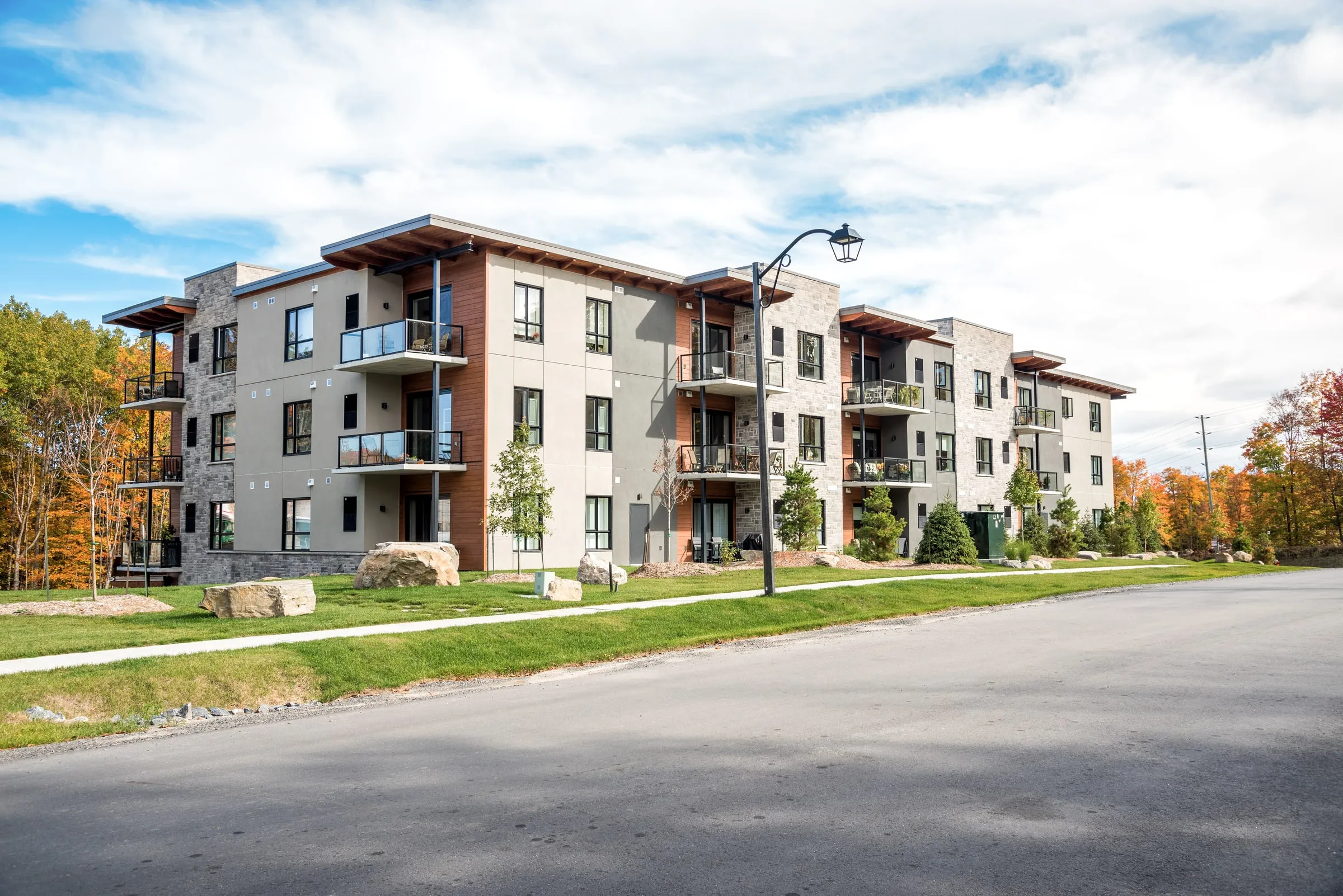
An affordable or tax-credit community is a working neighborhood on a single deed: families, seniors, night-shift workers and children who play in the lots between the buildings. The security problem at these communities is almost always brought in from outside, and the residents are the ones who pay for it, in cars broken into, stairwells they avoid and a playground they do not let their kids use after five. Price Protection sets these posts up around that fact. The officer’s job is to make the property a worse place to be for someone who has no business there and a better place to live for everyone who does, and the two goals are reached with the same tools: presence, conversation, consistency and a written record.
Houston’s affordable inventory sits across the whole region, from older garden communities in Alief and Southwest Houston to newer tax-credit developments in Pasadena, Missouri City, Humble and the north side, and includes senior tax-credit buildings, bond-financed rehabs and communities with a large share of voucher holders. The hours, the layout and the problems differ; the approach does not.
Post orders that protect residents and the file
Before the first shift a supervisor walks the property with the manager and, where there is one, the compliance officer. The post orders that come out of it record the community’s own rules, not a generic set: the common area rules in the lease, the visitor policy, the parking policy, the trespass list, the crime-free addendum language where the community uses one, and which vacant units are down and should show no activity. They name the manager’s escalation contacts and the police district, and they say what the officer records for the file: dates, times, descriptions and units, without opinions. A short section covers what the officer does not do. Officers do not ask residents about income, household size or immigration status, and do not enter units. Those are the manager’s matters, handled through the lease and the certification process.
Trespass, loitering and the law in plain terms
Most of the work on these posts is telling people who do not live there that they cannot stay. Under Texas Penal Code section 30.05, criminal trespass depends on notice, and notice can be given in person, so an officer telling someone to leave and recording it is the first step that makes a later police response possible. Officers give that notice politely, record it, and call police when it is ignored. They do not detain, search or use force beyond what chapter 9 of the Penal Code allows any private person for self-defense, and the post orders say so. This is a summary, not legal advice; the community’s attorney and the police decide how the community’s trespass policy is enforced. Our article on managing trespassing and loitering on multifamily property goes further.
What the manager sees each morning
The report arrives before the office opens with the night’s contacts on top: who was warned, where the group was, which unit the visitors went to, what police were called for and the report number. Compliance staff can pull it by date or by unit. Maintenance gets the lights and the fence gaps. The manager gets a pattern over a few weeks that a single complaint never gives, and that pattern is what supports a lease enforcement decision that will hold up.
Getting started
Dispatch needs the address and the number of buildings and units, the hours the manager wants to try first, whether the community has a working gate, the trespass list and the crime-free addendum if any, and who to walk the property with. Coverage is usually set as an evening block on the nights that need it and adjusted after the first month of reports. When a community needs someone on the property tonight, an unarmed officer can typically arrive within hours.
How we cover it
Every service, applied to this post.
- Unarmed security guards
The standard post is an unarmed officer on the hours the manager picks, most often evenings and part of the night, on foot through the breezeways and stairwells and in a vehicle across the lots. Officers assigned to affordable communities are chosen for temperament and trained in customer service and de-escalation.
- Vehicle patrol
Where a community has more than a few buildings or a long parking frontage, a marked vehicle makes the presence obvious from the street, which is where non-residents decide whether to come in. Rounds stop at the mail center, the laundry room, the playground and the back lots, in an order that changes each night.
- Access control
Many affordable communities have no gate; some have a gate that has not worked in years. The officer checks the pedestrian gates and fence line for openings, notes every vehicle that does not belong, and enforces the community's visitor policy where the post orders set one.
- Armed security guards
Where a community has a documented history of violence or weapons, the manager and dispatch may agree an armed Level III officer for a defined period, usually paired with an unarmed officer and always under post orders that put observation and calling police ahead of anything else.
- Incident reporting
The daily report is written with the compliance file in mind: trespass warnings with names where given and descriptions where not, loitering cleared and from where, suspected unauthorized occupants by unit with what was observed, police calls with the report number, and maintenance hazards. It is dated, signed and kept.
A typical post
What a shift looks like here.
The officer starts at the office before it closes, gets the list of units with active lease violations and the names on the trespass list, and drives the property while there is still daylight so residents see the vehicle and children in the lots see a familiar face. The first foot round covers the laundry room, the mail center and the playground.
After dark the rounds concentrate on the places the manager has flagged: the back stairwell where a group gathers, the lot where cars sit with engines running, the vacant unit that has had its lock changed twice. Non-residents are asked who they are visiting; a person on the trespass list is told to leave and police are called if they return. Every contact is written down with a time.
Toward the end of the shift the officer checks the fence line and the dumpster enclosure, notes lights that are out by building number, and finishes the report. Anything touching the compliance file, a suspected unauthorized occupant or a police report number, is flagged at the top so the manager can act on it that day.

Reporting
What the daily report covers here
Every client receives a written report each day, and officer performance is reviewed and documented daily. This is what the report records on this kind of post.
- Trespass warnings given, with the person's description and where on the property
- Groups asked to move on, from which building or lot, and whether they returned
- Suspected unauthorized occupants observed, by unit, with what was seen
- Police calls and report numbers, and what the officer told the responding unit
- Fence line, pedestrian gate and vacant unit checks with anything found open
- Resident contacts and requests, including escorts and welfare checks
- Lighting out and hazards, by building number, for the maintenance list
Questions
About affordable and tax-credit housing coverage.
Anything else? Call dispatch at (281) 326-9189.
Can a security post support a crime-free lease addendum?
Yes. The addendum only works when the manager can document what happened, when and who was involved. The officer's report supplies that: dated observations, trespass warnings, police report numbers and the units connected to them. Lease enforcement is the manager's decision; the officer provides the record.
How do you keep coverage within a tax-credit operating budget?
By staffing the hours that matter rather than every hour. Most affordable communities run an unarmed officer for an evening block, several nights a week, timed to the problems the manager describes, and adjust the schedule once the report shows what is happening and when. The proposal states the hours and the rate in writing before anything starts.
How do officers treat residents who are simply sitting outside?
As residents. The post orders describe the community's own rules on common areas, and the officer applies those, not a private standard. A resident on the stairs in the evening is greeted, not questioned. The officer's attention goes to people who cannot say who they are visiting and to conduct the lease prohibits.
Will the report help with our compliance file and inspections?
It is written to. Reports are dated, signed, kept, and organized so a compliance officer can pull the entries for a unit or a date range when a file is reviewed. Incident reports are separate documents that can be attached to a lease violation notice or a police report.
What is the officer's role with unauthorized occupants?
To observe and record, not to decide. If a person is seen coming and going from a unit at all hours over several weeks, the officer notes the dates, times and description and the manager takes it from there through the lease and the certification process. Officers do not enter units or confront anyone over occupancy.
Do officers work with the Houston Police Department at our property?
Officers call police for anything that needs enforcement and give the responding unit a clear account and a copy of the officer's report. Where a community has a trespass affidavit on file with police or a relationship with a district officer, the post orders record it so the officer knows what has already been agreed.
Related pages
Industries we serve
Service areas
Insights
Glossary
Request a proposal
Request a proposal for affordable and tax-credit housing.
Two short steps. Dispatch reviews every request and calls you back about coverage. For urgent unarmed coverage we can typically staff most sites within hours.
24-hour dispatch
(281) 326-9189