
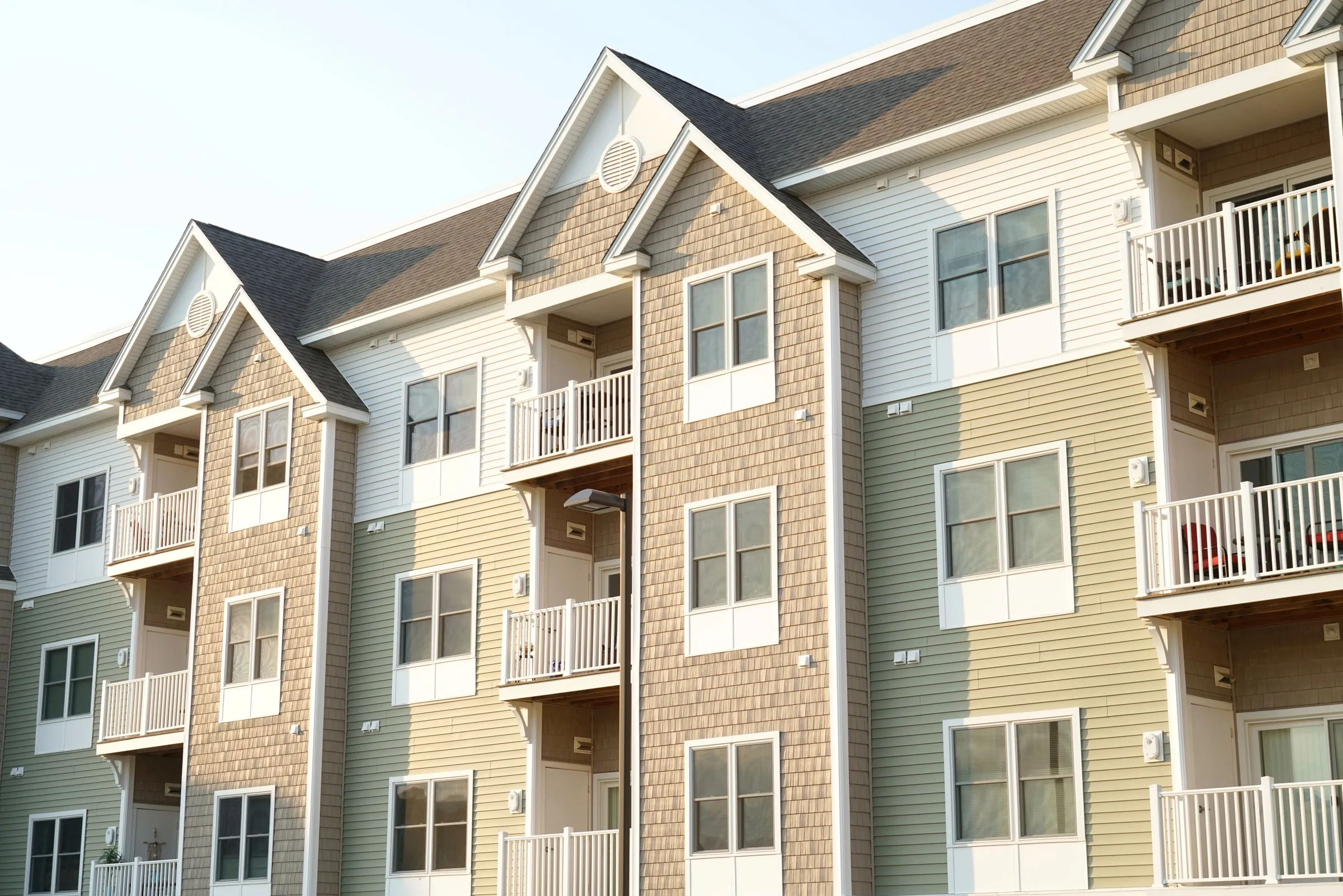
Security Guards for Senior Living Communities
Residents who need a familiar face at the door, families who need to know someone is awake at night, and a director who needs it written down.
Request a proposalThe situation
What senior living communities deal with
The entrance is the property
Senior communities have a front door that residents, families, home health aides, delivery drivers and vendors all use, often around the clock. The entrance is where scams, unwanted visitors and confused arrivals are caught or missed, and it is where residents want to see the same face each day.
Residents who go looking for something
Even in independent living, a resident with early memory loss can leave the building at night to find a car they no longer own or a home they no longer live in. Staff may be thin overnight, and a resident outside in Houston heat or a cold snap is an emergency within minutes.
Targets for fraud and theft
Older residents are approached by people selling roof repairs, collecting for charities that do not exist, or offering to help carry groceries into the unit. Inside, packages, purses and medications go missing when doors are left open for aides and cleaners.
Medical events after hours
Falls, chest pain and confusion happen at night. The community's staff may be one person for a hundred residents, and the first person a resident reaches by pull cord or phone may be the officer at the desk.
A different kind of post
Most security posts are about keeping people out. A senior living post is mostly about knowing who is in, which is a different skill and a different temperament. Price Protection staffs these communities with officers who can hold a conversation with a resident at the desk at eleven at night, recognize the aide who comes on Tuesdays, and notice that a resident who is always in the lobby at breakfast was not there today. The uniform and the presence deter the salesman and the opportunist; the manner is what the residents and their families judge.
The entrance after the office closes
During the day the community’s own staff run the front desk. After hours the officer does, and the rules do not change. Visitors sign in and say who they are seeing. Home health aides and cleaners are checked against the list the director maintains, because an aide who has been dismissed by a family is still known to the building’s residents. Deliveries go to the package room or are carried to the door by the officer rather than by the driver. Anyone selling anything is turned away at the entrance, politely and every time, and the visit is recorded so the director can warn residents about a repeat caller.
Nights, exits and the building’s own systems
Overnight rounds follow a set interval through corridors, common rooms and exits. Fire doors are checked closed and exit alarms checked armed, because both are what stops a wandering resident from leaving the building unnoticed. Where the community has cameras, the officer watches the exits and the parking lot from the desk between rounds. When the staff on duty need a second pair of hands for a fall or a resident who is unwell, the officer is that pair of hands, calls EMS when the post orders or the nurse say to, and stays until the situation is handed over.
Working with the director
Everything the officer does overnight is in the daily report, in the order it happened, with times. Directors use it to answer families, to brief the day staff and to support reviews. Post orders are written with the director before the first shift and revised whenever the resident population, the vendor list or the community’s procedures change. To start coverage, dispatch needs the address and the type of community, the hours, the vendor and aide lists, the staff on duty overnight and their numbers, and the director’s escalation contacts; unarmed coverage can typically start within hours.
How we cover it
Every service, applied to this post.
- Unarmed security guards
A senior community post is unarmed and staffed by officers chosen for patience and manner. The uniform is visible enough to reassure and never intimidating. The post is usually the front entrance in the evening and overnight, with rounds through the building and the grounds.
- Access control
The officer greets and signs in every visitor after the office closes, checks that aides and vendors are on the approved list the director keeps, and turns away solicitors before they reach a resident's door. Residents do not sign in; they are recognized.
- Vehicle patrol
Communities with cottages, a large campus or surface parking add a vehicle round to cover the perimeter, the parking areas and the walking paths, and to look for a resident who has gone outside. On a small building, foot rounds are enough.
- Camera monitoring
Where the community has cameras on exits and corridors, the officer watches them from the desk between rounds. An exit door alarm or a resident on camera in the parking lot at three in the morning gets a response in the time it takes to walk there.
- Incident reporting
The daily report records visitors and vendors admitted, welfare checks and medical calls with the time EMS was called, residents assisted, exit alarms, and every round. Directors use it for family questions and for state or corporate reviews.
A typical post
What a shift looks like here.
The officer takes the desk as the office staff leave, reviews the day's notes and the list of residents who are away or in hospital, and greets residents coming back from dinner or the evening activity by name where they know them. Evening visitors sign in, aides show their badge, and a delivery driver is walked to the package room rather than sent upstairs.
Overnight the officer walks the corridors and the exits on a set interval, checks that fire doors are closed and exit alarms armed, and responds to any pull cord or call the staff on duty ask for help with. A resident found in the lobby at two in the morning is walked back with a conversation, not a correction, and the night nurse or the on-call director is told.
Before dawn the officer checks the parking areas and the walking paths, unlocks what the post orders say opens early, hands over to the morning receptionist with anything the day staff should know, and finishes the report so the director reads it with the first coffee.

Reporting
What the daily report covers here
Every client receives a written report each day, and officer performance is reviewed and documented daily. This is what the report records on this kind of post.
- Visitors, aides, vendors and deliveries admitted after hours, with times
- Solicitors and unwanted visitors turned away at the entrance
- Welfare checks requested and completed, with the outcome
- Medical calls, with the time EMS was notified and who was informed
- Residents assisted or walked back to their unit overnight
- Exit door alarms and fire doors found open on rounds
- Corridor, grounds and parking rounds with the times
Are your officers trained to work with older residents?
Officers on senior community posts are selected for manner and trained in customer service, first aid and de-escalation. The post orders explain the community's resident population, the residents who need extra attention and the procedures the director wants followed, so the officer knows the building before the first shift.
Can the officer do welfare checks?
Yes, where the director includes them in the post orders. The officer knocks, confirms the resident is well, notifies the staff on duty, and records the check with the time. Entry into a unit follows the community's own procedure, usually with a staff member.
What does the officer do if a resident wanders outside?
Finds them, stays with them, brings them back inside safely and notifies the nurse or the on-call director, then records the event. If the resident cannot be found on the property within the time the post orders set, the officer calls police and the director.
Can we have the same officer every night?
Dispatch assigns a small, consistent group to a senior community so residents see faces they know. Performance on every shift is reviewed against the daily report.
Is an armed officer ever appropriate here?
Rarely. A senior community post is about presence, access and response, and an unarmed officer provides all three. Where a specific threat exists, the director and dispatch discuss it and the post orders say what changes.
Related pages
Industries we serve
Service areas
Insights
Glossary
Request a proposal
Request a proposal for senior living.
Two short steps. Dispatch reviews every request and calls you back about coverage. For urgent unarmed coverage we can typically staff most sites within hours.
24-hour dispatch
(281) 326-9189