
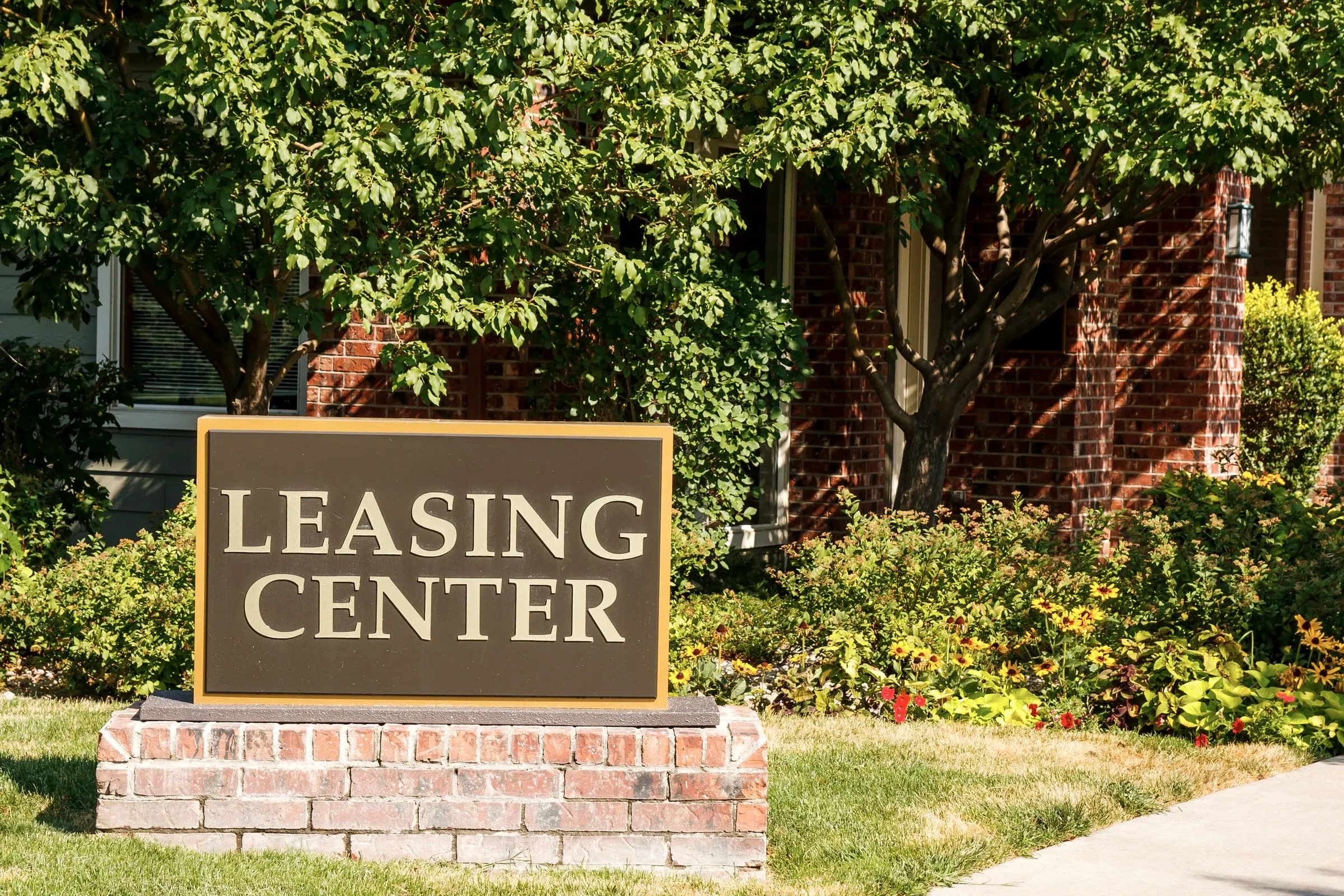
Security for Apartment Leasing Offices
An officer in or near the leasing office for the hours the staff are worried about, so a difficult conversation stays a conversation.
Request a proposalThe situation
What a leasing office deals with
The conversation at the counter
Late rent, a notice to vacate, a denied application, a deposit dispute. The leasing office is where residents come to be angry, and the staff behind the counter are leasing agents, often alone.
Keys, cash and the model
The office holds keys to every unit, money orders and checks, resident files and the model unit's furnishings. It is the most valuable room on the property and the most visited.
Tours with strangers
Leasing agents walk prospects into vacant units alone, all day, on the strength of an ID. Most are prospects; the staff worry about the ones who are not.
After a specific incident
A threat by a resident, an eviction that turned ugly, a break-in at the office. The staff do not want to come to work, and the manager needs a presence for a period, not forever.
The most visited room on the property
The leasing office holds the keys to every unit, the money, the files and the model, and it is where residents come when they are angry. The staff behind the counter are leasing agents, often alone, serving notices and denying applications. Price Protection’s office post puts an officer in or near the office for the hours the manager chooses, present at the counter during the conversations the staff dread, escorting tours where the manager wants it and checking the office at close.
The difficult conversation
Late rent, a notice, a denied application, a deposit dispute. The officer’s job is to be there so the conversation stays one: standing when the resident arrives, greeting by name where the name is known, staying at the counter while the manager speaks, and calling the police only if there is a threat. Residents under a no-contact instruction are recognized at the door and handled as the manager directs. Officers are trained in de-escalation and the post orders keep observe-and-report the default. After the visit the officer logs how it ended, so the manager has a record if the resident’s file needs it later.
Tours, keys and the close
Leasing agents walk strangers into vacant units all day. Where the manager wants it, the officer walks with the agent, particularly to the buildings the staff prefer not to walk alone. The key cabinet and the back office are kept to staff, cash handling is watched, and at close the officer checks the model unit, the alarm and the cabinet and walks the staff to their cars.
For a period, or for the hours that matter
Many offices book coverage for a period after a specific incident, two weeks or a month after a threat or a break-in, and some keep it for the days notices are served. Others cover the office through the busy season. Where the property runs a courtesy patrol, the office post coordinates with it under the same post orders.
Starting coverage
Dispatch needs the office’s address and hours, the reason for the coverage, the period wanted, any no-contact residents and the manager’s number. An unarmed officer can typically be at the office within hours; the supervisor walks the office with the manager, writes the post orders and the coverage runs for the agreed period.
How we cover it
Every service, applied to this post.
- Unarmed security guards
An unarmed officer in or near the leasing office during business hours or the hours the manager chooses, greeting visitors, present at the counter during difficult conversations, escorting tours where the manager wants it and checking the model and the office at close.
- Armed security guards
Where a specific threat has been made, a commissioned officer works the office for the period the manager chooses under post orders that keep observe-and-report the default, positioned so the staff feel it and the residents barely notice it.
- Access control
Visitors signed in where the office uses it, the key cabinet and the back office kept to staff, and the residents who are on a no-contact list under a court order or the manager's decision recognized and handled as the post orders direct.
- Camera monitoring
The office's cameras and the community's gate cameras watched from the office between visitors, with clips pulled for the manager after an incident.
- Incident reporting
A daily report to the manager: visitors, difficult contacts and how they resolved, tours escorted, key cabinet and office checks, after-hours access, and anything the staff asked the officer to watch for.
A typical post
What a shift looks like here.
The officer opens with the manager: two notices being served today, a resident who threatened an agent last week and is under a no-contact instruction, a prospect tour at ten in a building the agents do not like walking alone. The officer greets visitors from a chair near the counter and walks the tour with the agent.
At noon the resident from last week comes in; the officer stands, greets him by name, and stays at the counter while the manager speaks to him. The conversation ends with the resident leaving. A man asking for a unit number for a friend is not given it, per the post orders, and it is logged.
At close the officer checks the key cabinet is locked, the model unit is secured, the back office alarm is set and walks the staff to their cars. The report lists the visitors, the resident's visit and how it ended, the tour and the close.
Reporting
What the daily report covers here
Every client receives a written report each day, and officer performance is reviewed and documented daily. This is what the report records on this kind of post.
- Visitors of note and the reason for the visit
- Difficult contacts at the counter: who, why, how it resolved
- No-contact residents seen or admitted, and what was done
- Tours escorted, with the building and unit
- Key cabinet, cash handling and back office checks
- Close: model unit, alarm, staff escorted to cars
- Camera observations acted on
Can we book an officer for a period after an incident?
Yes. Many offices book an officer for two weeks or a month after a threat or a break-in, and some keep the coverage for the hours notices are served. The proposal prices the period and it can be extended.
Will an officer in the office put off prospects?
A courteous officer near the counter reads as a well-run property. The officer greets prospects, and most take it as a sign the community is looked after.
How does the officer handle a resident under a no-contact instruction?
By the post orders: recognized at the door, the manager told, the resident dealt with as the manager directs, and the police called if the resident becomes threatening. The officer does not enforce a court order; the police do.
Does the officer escort tours?
Where the manager wants it, yes: walking with the agent to the unit and back, particularly to buildings the staff prefer not to walk alone or when the prospect gives the agent cause for concern.
Can the same officer also patrol the community?
Where the property has a courtesy patrol, the office post is often the same company and the post orders coordinate the two. The office post's hours are the office's; the patrol's are the property's.
Related pages
Industries we serve
Service areas
Insights
Glossary
Request a proposal
Request a proposal for leasing offices.
Two short steps. Dispatch reviews every request and calls you back about coverage. For urgent unarmed coverage we can typically staff most sites within hours.
24-hour dispatch
(281) 326-9189