
Operations and reporting
What Security Guards Do When Cameras Go Down
By Price Protection SecurityReviewed TX DPS Lic #B09430601
Short answer
When a property's cameras go down, from a power outage, a network failure or a hardware fault, the officer does not wait for a repair. Post orders direct the officer to shorten the patrol interval and add rounds through the areas the cameras normally covered, log the outage with the time it was noticed, and notify the client or dispatch so a technician can be called. Coverage continues on foot or by vehicle.
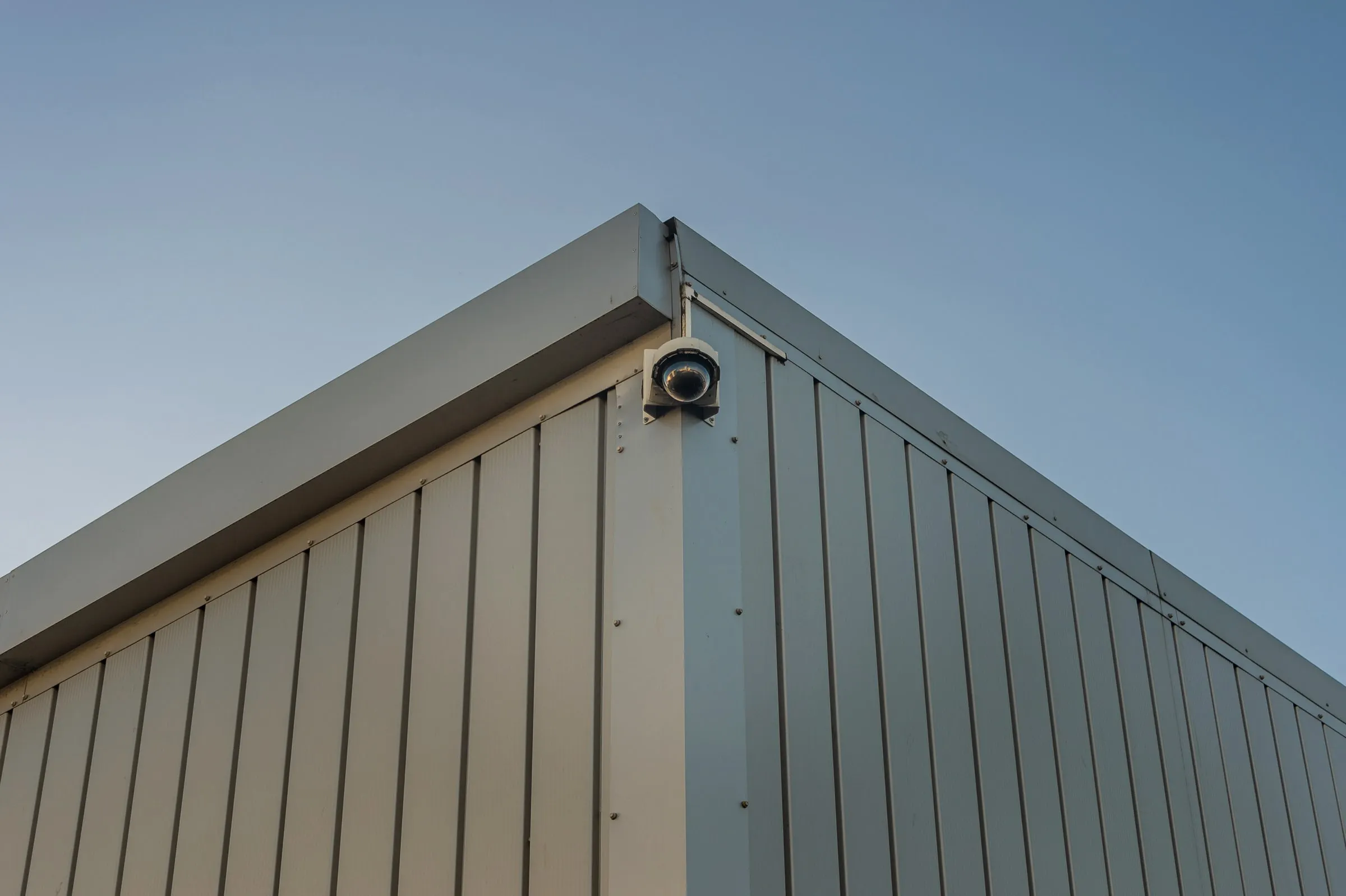
The response is more rounds, not a pause in coverage
A camera outage does not mean a property goes unwatched; it means the property goes back to being watched the way it was before cameras were added, by a person walking or driving through it. Post orders for a post that includes camera monitoring specify exactly this: when the system is down, the officer shortens the patrol interval and adds rounds through whatever areas the cameras normally covered, so the gap left by the screen is filled by more frequent physical checks rather than left open. A property that relied on cameras for a corner of the lot the vehicle route did not usually reach closely gets that corner added to the round until the system is restored.
Why outages happen, and why the cause barely changes the officer’s job
Cameras go down for a handful of reasons: a power outage, common during a storm or a grid issue; a network failure, where the cameras are still recording locally but the live feed the officer relies on is unreachable; or a hardware fault in a single camera or the recorder itself. From the officer’s side, the response is almost identical regardless of cause, because the officer is not the one diagnosing or fixing the system. What changes is what gets reported: a storm-related power outage is noted alongside the storm itself and likely other systems affected, such as gates and lighting, while a single camera going dark on an otherwise normal night is reported as an isolated equipment issue for the property to have serviced.
What gets logged the moment an outage is noticed
The outage itself becomes a report entry with a time: which cameras or how much of the system is affected, when it was first noticed, and what the officer did in response. This is not a minor note buried in the daily report; a camera outage is exactly the kind of fact a property manager needs to know quickly, both because it changes what security the property actually has at that moment and because some outages, particularly anything tied to a fire alarm or access control integration, may need to be reported further, following the same escalation the post orders set for other system failures.
Comparing how the response differs by cause
| Cause of outage | What typically still works | How the officer’s rounds adjust |
|---|---|---|
| Power outage (storm, grid issue) | Little to nothing; other systems (gates, lighting) often affected too | Rounds increase across the whole affected area, not just camera coverage |
| Network failure | Cameras may still record locally without a live feed | Rounds increase specifically where live monitoring was relied on |
| Single camera or hardware fault | The rest of the system is unaffected | Rounds increase only at that one location |
Notifying the client and getting the system fixed
The officer is not expected to repair a camera system, but the officer is the first person to notice most outages and the one who starts the process of fixing it. Post orders set who the officer calls: usually the client contact directly for a single camera issue, or dispatch first for anything larger, such as a full system or power outage, so a supervisor is aware and can help the client coordinate a technician if needed. Where the outage is part of a larger event, a storm, a building-wide power loss, it is folded into that event’s reporting rather than treated as a separate issue competing for attention.
What changes about the officer’s own habits during an outage
Some officers use cameras as a second set of eyes on a spot they cannot watch directly while doing something else, checking a monitor before walking into a blind corner, for instance. When that tool is unavailable, post orders may call for extra caution in exactly those spots: approaching slowly, using a flashlight more deliberately, or, on some posts, working a specific area with a second officer until the camera is back. This is a small adjustment on most properties but a meaningful one on a post where the cameras covered a genuinely higher-risk area, such as a parking structure with a history of break-ins.
A drawn-out repair changes the plan, not just the first night
Most outages are resolved in a day or two, and the increased-rounds response covers that window without much adjustment. A repair that stretches into weeks, waiting on a part, a vendor’s schedule, or a larger rewiring project, calls for a different conversation. At that point the temporary increase in rounds may not be enough on its own if the affected area was genuinely high-risk, and a supervisor will usually raise the option of a longer-term fix with the client directly: added hours on the post, a second officer for the affected zone, or simply accepting the adjusted rounds as the standing plan until the system is back. This is decided with the client rather than assumed, since it usually changes what the post costs to run.
Restoring the system and closing the loop
Once the camera system is repaired, that gets logged too, with the time coverage returned to normal, and the officer’s rounds return to their standard interval. A pattern of repeated outages at the same camera or the same time of day is worth flagging in the report separately from any single incident, since it points to an equipment or connectivity problem the property needs to fix rather than a one-time event. The live response versus recorded footage article covers what the cameras are doing on a normal night, and the camera monitoring guards page describes how monitoring fits into the rest of the post.
Questions
Related questions
How does the officer know the cameras are down if nobody is watching them?
Most systems the officer checks periodically even during quiet stretches, and a loss of signal or a frozen feed is usually obvious the next time the monitor is checked. Some properties also have an alert that flags an outage automatically.
Does an outage change the officer's own safety procedures?
It can. Where a dark corner was normally covered by a camera the officer relied on for a second set of eyes, post orders may call for that area to be checked in pairs or with extra caution until the camera is restored.
Who is responsible for fixing the camera system?
The property, since it owns and maintains the system. The officer's job is to notice the outage, report it clearly enough that the right vendor can be called, and adjust rounds until the system is back up.
Does an outage during an incident affect the incident report?
Yes, and the report says so directly: the incident is described from what the officer observed rather than citing camera footage that does not exist, and the outage itself is noted as a fact relevant to the record.
Related pages
Services
Insights
Glossary
Request a proposal
Request a proposal for your property.
Two short steps. Dispatch reviews every request and calls you back about coverage. For urgent unarmed coverage we can typically staff most sites within hours.
24-hour dispatch
(281) 326-9189