
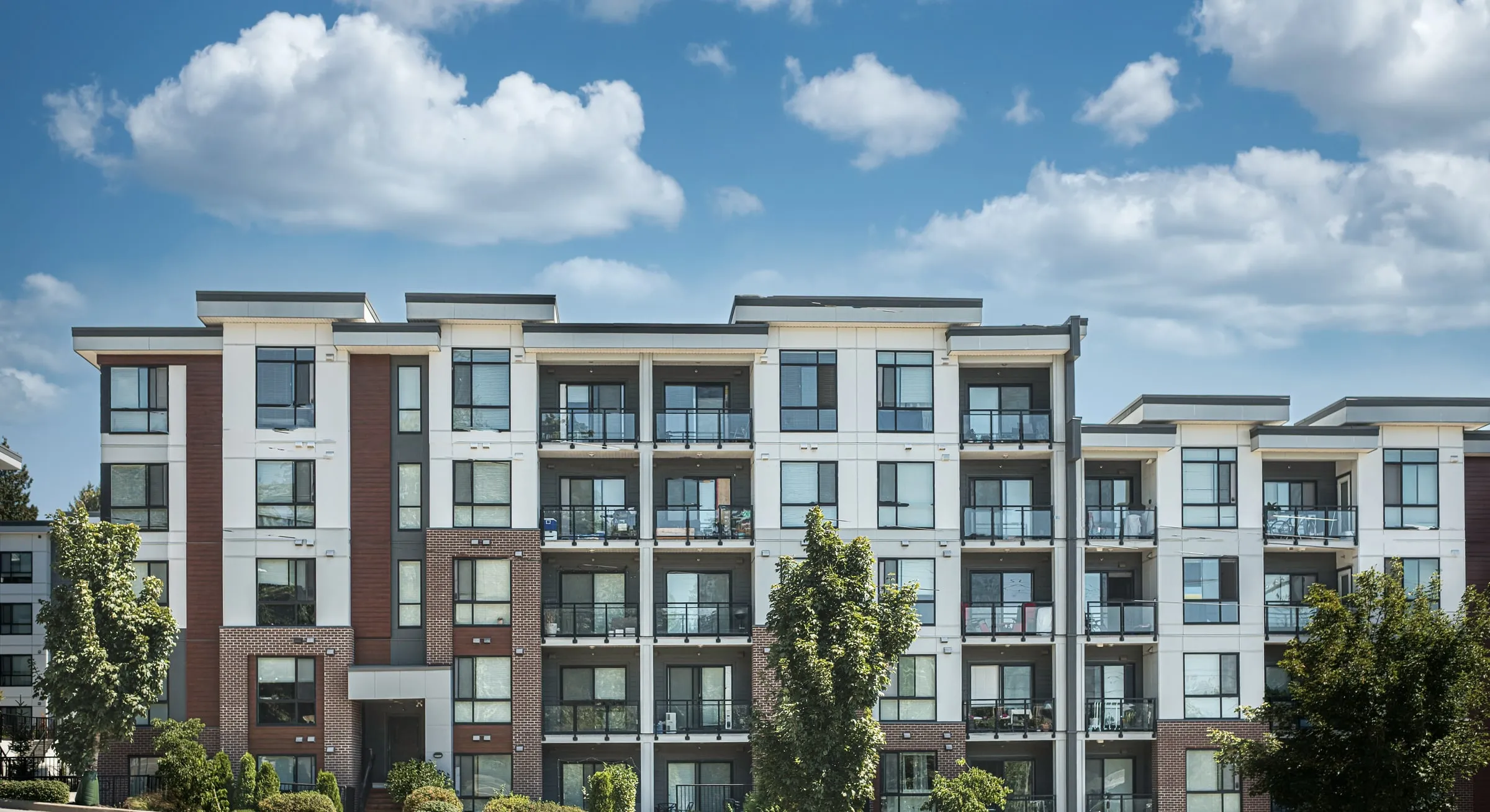
Security Guards for Condominium Associations
A door, a garage and a building full of owners: we staff the post, control who comes in and report to the board every morning.
Request a proposalThe situation
What a condominium building deals with at the door
The door is open when nobody is at it
A fob door held for a stranger, a mover propping the loading entrance, a resident's guest let in behind a neighbor. A building with dozens or hundreds of owners has that many people who will hold a door, and the lobby is where it happens.
The garage
A condominium garage is entered by a gate that closes slowly and exited by anyone on foot. Cars are broken into, bicycles disappear from the cage, storage lockers are opened. The cameras record it and nobody sees it until the owner does.
Contractors and movers every week
Renovations, deliveries, moves in and out, cable technicians, the association's own vendors. Each needs the elevator padded, the loading dock booked and the hours kept, and each is a stranger with access to the corridors.
Owners who expect service
Owners pay the association directly and want the door to feel like a lobby, not a checkpoint. The post has to be courteous, quick and consistent, or the board hears about it at the meeting.
The lobby is the boundary
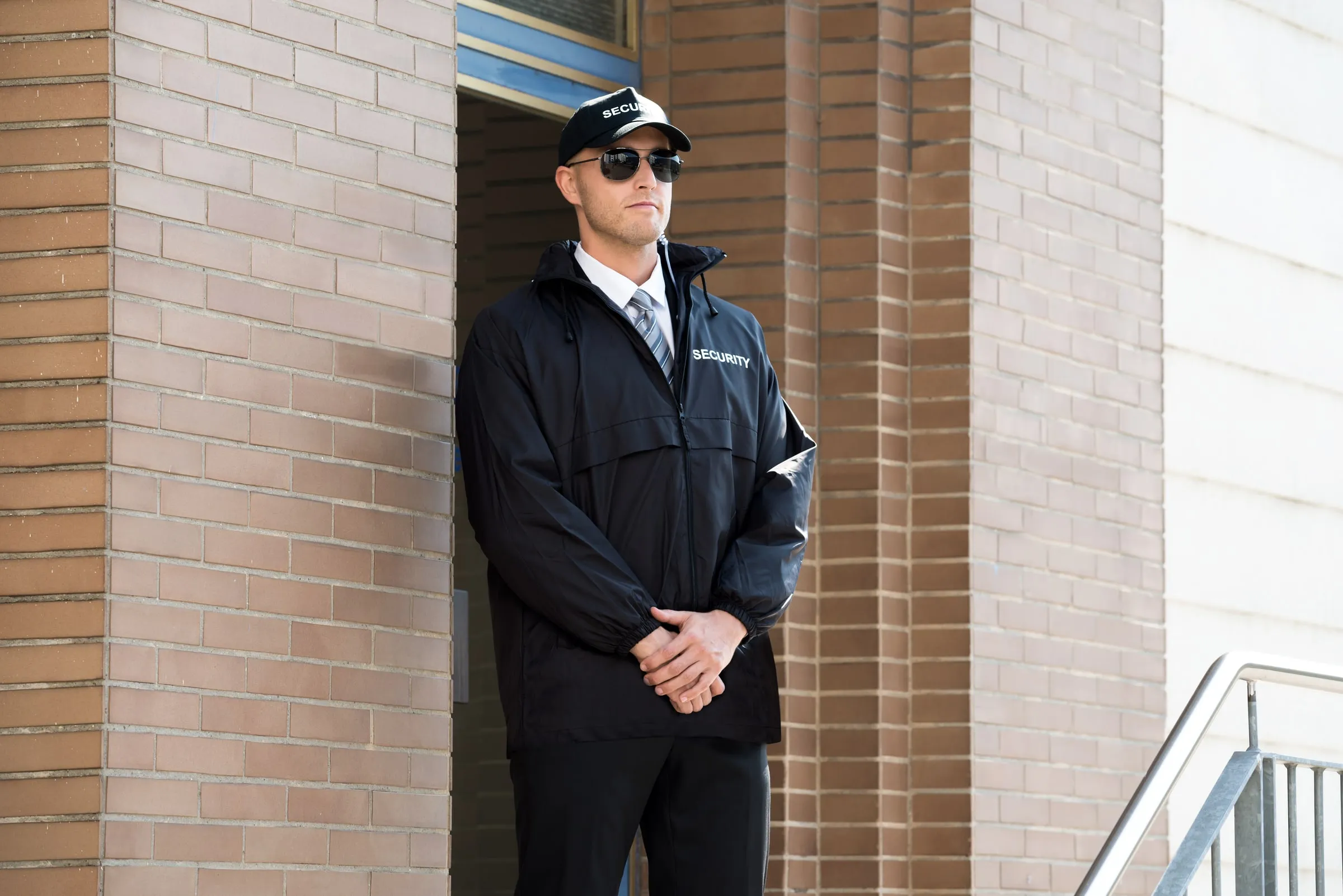
A condominium is an apartment building owned by its residents, and the difference shows at the door. Owners want the lobby to feel like theirs, the board answers to them directly, and the same door has to keep out the person who follows an owner in. Price Protection staffs the post as security with the manners of a front desk: every resident greeted, every guest checked, every contractor by the schedule, and the building walked between arrivals.
The post orders are built from the building’s own rules and systems: the resident list and the fob system, the guest authorization method the building uses, the contractor and move schedule, the amenity hours, the package policy, the fire plan and the manager’s after-hours number. They say who may authorize a guest, what the officer does when a resident does not answer, how a mover is handled at the dock, and what is logged.
Garage, amenity floor and corridors
The rounds cover what the desk cannot see. Garage levels are walked with attention to the storage cages, the bicycle room and the pedestrian doors that get propped; the amenity floor is closed at the posted hour and the pool gate locked; the corridors and the stairs are checked for doors held open and for anything that belongs to a contractor who has left. Cameras are the officer’s second set of eyes between rounds, and what a camera shows is walked to, not just noted.
Working with the manager and the board
The daily report is what the manager needs to answer owners: who was admitted to the seventh floor at six, which door was propped, what the movers did at the dock. The board sees the month’s pattern at the review: shared fobs, the garage door that fails, the guest policy that owners keep testing. Price Protection’s supervisor attends, adjusts the post orders and keeps the same small group of officers on the building so owners know them.
Starting a post
Dispatch needs the building’s address and layout, the hours wanted, the resident and fob system, the guest authorization method, the contractor schedule, the amenity hours, the package policy, the fire plan and the manager’s after-hours number. The supervisor walks the building with the manager, writes the post orders and starts the post on the agreed day. A building whose previous arrangement has ended can generally have an unarmed officer at the door within hours.
How we cover it
Every service, applied to this post.
- Unarmed security guards
An unarmed officer at the lobby or door for the hours the board chooses: greeting residents, checking guests against the resident's authorization, admitting contractors and movers by the schedule, holding packages where the building wants them held, and walking the building on rounds between arrivals.
- Access control
Fobs, the resident list, the guest authorization system and the contractor schedule are the tools. The officer admits, logs and refuses by the post orders, and reports fobs that are being shared and doors that are being propped.
- Camera monitoring
The association's cameras in the garage, the elevators, the corridors and the amenity floor are watched from the desk between arrivals, and the officer walks to what the camera shows. Clips are pulled for the manager on request.
- Vehicle patrol
Where the building's garage is large or detached, or where the board wants overnight coverage without a lobby post, a patrol checks the garage levels, the gates, the storage cages and the loading area on foot on a written round.
- Incident reporting
The daily report lists guests and contractors admitted, doors found propped, garage and amenity incidents, packages handled, rule matters and maintenance issues seen on the round, and reaches the manager before the office opens.
A typical post
What a shift looks like here.
The evening officer takes the desk from the day porter with the contractor schedule: a kitchen renovation on the seventh floor finishing at six, a move-out booked for the loading dock at seven. Residents come home; guests are checked against the authorizations; a food delivery is held at the desk and the resident called down, because that is what the building decided.
The movers finish and the officer checks the elevator pads and the dock door and logs the time. A round of the building follows: the amenity floor closed at the posted hour, the pool gate locked, the garage levels walked with attention to the storage cages and the pedestrian doors, one of which is found propped with a wedge and cleared. Cameras are watched between the round and the next arrival.
Overnight the arrivals slow. A person without a fob asking to be let in to visit a friend is asked for the unit; the resident does not answer; the person is courteously refused and it is logged. The report is written for the manager: admitted, refused, the propped door, the movers, the amenity closing.
Reporting
What the daily report covers here
Every client receives a written report each day, and officer performance is reviewed and documented daily. This is what the report records on this kind of post.
- Guests admitted by resident authorization and guests refused, with times
- Contractors and movers admitted, with the unit, the hours and the dock or elevator used
- Doors found propped or held, and fobs reported as shared
- Garage rounds: levels walked, cages and pedestrian doors checked, incidents
- Amenity closings and rule matters
- Packages and deliveries handled per the building's policy
- Maintenance issues noticed on the round: lights, doors, leaks, elevators
Is this a concierge or a security post?
The board decides how much of each. Price Protection staffs the post as security with a courteous front: greeting, guest checks, contractor control, rounds and reporting. Buildings that want package handling or dry-cleaning logs add those duties to the post orders.
What hours do condominium boards usually buy?
Many buildings run a day porter and add security from the evening through the early morning, or around the clock in a high-rise. The proposal prices the hours the board chooses.
How are contractors handled?
By the schedule the manager keeps: name, unit, hours, dock and elevator booking, certificate on file if the building requires it. Contractors outside the schedule are refused and the manager is told.
Can the officer enforce our rules with owners?
The officer applies the rules in the post orders courteously and logs the matter. Enforcement against an owner is the board's, through the manager, from the log.
What happens with a fire alarm?
The post orders follow the building's fire plan: the officer calls 911 if the monitoring company has not, meets the fire department at the panel, and assists with evacuation as the plan directs. Officers are trained in fire safety.
Related pages
Industries we serve
Service areas
Insights
Glossary
Request a proposal
Request a proposal for condominium associations.
Two short steps. Dispatch reviews every request and calls you back about coverage. For urgent unarmed coverage we can typically staff most sites within hours.
24-hour dispatch
(281) 326-9189