
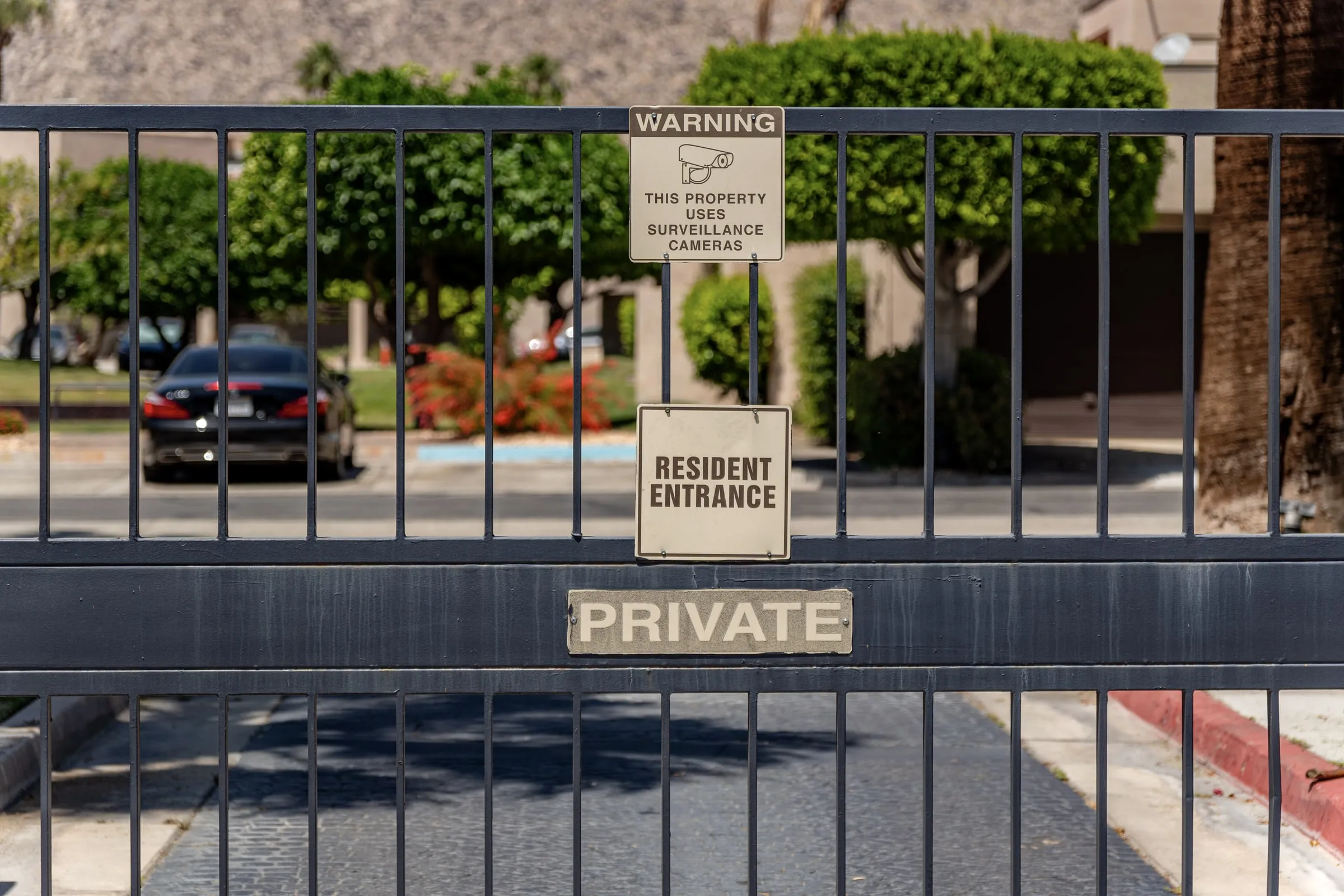
Guardhouse Security for Gated Communities
A staffed guardhouse turns a gate from a code everyone knows into an entrance somebody checks. We work the window, the lanes and the log.
Request a proposalThe situation
What a gated community deals with at the entrance
The code is public
A gate code given to a landscaper in March is known to every trade in the area by June, and a decal on a resold car opens the resident lane for whoever bought it. Without a person at the window, the gate controls nobody who wants in badly enough to ask around.
Tailgating through the resident lane
The arm goes up for a decal and the second car follows before it comes down. Residents wave friends through behind them. None of those entries is logged, and when a homeowner asks who was on the street at two in the morning the honest answer is that nobody knows.
Contractors, deliveries and ride-shares all day
Roofers, pool techs, movers, food delivery, package vans and ride-share drivers arrive in a steady stream and each expects a quick answer. A visitor lane with no officer either backs up onto the feeder road or gets opened by the first resident tired of the honking.
The gate fails, and then it stays open
Arms get hit, loops fail, the operator loses power in a storm and the gate is chained open until a technician comes. A guardhouse post is the one part of the entrance that keeps working when the hardware does not.
The window is the post
A staffed gate is a static post, and the entrance is the entire job. The guardhouse sits on the median with the resident lane on one side and the visitor lane on the other, and the officer’s value is measured in what happens at the window: a car stops, a name is checked, a plate is written down, an arm goes up or a car turns around. Price Protection sets the post up so the officer is at the window when a vehicle arrives, not behind tinted glass with a phone.
The post orders record the association’s gate policy exactly as the governing documents state it. They say how residents are identified, who may add a visitor and by what means, whether a call, a portal or a note left at the gate, which hours contractors may enter, how realtors and open houses are handled, who is on the standing list for utilities, the mail carrier and the trash contractor, and what the association wants done with a driver who cannot be verified. An officer who has read them can answer a resident’s question about a refusal the same way the manager would.
What the association provides
A guardhouse post is only as good as the lists behind it. Dispatch asks the manager for a current resident list with decal or transponder records, the standing visitor list, the daily list procedure, the gate company’s after-hours number, an after-hours line for the manager and the login for any gate camera or plate reader the association owns. It also asks about the guardhouse itself: lighting at the window, a stop bar, a working phone and signage that tells a visitor which lane to use. Where the schedule leaves the gate unstaffed for part of the day, the post orders say which code goes on the keypad, who changes it and how often, so a coded hour is still a controlled one.
Fire, EMS and the storm
Emergency vehicles are admitted immediately and the entry is logged; the arrangement the association has made with the fire department, whether a key box, a siren-activated opener or a code on file, is written into the post orders so no officer has to guess at it. When a storm takes the power, the operator goes to the state the association chose, open or secured, and the officer stays at the window checking vehicles by hand until service is restored. Hurricane season is June through November in Houston, and the section of the post orders that covers it is reviewed with the manager before it starts.
Working with the manager
Almost every complaint a gated community’s manager receives is about the gate: a contractor turned away, a guest kept waiting, a car that got in. The log is the answer to each one, with the time, the plate and the reason, and the manager can reply from it rather than from a resident’s account. Over a season the record of faults tells the board how much the gate hardware is costing and whether the operator or the arm should be replaced. The same small group of officers works the post so residents recognize them and the officers learn who lives where, and every shift is reviewed against the log the next day.
Starting a guardhouse post
To begin, dispatch needs the address and the layout of the entrance, the hours wanted, the resident and visitor lists, the contractor hours from the governing documents, the gate company’s contact and the manager’s after-hours number. When a gate has failed or a previous arrangement has ended, an unarmed officer can generally take the window within hours, and the post orders are tightened over the first week as the officers learn the community’s traffic.
How we cover it
Every service, applied to this post.
- Unarmed security guards
The guardhouse is a static unarmed post, staffed for the hours the board chooses, most often from late afternoon through the night or around the clock. The officer works the window, the visitor lane and the log, and steps out to the resident lane when a car is waiting behind a stalled arm.
- Access control
Residents are recognized by decal, transponder or the resident list. Visitors are checked against the standing and daily lists the association keeps, or the homeowner is called, and the name, the plate and the time go in the log. Contractors are admitted in the hours the governing documents allow and logged out when they leave.
- Camera monitoring
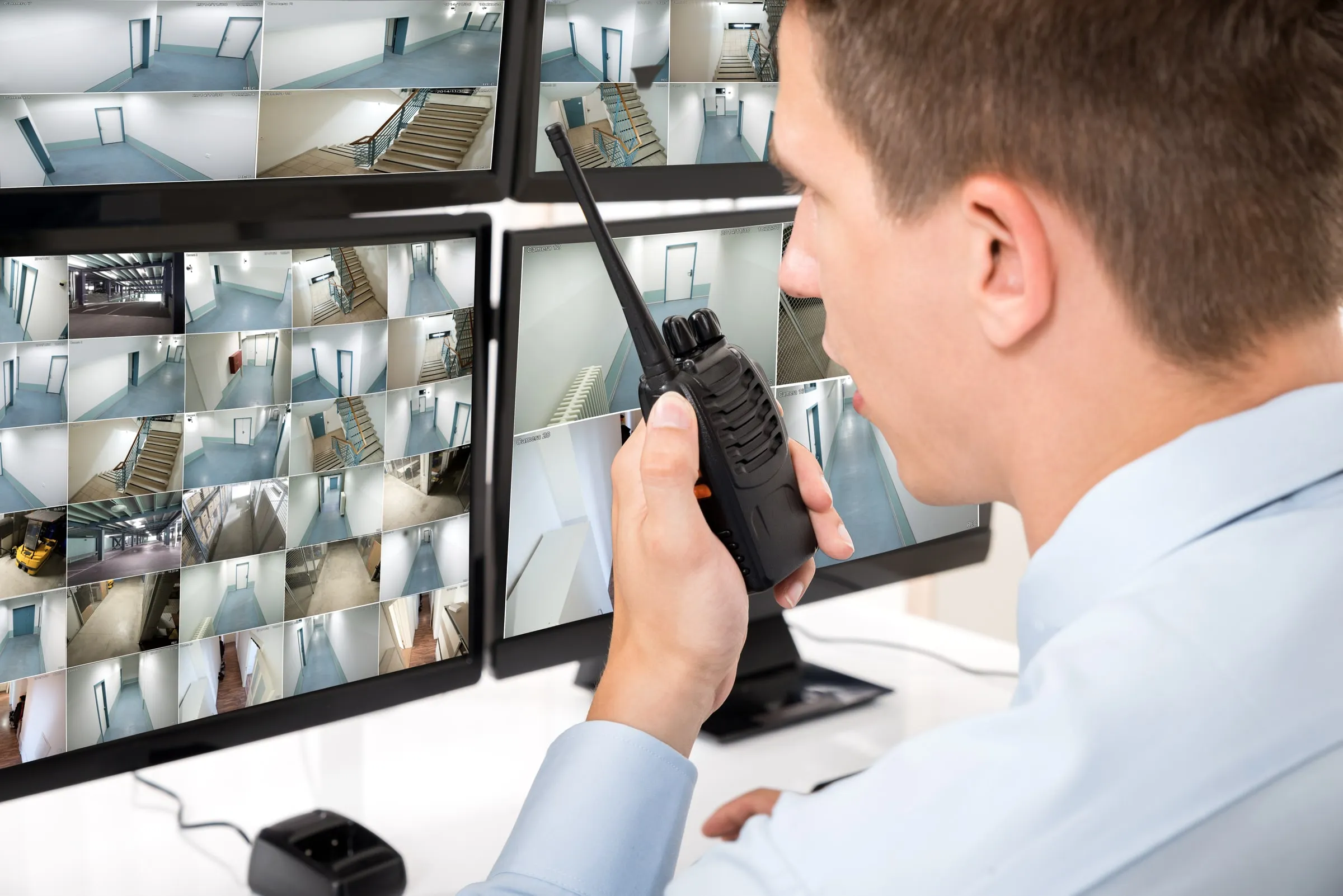
The gate cameras and plate readers belong to the association; the officer watches them from the guardhouse, checks the exit lane and the pedestrian gate on the screen between arrivals, and pulls the clip when the manager asks which car came through at a given time.
- Vehicle patrol
Where the gated section has streets behind the gate and no other coverage, a second officer or the guardhouse officer at shift change drives the streets, the mail kiosk and the amenity lot on a short round, so the gate is not the only place the association is watched.
- Incident reporting
The daily report lists every visitor and contractor admitted or turned around, every gate fault with the time the gate company was called, tailgating observed and every resident complaint taken at the window, and it reaches the manager before the office opens.
A typical post
What a shift looks like here.
The afternoon officer takes the guardhouse from the day shift with the visitor list, the day's contractor log and a note about a gate arm that has been sticking. School traffic comes through the resident lane first; the visitor lane fills with delivery vans and the officer keeps it moving, checking each against the list and calling the homeowner when a name is not on it.
After dark the entries slow and the checks get stricter. A car with no decal in the resident lane is directed to the window. A contractor van at nine at night is turned around unless the manager has approved after-hours work, and the refusal is logged with the plate. Between arrivals the officer watches the exit gate and the pedestrian gate on the association's cameras.
In the small hours the officer walks the guardhouse perimeter, checks the arm and the loops, notes the pass of the patrol vehicle if the community runs one, and writes the report: admitted, refused, faults, complaints. The morning officer inherits the list of things the manager needs to know before the gate company is called.
Reporting
What the daily report covers here
Every client receives a written report each day, and officer performance is reviewed and documented daily. This is what the report records on this kind of post.
- Visitors admitted by resident authorization, with the name, plate and time
- Contractors logged in and out against the hours the association allows
- Vehicles turned around at the window and the reason given
- Gate arm, loop and operator faults, with the time the gate company was called
- Tailgating through the resident lane observed and the plates recorded
- Emergency vehicle entries and the gate opened for them
- Resident complaints taken at the window and passed to the manager
How does the officer decide who gets in?
By the post orders, which restate the association's gate policy: residents by decal or list, visitors by a standing list, a daily list or a call to the homeowner, contractors in the approved hours. Nobody is admitted on the officer's own judgment, and every refusal is logged so the manager can explain it.
What happens when the gate arm breaks at night?
The officer secures the lane as the post orders direct, calls the gate company's after-hours number and the manager, records the time, and keeps checking cars by hand until the arm is repaired. A staffed guardhouse is the reason a broken arm does not become an open gate.
Can a resident's guest be refused?
Only in the situations the governing documents describe, such as a contractor outside approved hours or a person the association has trespassed. A guest the resident has authorized is admitted and logged. The officer does not argue at the window; a dispute goes to the manager with the log entry.
Do you staff the guardhouse around the clock or overnight only?
Either. Some associations staff the entrance twenty-four hours, others from the afternoon commute through the early morning and leave the gate on codes during the day. The proposal prices the hours the board chooses, and the hours can change at renewal or when the budget does.
How are food delivery and ride-share drivers handled?
As visitors: the driver gives the address, the officer confirms against the resident list or calls the homeowner if the post orders require it, and the entry is logged with the time. Associations that want deliveries held at the gate say so in the post orders and the officer follows that instead.
Related pages
Industries we serve
Services
Service areas
Insights
Glossary
Request a proposal
Request a proposal for gated communities.
Two short steps. Dispatch reviews every request and calls you back about coverage. For urgent unarmed coverage we can typically staff most sites within hours.
24-hour dispatch
(281) 326-9189