
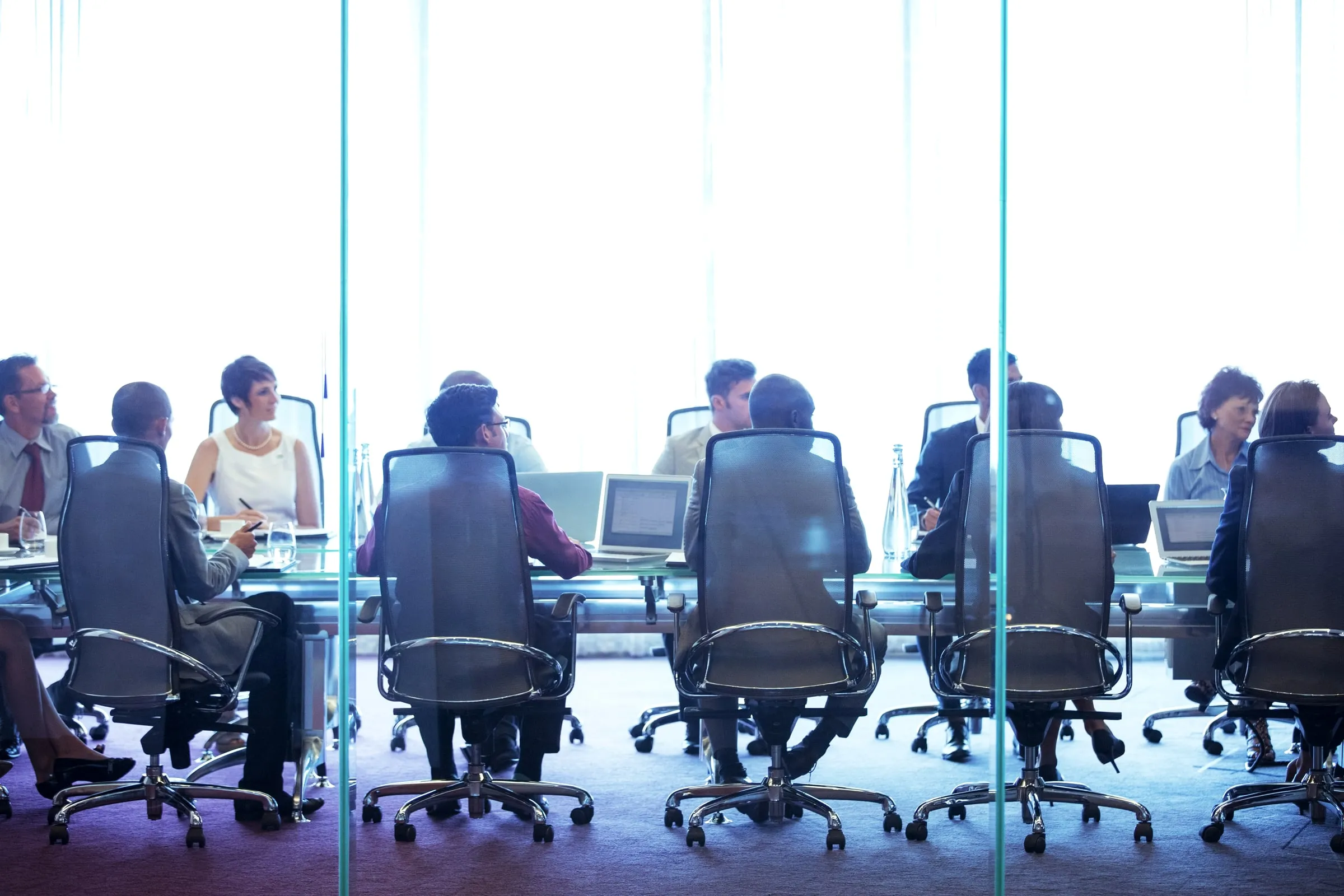
Security for Board and Shareholder Meetings
The door checked, the room held and the disruption handled the way the chair wants it handled, so the meeting gets through its agenda.
Request a proposalThe situation
What a contentious meeting deals with
Who is entitled to be in the room
Shareholders of record, proxy holders, members in good standing, the public at a hearing. The rules say who may attend and the door has to apply them without turning away someone who has a right to be there.
Dissent
A shareholder proposal, an HOA assessment, a rezoning, a layoff announcement. Some meetings are called because people are angry, and the chair needs the meeting to proceed while the anger is heard within the rules.
Executives and directors
Directors and executives arrive and leave through a lobby or a lot where a person with a grievance can reach them. They want to get in, sit through the meeting and get out without a confrontation.
The record
A disruption at a shareholder meeting is a securities and governance matter; one at an HOA meeting is a lawsuit. Counsel wants a record of what happened and how it was handled that does not depend on memory.
The chair’s meeting
A board or shareholder meeting has rules about who attends, who speaks and who decides when order has been lost, and the security plan follows them. Price Protection’s lead officer plans with the corporate secretary or the board president and counsel: the list and the proxy procedure, the agenda and the item that will draw comment, the chair’s wishes on disruptions, the executives’ route and the venue’s rules. Officers dress in business dress and read as meeting staff.
The door
Registration is the secretary’s; the officer applies the procedure and holds the edge cases courteously while the secretary rules. Shareholders, members and proxy holders are admitted as the rules allow, the public as a hearing’s rules provide, and bags are handled by the posted policy. Once the meeting is called to order, the doors are held and late arrivals are admitted as the chair permits. Proxy holders and guests admitted by the secretary’s ruling are noted so the minutes and the report agree.
Disruption
The chair decides when order is lost and what happens next; the officer carries it out. A member who shouts over the chair is asked for order by the chair, then escorted out by the officer at the chair’s direction, courteously, with the police called only for someone who refuses to leave or threatens anyone. Force is used only to defend someone from harm. Every disruption is logged with the time, the chair’s direction and the outcome, because it is a governance record.
Executives and the lobby
Directors and executives arrive and leave by a route the plan chose, with the lobby and the lot watched and an officer walking with them where counsel wants it. A person waiting in the lobby to confront a director is met courteously and told the board will respond through the secretary. Where counsel has assessed a specific threat, a commissioned officer holds a position discreetly.
Booking
Dispatch, or a call to the office, begins with the corporate secretary or the board: the venue, the date and time, the expected attendance, the list and the admission procedure, the agenda’s contentious item, the executives and any specific concern. The lead officer plans with the secretary and the officers are booked for the meeting.
How we cover it
Every service, applied to this post.
- Unarmed security guards
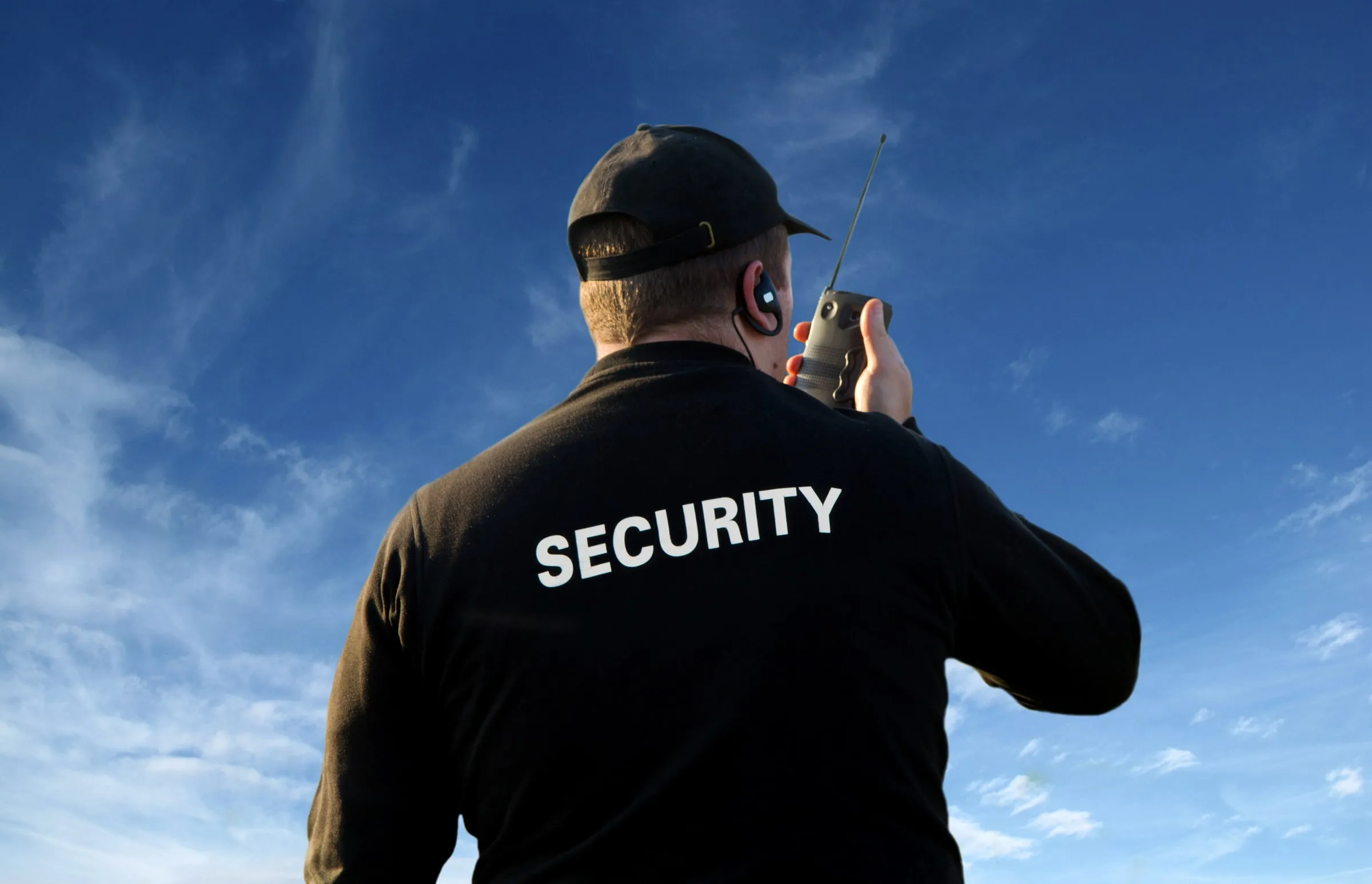
Unarmed officers in business dress at the registration table and the room's doors, in the room where the chair wants them, at the executive entrance and in the lot, for the meeting and the arrivals and departures around it.
- Access control
Attendees checked against the shareholder, member or proxy list by the corporate secretary's procedure, the public admitted as the hearing's rules allow, bags handled by the posted policy, and the room's doors held once the meeting is called to order.
- Armed security guards
Where counsel has assessed a specific threat against the board or an executive, a commissioned officer holds a position agreed in the plan, discreetly, with observe-and-report the default and the police informed.
- Camera monitoring
Where the venue's cameras cover the lobby and the lot, an officer watches them from the venue's security office and directs the door officers by radio.
- Incident reporting
A confidential report to the corporate secretary and counsel: attendance and credential refusals, disruptions with times and how the chair directed them to be handled, ejections, executive movements and any contact in the lobby or the lot, in the format counsel requests.
A typical post
What a shift looks like here.
The lead officer meets the corporate secretary and counsel an hour before doors: the shareholder list and the proxy procedure, the agenda and the item that will draw comment, the chair's wishes on disruptions, the executives' entrance and the route, the venue's rules. Officers take registration, the room's doors and the executive entrance as directors arrive.
At registration a man without a proxy insists on entering; the officer holds him courteously while the secretary rules, and he is admitted as a guest without voting rights by the secretary's decision. During the assessment item a member stands and shouts over the chair; the chair asks for order, then asks the officer to escort the member out, and the member leaves with the officer at his side. It is logged with the time.
At adjournment the directors leave by the route the plan chose, a member waiting in the lobby to speak to the chair is told the chair will respond through the secretary, and the report is written for the secretary and counsel: attendance, the proxy ruling, the ejection with the time and the chair's direction, the lobby contact.
Reporting
What the daily report covers here
Every client receives a written report each day, and officer performance is reviewed and documented daily. This is what the report records on this kind of post.
- Registration coverage: attendance and credential refusals, with the secretary's rulings
- Disruptions with times, the chair's direction and the outcome
- Ejections with the time and the reason
- Executive and director arrivals and departures, with the route used
- Lobby and lot contacts and how they resolved
- Bag policy refusals and items held
- Police contact, if any, with the time and reason
Questions
About board and shareholder meetings coverage.
Anything else? Call dispatch at (281) 326-9189.
Can the officer remove a disruptive attendee?
At the chair's direction and within the meeting's rules, the officer escorts the person out courteously. The officer does not decide who is removed; the chair does. Force is used only to defend someone from harm, and the police are called for anyone who refuses to leave.
How is the door run at a shareholder meeting?
By the corporate secretary's procedure: the shareholder and proxy lists, the admission rules and the secretary's rulings on the person who is not on the list. The officer applies the procedure and the secretary decides the edge cases.
Do you cover HOA and cooperative meetings?
Yes. Annual meetings, assessment votes and hearings on a disputed matter are covered the same way, with the board's rules on attendance and comment restated in the post orders and the board president as the chair.
How do officers dress?
In business dress at the door and in the room, so they read as meeting staff. A visible uniform in the lot or the lobby is arranged where the board wants the presence seen.
How much notice do you need?
A few days for most meetings; more for a large annual meeting in a venue. Dispatch takes the details and the lead officer plans with the corporate secretary or the board.
Related pages
Industries we serve
Insights
Glossary
Request a proposal
Request a proposal for board and shareholder meetings.
Two short steps. Dispatch reviews every request and calls you back about coverage. For urgent unarmed coverage we can typically staff most sites within hours.
24-hour dispatch
(281) 326-9189