
Free checklist
Hurricane Season Property Security Checklist
A June-to-November checklist for Houston properties: contacts and post orders before the season, actions when a storm is forecast.
By Price Protection SecurityReviewed TX DPS Lic #B09430601
How to use this checklist
Work through the first section in May, before the season opens on June 1, and keep the rest with the property’s storm plan. When a storm enters the forecast, start at the second section and go in order. The checklist assumes the property has a security company; a property that does not should read the first section as the list of things to arrange. Price Protection’s post orders for its clients include a storm section built from these items.
Before the season (by June 1)
- Storm section added to the post orders: what the officer does at each stage, when the post stands down, when it resumes
- Who decides a stand-down and a return agreed and named
- Contact tree updated: manager, maintenance, owner, security dispatch, insurer, utility, fire department non-emergency
- Coverage for the post-storm period agreed in principle: extra officers, a patrol, fire watch if systems go down
- Generator, fuel and lighting plan for the office and the guardhouse
- Gate, camera and access system behavior on power loss known and written down
- Vacant units and buildings listed for the post-storm round
- Photographs of the property on file as a baseline
When a storm is forecast
- Officer schedule through the storm window confirmed with dispatch
- Loose items, furniture, signs and equipment secured or moved
- Vehicles and equipment moved to high ground or secured
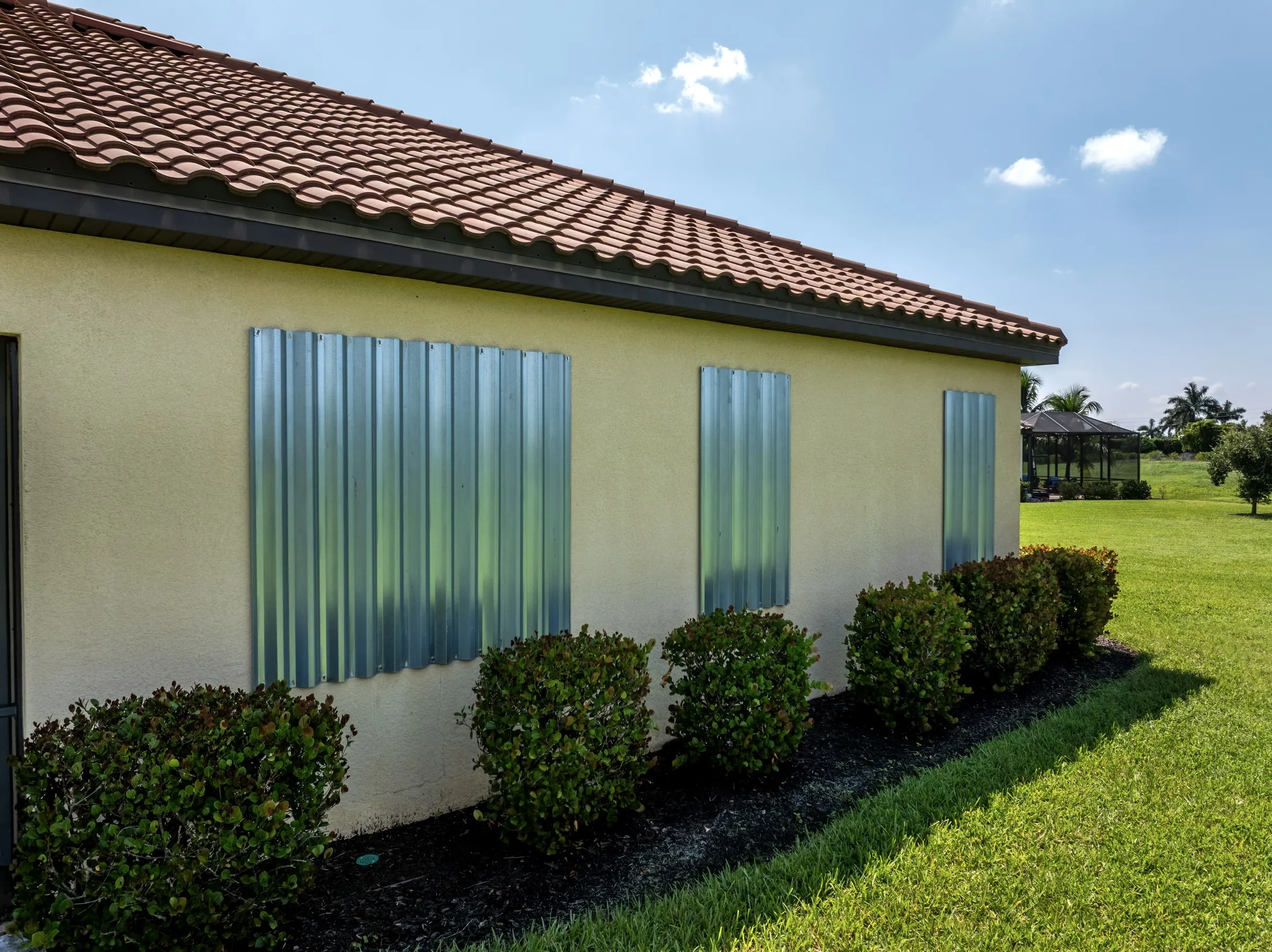
- Windows and doors of vacant units and the office secured
- Residents or tenants told what security will be on site, and when it will not be
- Fresh photographs of the property
- Keys, codes and the contact tree in the officer’s hands
During the storm
- Officer remains only where the post orders and the conditions allow
- Stand-down decision made by the named person and logged with the time
- Check-ins with dispatch on the agreed schedule
- No rounds during dangerous conditions; life safety first
After the storm
- Coverage resumes as soon as roads allow; time logged
- First round: perimeter, fences, gates, damaged openings, standing water, downed lines (reported, not approached)
- Damaged openings boarded or covered; vacant units rechecked
- Gates that failed open covered by an officer until repaired
- Lighting and camera outages logged; officer presence increased where they are dark
- Photographs of damage taken for the insurer, with times
- Fire protection impairments reported to the fire department and the fire code official; fire watch started if required
- Contractors’ materials and equipment covered as they arrive
- Daily report to the manager each morning, with damage and access notes
Recovery
- Fire watch maintained until systems are restored and tested
- Post orders updated for the construction phase
- Coverage window reviewed as power and systems return
- Storm file completed: photographs, logs, reports, notifications
Notes on filling it in
Almost everything that goes wrong after a storm traces back to the first section not having been done: no agreed stand-down, no plan for gates that fail open, no idea whether the cameras are dark. Do it in May. During the storm the checklist is short on purpose; an officer in a flooded lot is not coverage. Afterward, the period between the storm passing and power returning is the one that matters most for security, and it is when a property with a plan already in place is staffed first. The hurricane planning article and the aftermath article go through each period, and the sprinkler impairment checklist covers the fire watch.
Step by step
Before the season
Update the post orders with storm procedures and contacts, confirm how the security company will cover the property during and after a storm, and agree who decides when officers stand down and return.
When a storm is forecast
Secure loose items and equipment, photograph the property, confirm the officer schedule through the storm window, and tell residents or tenants what security will and will not be on site.
During the storm
Officers stay only where the post orders and the conditions allow. Life safety comes first; a post is stood down when the site is unsafe, and the decision is logged.
After the storm
Coverage returns as soon as roads allow: perimeter, damaged openings, downed fences, vacant units and the lots. Power outages disable gates, cameras and lighting, and this is when a visible officer matters most.
Recovery
Fire watch where alarm or sprinkler systems are down, coverage for contractors' materials and equipment, and daily reports that document damage for the insurer.
Questions
Using this checklist.
Will officers stay on site during a hurricane?
Only where the post orders and the conditions allow it safely. The company and the client agree in advance who decides a stand-down, and the officer's safety governs. Coverage resumes as soon as the site can be reached.
What is the biggest security problem after a storm?
Open buildings without power. Gates fail open, cameras and lights are dark, windows are broken, and contractors' materials arrive. A visible officer on the property during that period is the coverage that matters.
Does storm damage trigger a fire watch?
If a required fire protection system is out of service because of the storm, the fire code official may require one under IFC 901.7 until it is restored. Report the impairment and ask.
How far ahead should I arrange storm coverage?
Before the season. Once a storm is forecast, everyone is arranging coverage at once, and a property with post orders and a plan already in place is staffed first.
Related pages
Industries we serve
Services
Insights
Answers
Request a proposal
Request a proposal for your property.
Two short steps. Dispatch reviews every request and calls you back about coverage. For urgent unarmed coverage we can typically staff most sites within hours.
24-hour dispatch
(281) 326-9189