
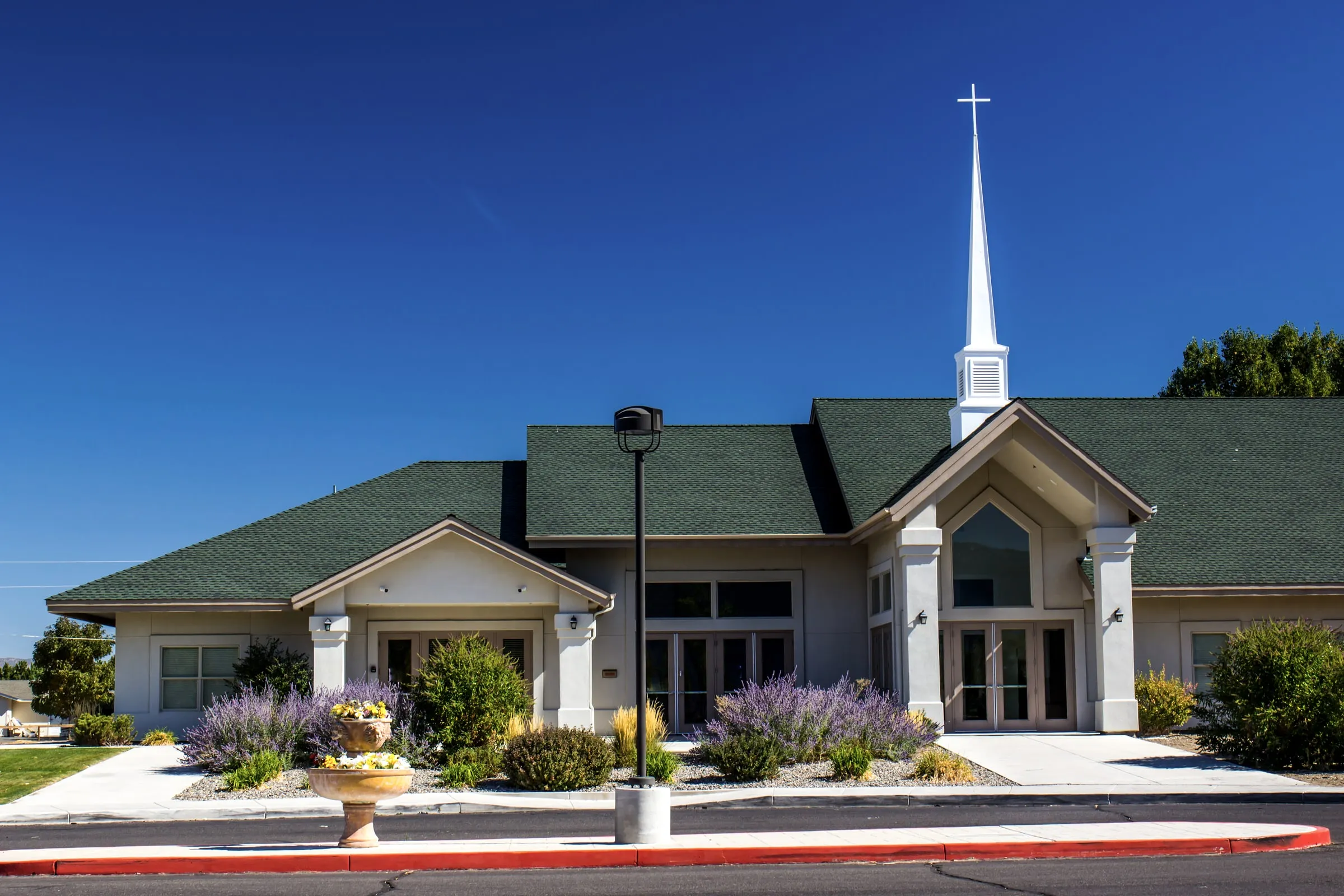
Security Guards for Churches
A welcoming presence at the doors and in the lot on Sunday, and a licensed officer who knows what to do if the morning is not ordinary.
Request a proposalThe situation
What a church deals with on a service day
Open doors by design
A church is the one building on the block that wants strangers to walk in. Every service day the doors are open, the lot is full and nobody is checking anyone, which is right, and which means the congregation depends on someone noticing the person who is not there to worship.
The parking lot during the service
For an hour or more the lot holds every member's car and nobody is in it. Windows are broken and purses taken from under seats while the congregation sings, and the loss is discovered as families walk out.
Disruption and the difficult visitor
A person in distress, someone under the influence, an estranged spouse, a visitor who becomes loud during the sermon. The ushers are not trained for it and the pastor is in the pulpit.
Offerings, offices and weekdays
The offering is counted and moved; the office keeps records and a safe; the food pantry and the ministries bring people to the building all week when only a few staff are there.
A church post is written with the church
Two congregations on Price Protection’s client wall are churches, and the company’s approach to church security came from working with them: the officer is part of the welcome, not a barrier to it. The post orders are written with the pastor or the safety team lead from a walk of the building on a service day. They say where the officer stands as members arrive, which doors lock once the service begins and who has the keys, where the children’s ministry check-in is and what the volunteers there need, how the offering is moved, and what the church wants done with the visitor who is not there to worship.
Sunday
The officer arrives before the first members and leaves after the last car. The service window has three parts: the doors as members arrive, the lot and the exterior doors during the service, and the doors again as the congregation leaves. The lot is where most church losses happen, and a visible officer walking the rows during the sermon is the most direct answer. Between services the officer is back at the doors. The difficult visitor is handled by the plan the church agreed: courteous, quiet, in the lobby, with the police called only if the person will not leave.
Weekdays
Churches are open all week: office hours with a small staff, the food pantry, youth nights, choir practice, funerals, weddings and the ministries that bring strangers to the building. Weekday coverage is booked for the hours the church needs, with the same post orders and the same report. Buildings whose fire alarm or sprinkler system goes out of service can add fire watch from the same company.
The safety team
Many congregations have a volunteer safety team, and the officer works within it rather than around it. The post orders set the roles: the volunteers greet, escort and watch the sanctuary; the officer covers the doors, the lot and the difficult moments, and is the one who calls the police. Training in first aid and de-escalation is the officer’s contribution to the team, and the report after each service day is the team’s record.
Starting coverage
Dispatch needs the church’s address, the service schedule, the hours wanted, the safety team lead’s contact, whether an armed presence has been decided and the administrator’s number. The supervisor walks the building on a service day, writes the post orders with the safety team lead and the officer starts on the agreed Sunday.
How we cover it
Every service, applied to this post.
- Unarmed security guards
An unarmed officer at the doors and in the lot for the service window, arriving before the first members and leaving after the last car. The officer greets, watches the lot during the service, walks the building, and handles the difficult visitor courteously by the plan agreed with the church.
- Armed security guards
Where the church's leadership has decided on an armed presence, a commissioned officer works the doors or the lobby under post orders that keep observe-and-report as the default, positioned where the church wants and dressed as the church prefers. Price Protection has staffed armed posts since it began.
- Vehicle patrol
For churches with large lots or several buildings, a marked vehicle patrols the lot during the service and walks the rows, which is the most direct answer to break-ins while the congregation is inside.
- Access control
The children's ministry check-in, the office door on weekdays and the doors the church wants locked once the service begins are covered by the post orders, with the officer working alongside the church's own volunteers.
- Incident reporting
A report after each service day and each weekday shift to the administrator or the safety team lead: arrivals, contacts, lot incidents, doors, anything the pastor should know, and nothing about members beyond what the post requires.
A typical post
What a shift looks like here.
The Sunday officer arrives before the early service and walks the building with the safety team lead: which doors open, which lock at the start of the service, where the children's ministry check-in is, where the officer stands during the sermon. As members arrive the officer is at the main doors, greeting, and watching the lot fill.
During the service the officer walks the lot rows and the building's exterior doors, watches for cars circling the lot and for anyone trying handles, and returns to the lobby before the service ends. A visitor who has been pacing the lobby is spoken to courteously and stays for coffee. Between services the lot turns over and the officer is at the doors again.
After the last service the officer stays until the lot is nearly empty, walks the building with the administrator to confirm the doors, and writes the report: the visitor in the lobby, a car that circled twice with its plate, a propped side door, nothing else. The safety team lead reads it Monday.

Reporting
What the daily report covers here
Every client receives a written report each day, and officer performance is reviewed and documented daily. This is what the report records on this kind of post.
- Doors opened and secured, with times, and any door found propped
- Lot rounds during the service and vehicles of interest with plates
- Contacts with visitors in distress or causing disruption, and the outcome
- Children's ministry check-in and pickup issues raised by volunteers
- Medical calls, with 911 time and who was notified
- Weekday office, pantry and ministry coverage: arrivals and incidents
- Anything the pastor or administrator asked the post to watch for
On the client wall
Communities and businesses in this category that Price Protection protects.
- Trinity East United Methodist Church
- Brentwood Baptist Houston
Will an officer make the church feel unwelcoming?
The post is written so it does not. The officer greets at the doors like an usher, wears what the church prefers, and spends the service in the lot and at the doors rather than in the sanctuary. Most members see a friendly face and a car in the lot.
Armed or unarmed for a church?
Most congregations start with an unarmed officer at the doors and in the lot. Where leadership has decided on an armed presence, a commissioned officer is positioned and instructed by post orders written with the church. The company advises and the church decides.
How do you work with our volunteer safety team?
As part of it. The post orders are written with the safety team lead, the officer covers what the volunteers cannot, and the volunteers keep the roles they have. The report goes to the lead.
Can you cover weekday hours?
Yes: office hours, the food pantry, youth nights, funerals and weddings. Weekday coverage is booked for the hours the church needs and reported the same way.
What happens if someone disrupts the service?
The officer follows the plan agreed with the church: a quiet approach, an invitation to step into the lobby, a call to the police if the person will not. The officer does not use force except to defend someone from harm.
Related pages
Industries we serve
Services
Insights
Glossary
Request a proposal
Request a proposal for churches.
Two short steps. Dispatch reviews every request and calls you back about coverage. For urgent unarmed coverage we can typically staff most sites within hours.
24-hour dispatch
(281) 326-9189