
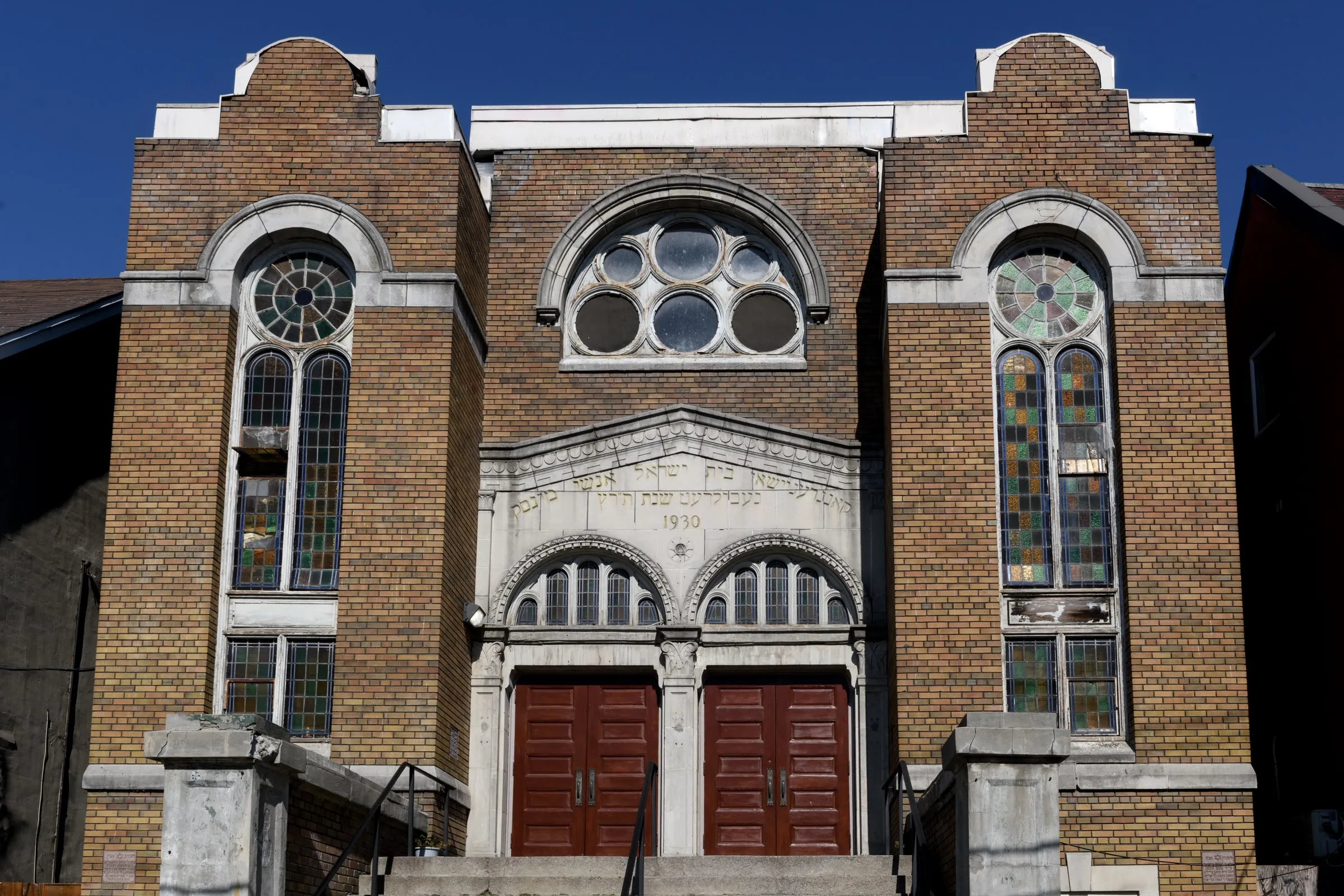
Security Guards for Synagogues
An officer at the entrance for Shabbat and the holidays who knows your building, your committee's plan and the difference between a guest and a threat.
Request a proposalThe situation
What a synagogue deals with at the door
The entrance is the plan
Synagogues have moved to controlled entrances: doors locked during services, a greeter and a security presence, bags noticed. What the committee needs is a trained person at that entrance for every service and program, not only the ones the volunteers can cover.
The calendar
Shabbat every week, the High Holy Days with the whole community present and tickets at the door, festivals, the weekday school, adult programs and lifecycle events. Coverage has to follow a calendar the committee already keeps.
Hostility
Synagogues are targets of threats, vandalism and people who come to provoke. The committee needs an officer who observes, records, does not escalate, and knows exactly when the police are called.
Children and the school
The religious school and the preschool bring children to the building on weekdays and Sunday mornings, with drop-off and pickup at doors the committee wants watched.
Working within the committee’s plan
Most synagogues in Houston already have a security committee, a plan and greeters at the door. Price Protection’s post fits into that plan rather than replacing it. The post orders are written with the committee from a walk of the building before Shabbat: which entrance is in use and when the others lock, where the officer stands, how the greeters and the officer divide the door, what the committee wants done with the unknown visitor, when the police are called, and how the school’s doors are covered on weekdays and Sunday mornings. The officers assigned are briefed on all of it and stay on the post so the congregation knows them.
The door
The entrance is the plan’s center and the officer’s post. Congregants and guests arrive; the greeter welcomes and the officer watches the approach, the lot and the street. At the time the committee set, the doors lock, and the officer walks the exterior, the lot and the school wing, watching the cameras between rounds. At the end of the service the door is staffed again. The unknown visitor is handled by the committee’s plan, courteously and without escalation, with the police called only where the post orders direct.
The calendar
Coverage follows the calendar the committee keeps: Shabbat every week, the High Holy Days planned as events with ticketing at the door and overflow parking, festivals, the religious school and the preschool on weekdays and Sunday mornings, adult programs, lifecycle events and office hours. The committee chooses what is covered and the proposal prices the hours.
Hostility and the record
Synagogues receive threats, vandalism and people who come to provoke. The officer observes, records descriptions and plates, does not confront, photographs damage and calls the police where the post orders direct. The report after each covered service goes to the committee chair and is kept for the committee’s records and for any report it makes to the police or a community security organization.
Starting coverage
Dispatch, or a call to the office, begins with the committee chair or the executive director: the building, the calendar, the current plan and the greeters’ roles, the committee’s decision on an armed presence and the school’s hours. The supervisor walks the building with the committee, writes the post orders and the officer starts on the agreed Shabbat.
How we cover it
Every service, applied to this post.
- Unarmed security guards
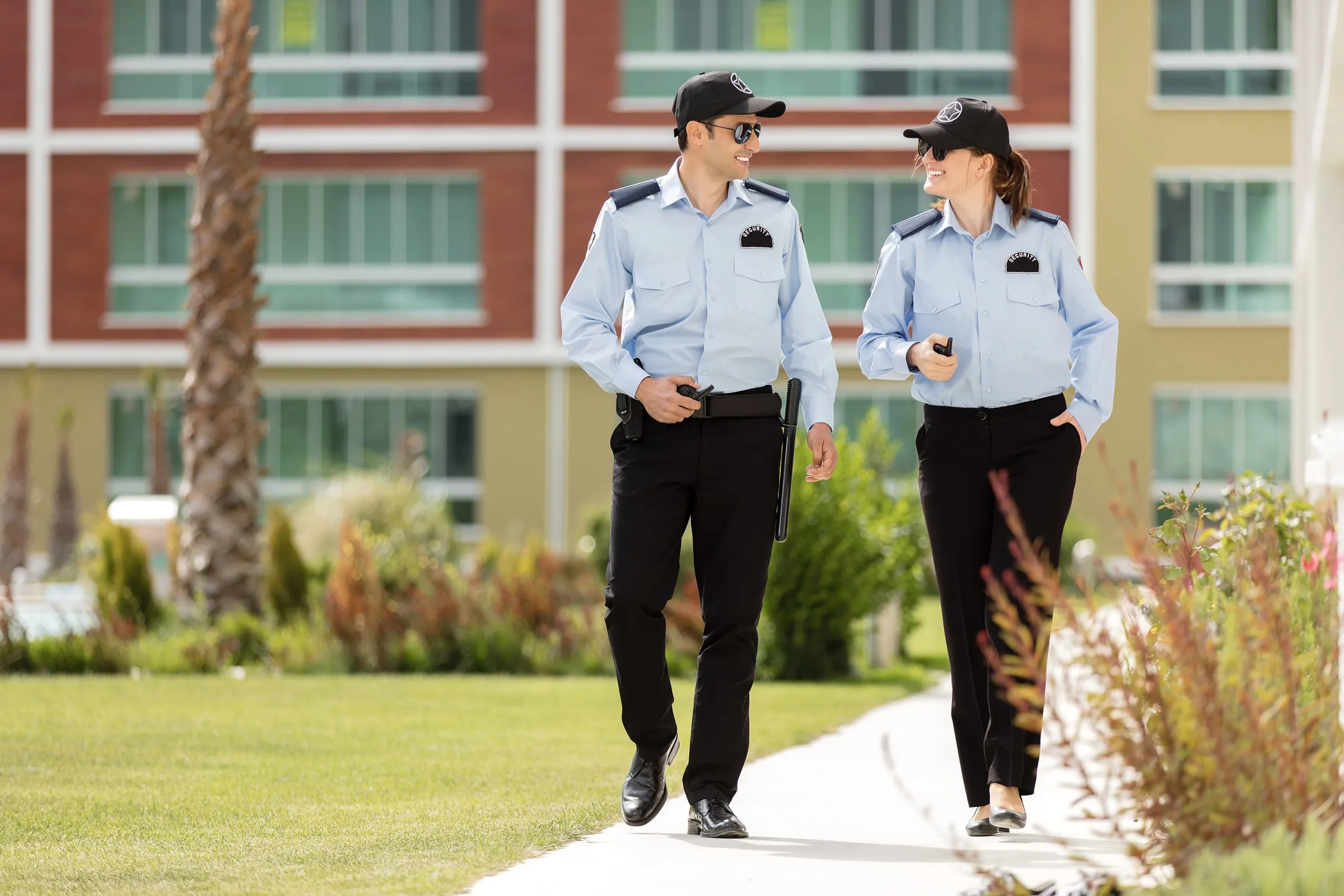
An unarmed officer at the entrance for Shabbat services, the weekday school and the programs the committee chooses, working with the greeters, watching the approach and the lot, walking the building and following the committee's plan for the unknown visitor.
- Armed security guards
Where the committee has decided on an armed presence, a commissioned officer holds the entrance under post orders written with the committee, positioned as the committee wants, with observe-and-report the default and the police called for enforcement.
- Access control
Doors locked at the times the committee sets, the entrance in use staffed, the school's drop-off and pickup doors watched, and the building's own access system used as the post orders assign.
- Camera monitoring
The synagogue's cameras on the approach, the lot and the doors are watched from the entrance post or the office between arrivals, and clips are pulled for the committee and the police on request.
- Incident reporting
A report after each covered service and program to the committee chair or the executive director: arrivals of note, persons observed outside, contacts, doors, lot incidents and anything received at the building, kept for the committee's records.
A typical post
What a shift looks like here.
The Shabbat officer arrives before the first congregants and walks the entrance with the committee's greeter for the morning: which door is in use, when the others lock, who is expected, the bar mitzvah family and their guests. As congregants arrive the officer is at the door with the greeter, watching the approach and the lot.
During the service the doors are locked at the time the committee set and the officer walks the exterior, the lot and the school wing, watching the cameras from the office between rounds. A car that parks across the street with its occupant watching the building is logged with the plate; the post orders say to call the police if the occupant approaches, and the car leaves.
At the kiddush the officer is at the door again; guests of the family who arrive late are checked with the greeter. After the building empties the officer confirms the doors with the executive director and writes the report: the car with its plate, a side door found unlocked, the late guests.
Reporting
What the daily report covers here
Every client receives a written report each day, and officer performance is reviewed and documented daily. This is what the report records on this kind of post.
- Entrance coverage and door lock times
- Persons and vehicles observed watching or approaching the building, with descriptions and plates
- Contacts at the door with unknown visitors and the outcome
- Exterior, lot and school-wing rounds during services
- Camera observations acted on
- Threats, messages or vandalism found or received, photographed and passed to the committee
- School drop-off and pickup coverage and issues
How does the officer work with our security committee and greeters?
Within the committee's plan. The post orders are written with the committee, the officer takes the position the committee assigns, the greeters keep their roles, and the report goes to the chair. Officers assigned to a synagogue are briefed and stay on the post.
Can you cover the High Holy Days?
Yes. The holidays are planned as events with the committee: the larger attendance, ticketing at the door, overflow parking and extended hours, with the team sized accordingly.
Armed or unarmed?
Both are staffed. Many committees choose an unarmed officer at the entrance working with their own plan; where a committee has decided on an armed presence, a commissioned officer holds the entrance under orders written with the committee.
What happens with a person who seems hostile outside?
The officer observes, records a description and plate, does not confront, and calls the police where the post orders direct. The record goes to the committee for any report it makes. Vandalism is photographed and reported.
Can you cover the religious school and weekday programs?
Yes. School hours, adult programs, lifecycle events and office hours are covered for the times the committee chooses and reported the same way.
Related pages
Industries we serve
Insights
Glossary
Request a proposal
Request a proposal for synagogues.
Two short steps. Dispatch reviews every request and calls you back about coverage. For urgent unarmed coverage we can typically staff most sites within hours.
24-hour dispatch
(281) 326-9189