
Security Guards for Private Schools
One entrance families recognize, worked by an officer who fits the campus rather than standing apart from it.
Request a proposalThe situation
What an independent school campus has to manage
One door for the whole campus
Families expect a single, watched entrance: a buzzer, a badge and a face they know, not a guard shack. The same door has to feel welcoming for a first-grader's mother and controlled for a stranger walking up from the street.
The campus runs past the bell
Sports practice, rehearsal, a chapel service or a board meeting keep buildings open well after dismissal, often with a different set of doors propped and a different group of adults on site than the school day used.
Touring families during the school day
Admissions season brings prospective parents through the halls while classes are in session. The front office is running the school at the same time it is greeting visitors it has never met.
A closed-campus promise
Many schools tell parents a student does not leave without release. A free period, a lunch break or a quad between two buildings is where that promise gets tested, especially on a campus without a single fence line.
The entrance has to do two jobs
A private school’s front door greets a donor and screens a stranger with the same motion, and the officer posted there is the one doing both at once. Price Protection builds the post around the school’s own admissions and safety culture rather than a generic checkpoint: the badge, the buzzer and the visitor log are the school’s, the officer applies them, and post orders are written with the head of school from a walk of the entrance, the lobby and the sightlines beyond it. A campus that wants a warm first impression for a touring family and a controlled one for everybody else needs an officer who can read which visitor is which without making either of them feel screened.
Buildings, quads and a school day that spreads out
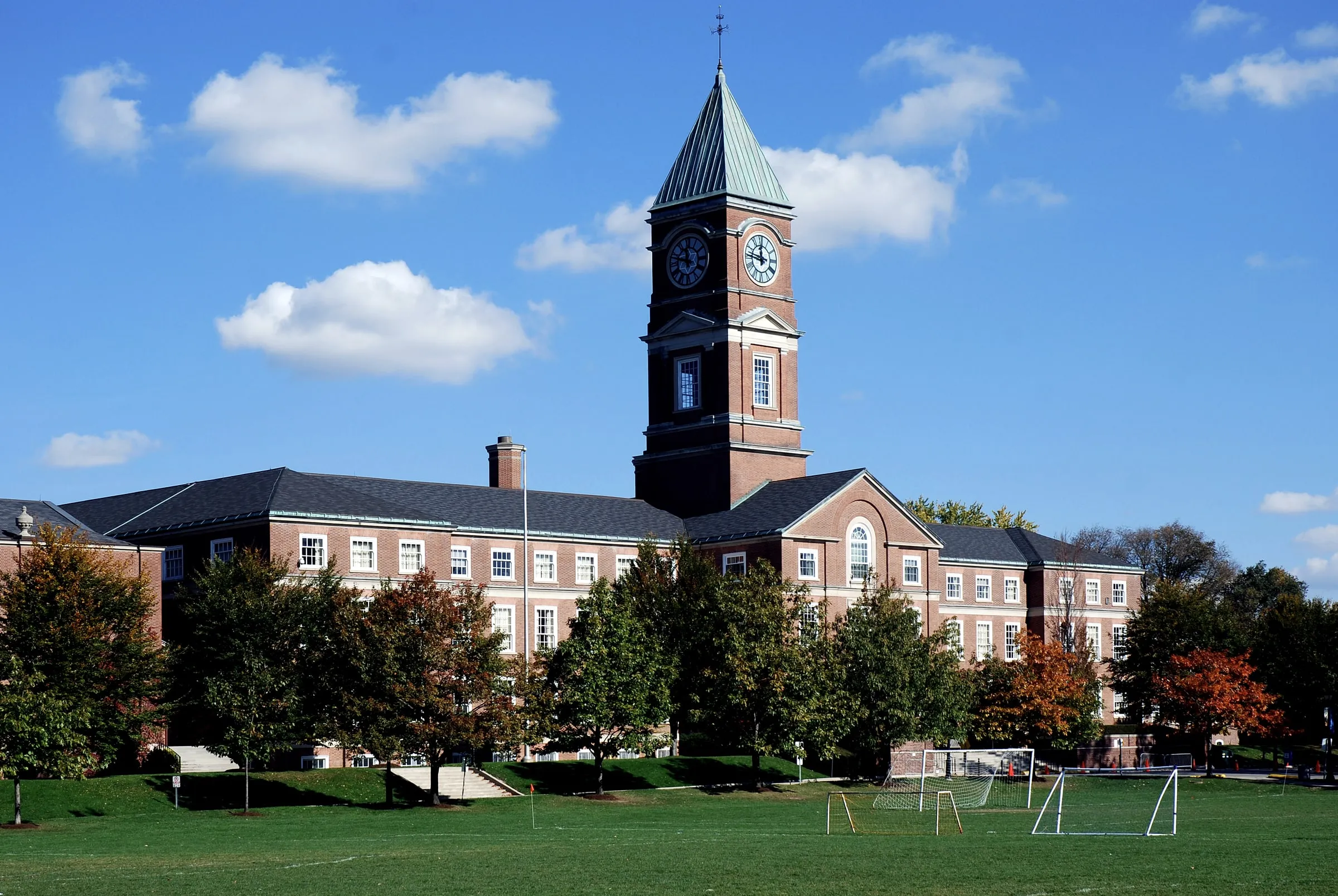
Independent campuses are rarely one building with one door. A lower school wing, a gym, a chapel and a dining hall may sit across a quad that students cross unsupervised between classes. The officer’s rounds are built around the times students are between buildings, not only around the entrance, and post orders name the specific gaps in sightline the campus has: a breezeway with no window on it, a service door by the kitchen, a gate to the athletic fields that gets propped during practice. Where the school runs a closed-campus policy, the rounds are the way that policy has any teeth between the front office and the fence line.
When the school day ends and the campus does not
Sports, rehearsal, a chapel service and evening meetings keep parts of an independent school lit and staffed long after the classroom day is over, often with a smaller and less familiar group of adults on the property. Price Protection prices these hours separately from the daytime post so a school is not paying for a full staff when only one wing is in use, and the officer working an evening event holds the door assigned to it, keeps the rest of the building secured, and logs who came and went the same way the daytime post does.
Screening that matches a school’s expectations
Every officer assigned to a school carries a Texas DPS registration, which requires a fingerprint background check, and passes the company’s own background check and drug test before starting. Independent schools that want additional screening, a specific uniform standard, or a particular way of greeting families at drop-off say so in the post orders, and the assignment is built to the school’s culture rather than to a standard post. A campus that wants the officer to know names within the first weeks gets the same small group of officers on the post so that happens.
Starting coverage
Dispatch needs the campus map or a walk-through, the hours the front office wants covered, the visitor and release policy already in use, and any evening events already on the calendar. A supervisor writes the post orders with the head of school or business officer, and unarmed coverage can generally begin within days of the campus walk. Where the board has already decided armed coverage is right for the campus, that assessment and the officer’s assignment are handled the same way, on the same entrance post.
How we cover it
Every service, applied to this post.
- Unarmed security guards
An unarmed officer works the main entrance during the school day, applies the front office's badge and buzzer procedure, and walks the building and grounds between class periods when the halls and quad are hardest to watch from one office.
- Access control
Visitor sign-in, staff badges and the list of who may collect a student are applied at the door exactly as the school's own policy states, and the same list is used again for evening events with a different set of names on it.
- Armed security guards
Where the board has assessed the campus and decided an armed presence fits it, a Level III commissioned officer is assigned to the same entrance post, under post orders the head of school approves in advance.
- Camera monitoring
The school's own cameras on the entrance, the lot and the quad are watched from the post between visitors, with clips pulled for the administration on request rather than left for a review after the fact.
- Vehicle patrol
On campuses with more than one building or a lot separated from the classrooms, a patrol vehicle checks the perimeter and the parking areas between periods and again during evening activities.
- Incident reporting
A daily report to the business office: visitors and contractors admitted, doors found propped, any student off campus without release, and building access during evening events.
A typical post
What a shift looks like here.
The morning officer opens the entrance before the first car arrives and reviews the day with the front office: a college admissions visit at ten, a maintenance crew on the west wing, a home game that keeps the lot full until dusk. Drop-off is worked from the door, not the curb, so the badge and buzzer routine starts before the first bell rather than after it.
Through the day the officer holds the entrance for visitors, walks the building on the hour, and checks the quad during the period changes when the most students are outside a classroom at once. A parent arriving to collect a child mid-day is checked against the front office's release list before anyone is called to the lobby, the same as at pickup.
In the evening a different post begins: a play, a board meeting or a practice keeps one wing lit while the rest of the campus is dark. The officer holds the door used for that event, logs who is in the building, and walks the empty wings on a round so a propped door does not sit open until morning.

Reporting
What the daily report covers here
Every client receives a written report each day, and officer performance is reviewed and documented daily. This is what the report records on this kind of post.
- Entrance and badge checks, with times and any visitor turned away
- Doors found propped or unlocked outside drop-off and pickup
- Visitors and contractors signed in during the school day
- A student off campus without an authorized release, with the time
- Evening event access: who used the building and until what time
- Lot and perimeter observations from patrol rounds
Do you provide armed officers for a private school campus?
Yes, where the board decides an armed presence fits the campus after its own assessment. The officer is a Level III commissioned officer under Texas DPS rules, working the same entrance post under post orders the head of school approves.
How does the officer handle a visitor during the school day?
By the front office's own policy: sign-in, a badge, and an escort where the school requires one. The officer does not set the visitor rules, the school does, and the post orders record them exactly.
Can coverage extend to an evening event like a play or a board meeting?
Yes. Many independent schools cover the school day and add hours for a specific evening event, and the proposal prices those hours separately from the standing daytime post.
What happens if a student is found off campus without release?
The post orders set the response: the officer notifies the administration immediately with the time and location, and the school's own procedure takes it from there. The officer does not act as school discipline.
Will the officer work with our existing front-office check-in system?
Yes. The officer applies the school's own visitor and release policy rather than a separate outside standard, so a parent sees one consistent process at the door.
Related pages
Industries we serve
Service areas
Insights
Glossary
Request a proposal
Request a proposal for private schools.
Two short steps. Dispatch reviews every request and calls you back about coverage. For urgent unarmed coverage we can typically staff most sites within hours.
24-hour dispatch
(281) 326-9189