
Security Guards for Daycare Centers
The list gets checked at the door every time a car pulls up, not just at two rush hours.
Request a proposalThe situation
What a daycare center's day actually looks like at the door
Pickup spread across hours, not one rush
Unlike a school's single dismissal, a daycare's pickup runs from early afternoon into the evening as parents finish work. The door opens dozens of times across that window, so the authorization list is checked far more often than at a school.
Infant and toddler rooms hold children who cannot speak for themselves
The youngest classrooms cannot tell a teacher who is at the door for them. The authorization list at the entrance is the only check standing between an infant and someone who should not be collecting that child.
A lot that never fully empties
Because arrivals and pickups spread through the day, the parking area has cars pulling in and out continuously rather than in two bursts, along with delivery vans for formula, diapers and supplies mixed into the same lot.
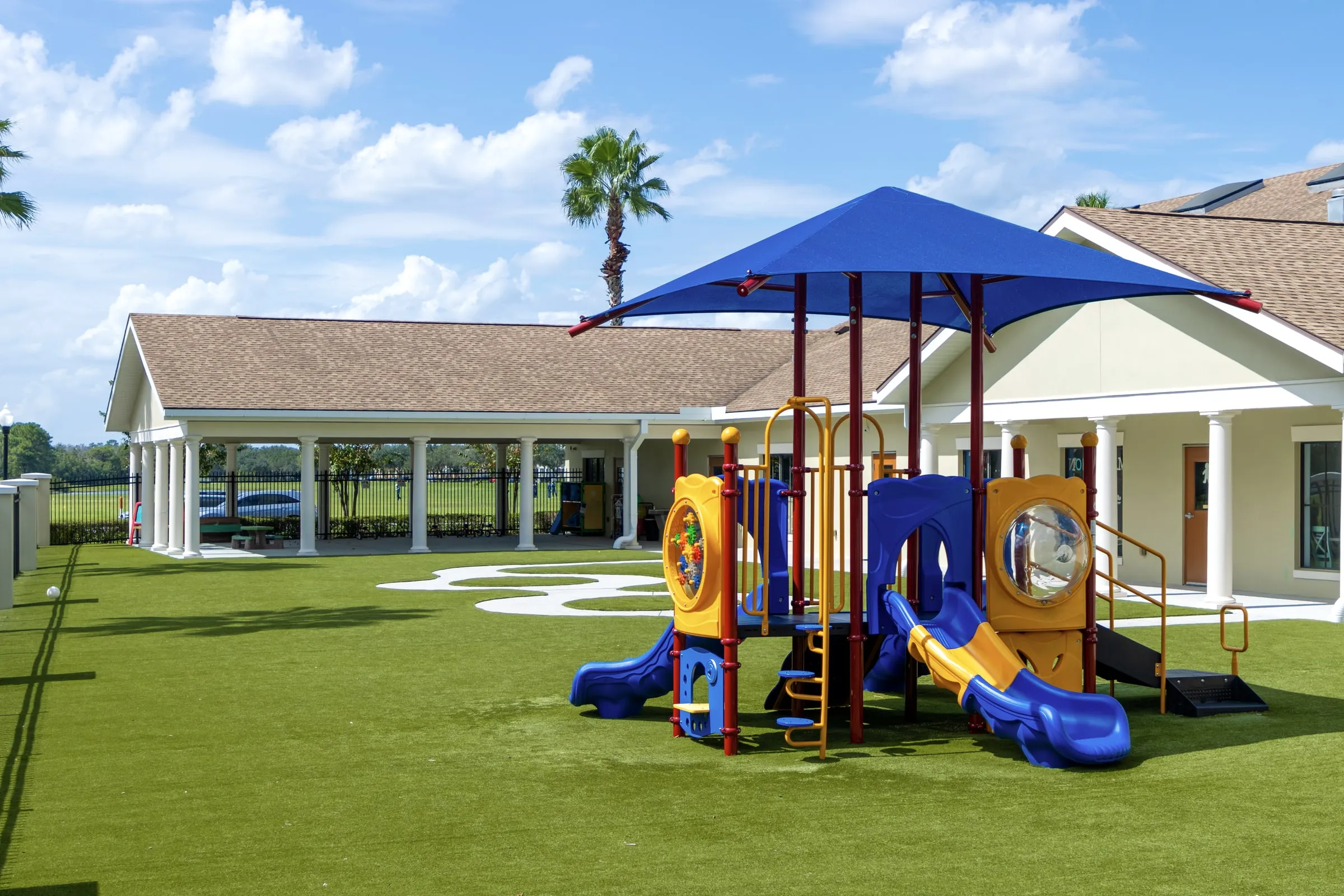
A fenced playground with a gate that gets used
Outdoor play happens on a schedule, and the gate between the yard and the lot or the street is opened and closed by teaching staff who are also watching a group of small children, not the gate itself.
A door that works all day, not twice a day
Most of a daycare center’s security lives at the entrance, but the entrance does not have a quiet period the way a school’s does. Because families pick up on their own schedules through the afternoon and evening rather than at a single bell, the authorization list gets checked dozens of times across a shift instead of at two predictable windows. Price Protection builds the post around that pace: an officer at the entry for the full stretch the center wants covered, applying the director’s list at every arrival with the same care at five in the afternoon as at nine in the morning.
The rooms that cannot speak for themselves
Infant and toddler classrooms are the reason the entrance matters most. A four-year-old can sometimes say whose car they are getting into; an infant cannot say anything at all. The officer treats the list as the only safeguard those rooms have, holding a pickup at the door until it matches, calling the director the moment it does not, and never releasing a child on the strength of a name alone. Where a center runs a separate entrance for its infant rooms, that door gets its own place in the post orders rather than being folded into the main entry’s routine.
The lot and the yard
Because pickup spreads across hours, the parking area rarely empties out the way a school’s does after the last car in the line. The officer’s rounds account for that: watching for a vehicle that lingers near the entrance with no child inside, keeping delivery vans for formula, diapers and classroom supplies moving through rather than parked near the play areas, and checking the playground gate on the schedule the director sets for outdoor time. A fence and a gate are only as good as whoever is watching them, and during outdoor play that is rarely the teacher who is also counting heads.
Working with the director’s staff
Teaching staff and administrators turn over the way most childcare programs do, and a family that has learned to trust one teacher may not yet know the next one. The officer is often the most consistent adult a returning family sees at the door, which is why Price Protection keeps a small, regular group of officers on a center’s post rather than rotating widely. The director sets the standard, the officer applies it, and the daily report gives the director a record of every pickup check, every refusal and every vendor who came through, without the director having to reconstruct the day from memory.
Starting coverage
Dispatch needs the center’s hours, the current authorization procedure, the playground schedule, the vendor and delivery pattern, and the director’s direct line for questions the officer cannot resolve alone. A supervisor walks the entrance, the classrooms’ access points and the yard with the director, writes the post orders from that walk, and coverage can generally begin within days for a center that needs it started quickly.
How we cover it
Every service, applied to this post.
- Unarmed security guards
An unarmed officer works the entrance through the center's full operating hours, checking every arrival and every pickup against the authorization list rather than only at fixed windows, and walking the building and yard on rounds.
- Access control
The entry is a locked vestibule or buzzer door controlled to the director's authorization list, applied the same way at nine in the morning as at five in the evening, with the visitor and vendor sign-in kept at the same door.
- Camera monitoring
The center's cameras on the entrance, the playground and the lot are watched from the post between arrivals, with clips pulled for the director on request rather than reviewed only after something is reported.
- Vehicle patrol
For centers with a larger lot or a playground on the street side, a patrol pass through the day watches for vehicles idling near the fence or the entrance outside a normal drop-off or pickup.
- Incident reporting
A daily report to the director: every pickup checked against the list, any pickup that could not be verified, vendor and visitor sign-ins, and playground or lot observations from the day.
A typical post
What a shift looks like here.
The morning officer opens the entry before the first family arrives and confirms the day's authorization list with the director, noting any change from the day before: a grandparent added, a parent temporarily removed. Drop-off runs in a steady trickle rather than a single rush, and each arrival is checked at the door the same way regardless of how many families have already come through that hour.
Through the midday the officer walks the classrooms and the yard on a set round, checks the playground gate before and after outdoor time, and signs in the formula and supply deliveries that arrive on no fixed schedule of their own. A car parked near the fence with nobody visibly coming to the door gets a second look rather than being assumed to belong to a neighboring business.
From early afternoon into the evening the pace of pickups builds and then thins out again as families finish work at different times. The officer checks the list at each one, holds any pickup that does not match, and closes the entry with the director once the last child has left, noting in the report anything that needed a second call to a parent that day.
Reporting
What the daily report covers here
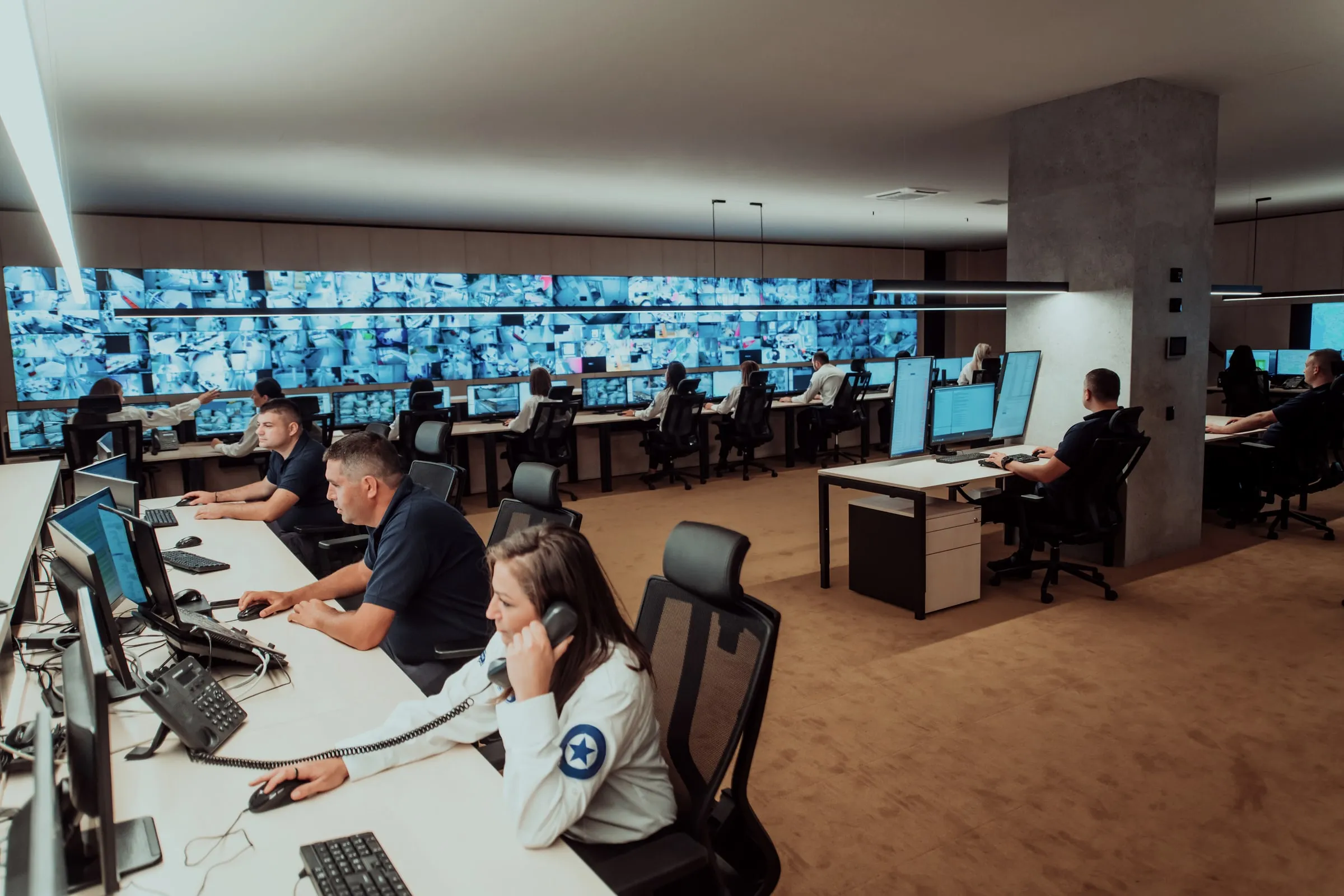
Every client receives a written report each day, and officer performance is reviewed and documented daily. This is what the report records on this kind of post.
- Pickup checks against the authorization list, with times, all through the day
- Any pickup held for verification and how it was resolved
- Vendor and delivery sign-ins, including formula and supply drop-offs
- Playground gate checks before and after outdoor time
- Lot observations, including vehicles with no visible reason to be there
- Visitors admitted to the building outside a scheduled pickup
How is the door different at a daycare than at a school?
A daycare's door is worked all day, since pickup is spread from early afternoon into the evening rather than one dismissal rush. The officer checks the authorization list at each arrival, not only at a set time.
What happens when a parent's pickup authorization has changed?
The officer works from the director's current list. If a parent is not on it, the child is not released, the director is called immediately, and the officer stays courteous while the director resolves it.
Can the officer watch the playground during outdoor time?
Yes, from a position agreed with the director, usually the gate and the fence line, so teaching staff can focus on the children while the officer watches the yard's one point of entry.
Do you provide coverage for a center's full operating hours or only certain windows?
Both are available. Many centers cover the full hours the building is open to families; others add coverage for the busiest arrival and pickup stretches and the proposal prices either.
Are officers screened for a childcare setting?
Every officer carries a Texas DPS registration, which requires a fingerprint background check, and passes the company's own background check and drug test. Directors who require additional screening say so and it is met or declined honestly.
Related pages
Industries we serve
Insights
Glossary
Request a proposal
Request a proposal for daycare centers.
Two short steps. Dispatch reviews every request and calls you back about coverage. For urgent unarmed coverage we can typically staff most sites within hours.
24-hour dispatch
(281) 326-9189