
Fire watch and compliance
Fire Watch for Schools and Daycares
By Price Protection SecurityReviewed TX DPS Lic #B09430601
Short answer
A fire watch on a school or daycare campus works inside procedures the building already has: the officer checks in through the same visitor system as any other adult on campus, the route and hours are built around the school day or the daycare's longer operating hours, and the alarm method coordinates with the school's own drill plan so a real alert during the watch does not read as an unfamiliar surprise to staff who already know how to move children.
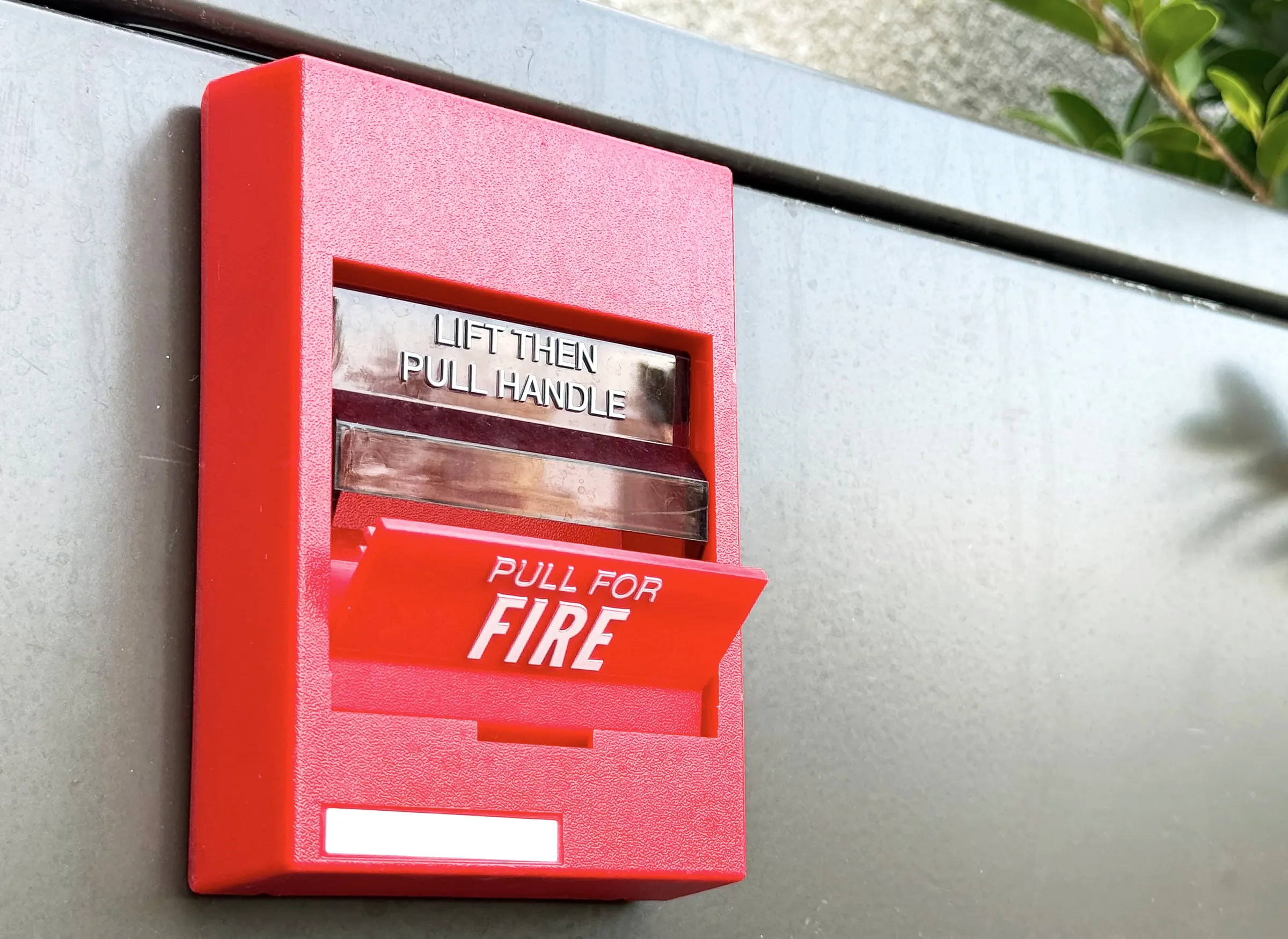
A school or daycare is one of the few buildings where the people most affected by an impairment cannot be expected to look after themselves if something goes wrong. That single fact shapes almost every practical decision about how a fire watch is staffed there, from how the officer gets through the front door to what hours the watch actually needs to cover.
The watch works inside the school’s own procedures
Schools and daycares already have visitor sign-in systems, badge requirements and, in many cases, background check policies for anyone spending time around children, and a fire watch officer follows exactly that process rather than being waved past it. Checking in at the front office, wearing whatever identification the school issues to visitors, and being introduced to staff before the watch starts are not extra steps layered onto the job; they are how the watch fits into a building that already has good reasons to be careful about unfamiliar adults on campus.
Building the hours around the school day
A K-12 school’s occupancy is predictable within a school year: a full day during the academic calendar, largely empty over breaks and in the evening, with extracurricular activities extending some days later. Where the contractor’s schedule allows it, some schools coordinate repair timing to avoid the main instructional day entirely, running the impairment and its watch during early drop-off, extended day care, or a scheduled break. Where the outage is discovered mid-day or cannot wait, the watch covers the building for the hours it is actually occupied, coordinated with the office on bell schedules, dismissal and any after-school programs still running in the building.
Daycares run on a longer, different clock
A licensed daycare typically operates far longer hours than a school day, often early morning through evening to match working parents’ schedules, and serves children, including infants and toddlers, who cannot evacuate on their own. Daycare staff already work under ratios and evacuation plans built around carrying or wheeling the youngest children out, and the fire watch coordinates with that existing plan rather than introducing a separate one. The watch’s hours are set to the daycare’s actual operating hours, which can mean a longer single stretch of coverage than a traditional school day requires.
| K-12 school | Daycare | |
|---|---|---|
| Typical hours occupied | School day, roughly morning to mid-afternoon | Often early morning to evening |
| Who evacuates independently | Most students, with teacher guidance | Infants and toddlers cannot; staff carry or wheel them |
| Existing drill infrastructure | Regular fire drills, practiced routes | Evacuation plans built around ratios and equipment like cribs |
| Off-season pattern | Largely empty over school breaks | Often open year-round with fewer closures |
Coordinating the alarm method with the drill plan
Every school and daycare already has a fire alarm response its staff and students practice, and the post orders for a fire watch during an outage are written to fit that existing plan rather than invent a new one. If the officer finds a fire, the alarm is raised by whatever method the school’s own plan specifies, a manual pull station in an unaffected zone, a call to the front office, a public address announcement, and the school’s own staff lead the actual evacuation and headcount, since they are the ones trained and practiced in moving their specific classrooms. The fire watch officer’s role is detection and raising the alarm, not running the evacuation itself.
Summer, breaks and construction work
Many schools schedule major system work, sprinkler replacements, alarm upgrades, roofing, during summer break specifically because the building is empty and the watch does not have to work around an occupied campus at all. A summer or break-period watch is more straightforward in that respect, closer to any other commercial building’s, though the hot-work trigger for a roofing or renovation project still applies on its own terms regardless of the calendar. A campus that starts a multi-week summer project sometimes needs the watch to bridge into the first days of the new school year if the work runs long, and coordinating that handoff with the school’s return-to-session schedule is worth confirming well before the first day of classes.
Church-run schools and daycares on a shared campus
Many daycares and some private schools operate on a church campus, sharing a fellowship hall, gymnasium or classroom wing with the congregation’s own weekend use. A fire watch on a campus like this coordinates with both sets of staff, the school or daycare’s weekday administration and the church’s facility director, since an impairment affecting the shared building can span both a weekday classroom schedule and a weekend service. The fire watch for churches article covers the congregation side of a shared campus, and a coordinator managing both should give dispatch both schedules so the watch plan accounts for the full week rather than only the hours school is in session.
What the log records on a campus with children
A fire watch log on a school or daycare campus follows the same structure as any other, rounds, times, areas checked, findings, but the header often notes which parts of the building are occupied classrooms during school hours versus common areas, since that distinction matters if the log is later reviewed alongside the school’s own safety records. Facility administrators reviewing the log after an impairment can see not just that the building was watched, but that the watch was staffed to match when children were actually present, which is often the detail a school board or a licensing reviewer wants confirmed.
Starting a watch for a school or daycare campus
Call dispatch with the address, the system affected, the school’s operating hours or the daycare’s, and the front office’s visitor check-in procedure. A supervisor writes post orders that fit the school’s own alarm and evacuation plan rather than replace it, and the officer is introduced to staff before the watch begins. The emergency fire watch page describes how coverage is arranged quickly when an outage is found on a school day already in progress.
Questions
Related questions
Will an unfamiliar adult walking the halls alarm parents or staff?
It should not, if the school introduces the officer through its own communication ahead of time and the front office briefs staff that a fire watch is in place. Our officer checks in like any visitor and follows the school's badge and sign-in procedure for the length of the watch.
How does the watch account for children during a drill versus a real event?
The watch does not run the drill; the school's own staff and their existing evacuation and headcount procedures do. The fire watch officer's job is detecting fire and raising the alarm by the agreed method, after which the school's teachers and administrators lead students out by the plan they already practice.
Can the watch run only during before- or after-school care hours?
Yes, where the impairment allows it. Some schools schedule the affected system's repair to avoid the main school day entirely, running the watch only during early drop-off or extended day care, though an outage discovered mid-day has to be covered for the hours the building is actually occupied.
Does a daycare's fire watch differ from a K-12 school's?
Meaningfully. Daycares operate longer hours, often early morning to evening, and serve infants and toddlers who cannot evacuate independently, which changes both the hours the watch covers and how closely it coordinates with staff who are already responsible for carrying or wheeling the youngest children out.
Related pages
Industries we serve
Insights
Glossary
Request a proposal
Request a proposal for your property.
Two short steps. Dispatch reviews every request and calls you back about coverage. For urgent unarmed coverage we can typically staff most sites within hours.
24-hour dispatch
(281) 326-9189