
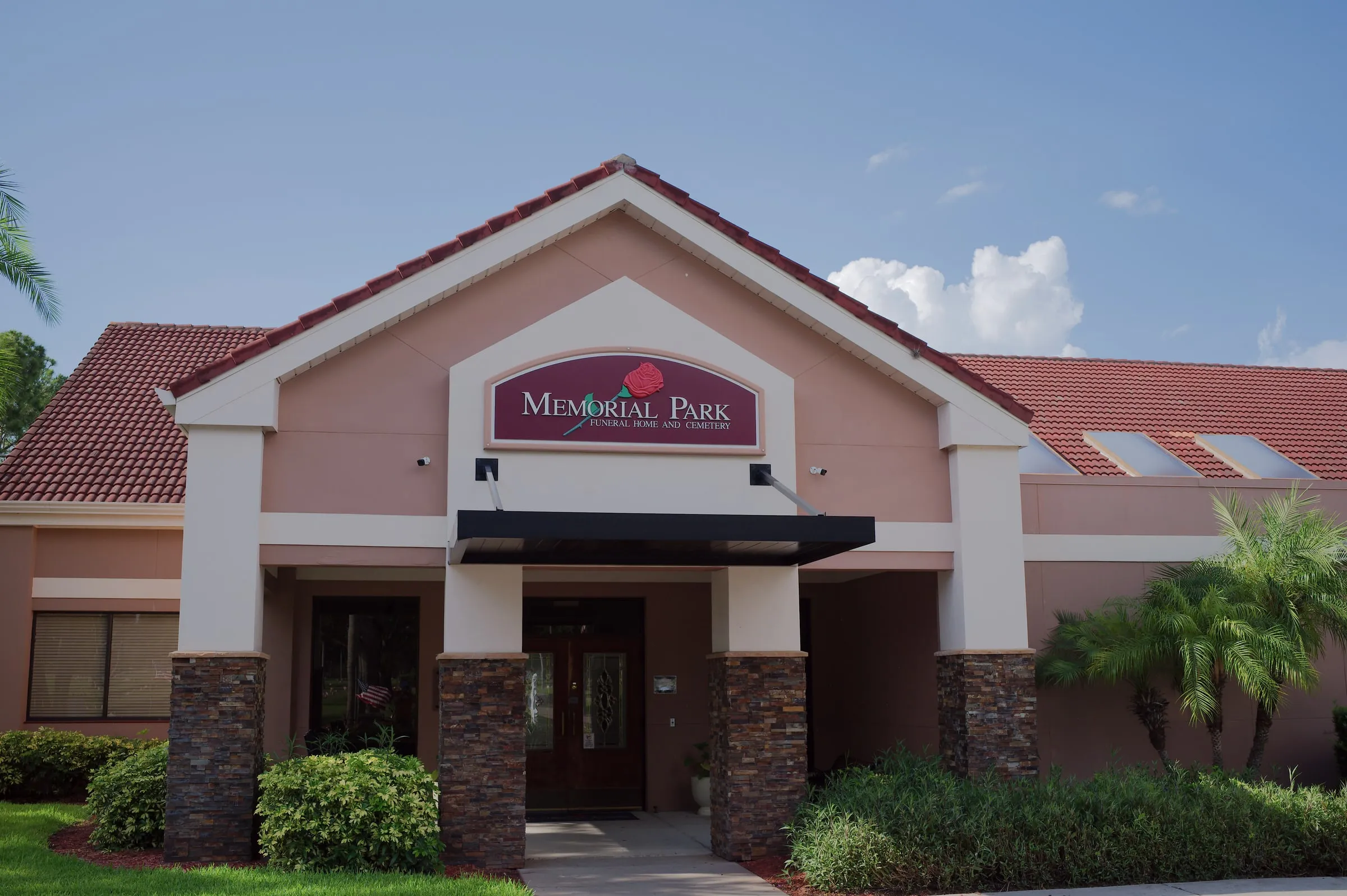
Security Guards for Funeral Homes and Services
A quiet, respectful presence for a visitation or a service, and someone at the door who handles the one person the family is worried about.
Request a proposalThe situation
What a funeral home and a family deal with
The person the family is worried about
Estranged relatives, a former partner, a dispute over the estate, a person the deceased had a protective order against. Families tell the director; the director needs someone at the door who can act on it without a scene.
Emotion, and sometimes violence
Grief brings arguments into the lobby and the lot. Services for a person who died violently can bring the conflict that caused it to the funeral home, and to the graveside.
The lot and the procession
Visitations fill the lot for hours; a large service overflows it onto the street; the procession leaves with every car and nobody in the building. Purses and packages in cars are the exposure.
The building at night
A funeral home holds the deceased, families' belongings, vehicles and records. It is quiet, known and lightly staffed after hours.
Quiet is the standard
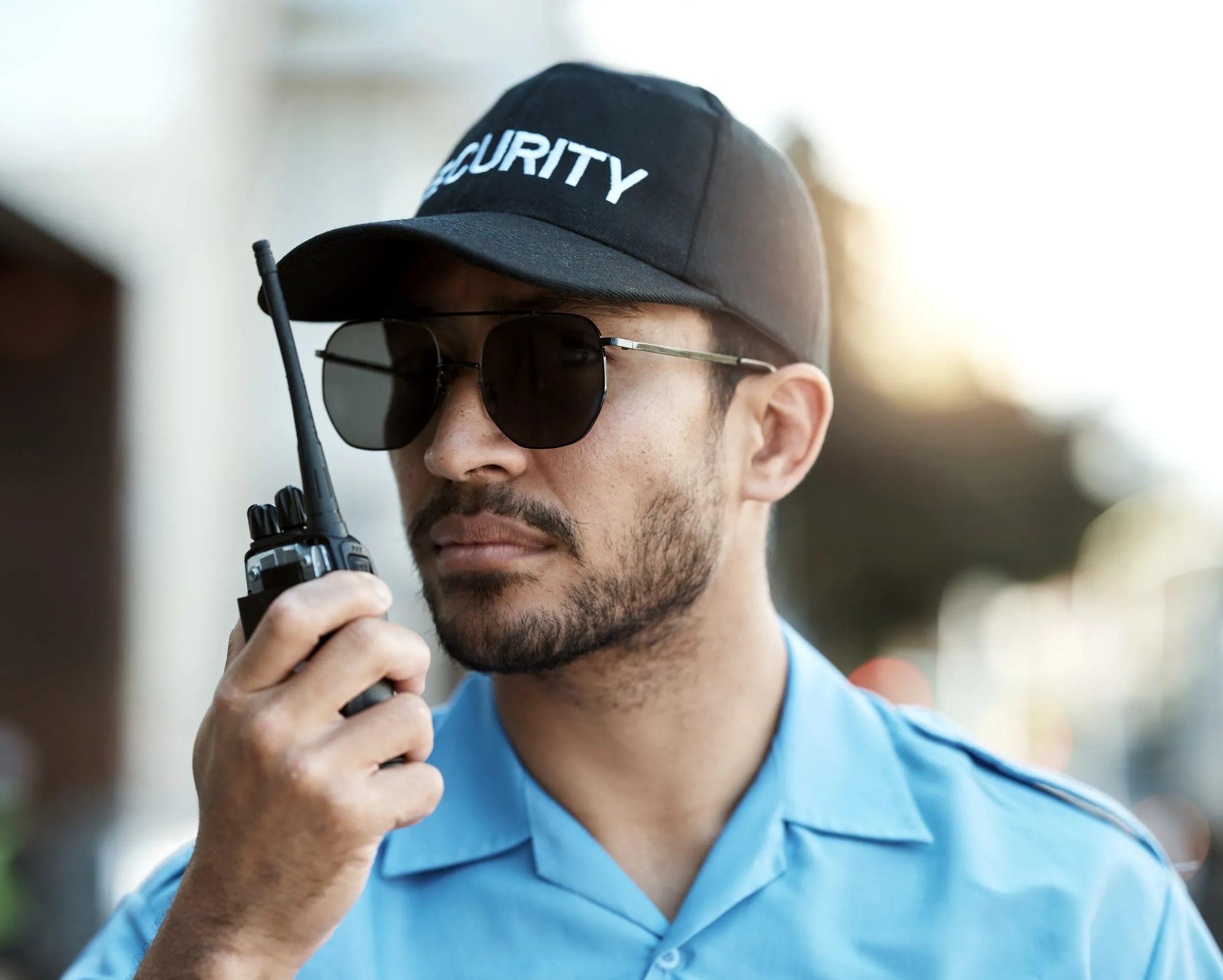
A funeral home’s security post is measured by how little anyone notices it. Price Protection’s officers work visitations and services in a plain dark uniform or a suit as the director prefers, inside the entrance, greeting as staff would, and the post orders are written with the director around the one thing the family is worried about. When that person arrives, the director speaks and the officer stands close and calm; the person leaves; the family does not see a scene.
The briefing
Every service starts with the director and, where there is a concern, the family’s representative: who is not to be admitted, with a photograph where possible, how the family wants it handled, whether there is a history of conflict among the attendees, the chapel and the lot, the procession’s route. The officer’s position and manner follow the briefing. Officers assigned to funeral work are chosen for it.
The lot and the procession
Visitations fill the lot for hours and the officer walks it between arrivals, because cars full of purses and packages in an unwatched lot are the everyday loss. A large service overflows onto the street and a vehicle works the rows. When the procession leaves, the officer manages the departure and stays until the family has gone, then confirms the building with the director. Graveside services are covered by the same officer following the procession or meeting it at the cemetery.
The building overnight
A funeral home is known, quiet and lightly staffed at night, and holds what families have entrusted to it. An overnight officer or a patrol checks the building, the vehicle bays and the lot on a schedule with rounds logged, and the director reads the report in the morning. Vehicles left in the lot overnight by the family are noted on each round, and a delivery to the bays outside hours is refused unless the director has arranged it, so the director knows what came and went while the building was closed.
Arranging coverage
Funerals are arranged in days, and so is coverage. Dispatch takes the details from the director: the service, the date and hours, the family’s concern, the lot, the procession and whether an armed presence is expected. An unarmed officer can typically be arranged within hours, the briefing happens before the doors open and the report follows the service.
How we cover it
Every service, applied to this post.
- Unarmed security guards
An unarmed officer in plain dark uniform or a suit, as the director prefers, at the door for a visitation or a service, working with the director on the family's concerns, watching the lot and staying through the departure of the family.
- Armed security guards
Where the director or the family expects a threat, a commissioned officer works the door or the chapel entrance under post orders written with the director, positioned discreetly and instructed to observe, report and call the police.
- Vehicle patrol
A marked or unmarked vehicle in the lot during a visitation or a service, working the rows, the street overflow and the procession's departure, and an overnight patrol of the building and the vehicle bays where the director wants it.
- Access control
The family's instructions on who may not attend are applied at the door with the director, quietly. Staff entrances and the vehicle bays are checked on rounds.
- Incident reporting
A short report to the director after each covered service and each overnight shift: attendance flow, the family's concern and how it was handled, lot incidents, doors and the building overnight.
A typical post
What a shift looks like here.
The officer arrives before the visitation and meets the director and the family's representative in the office: the person who is not to be admitted, with a photograph, the family's preference that nothing be made of it, the chapel doors, the lot. The officer takes a position inside the entrance, dressed as the director asked.
Through the visitation the officer greets, watches the lot from the door and walks it twice, and speaks quietly with a visitor who is arguing with a relative in the lobby, who steps outside. The person from the photograph arrives; the officer and the director meet him at the door, the director speaks, the officer stands close and calm, and he leaves. It is logged with the time.
At the service's end the officer works the procession's departure from the lot and stays until the family has gone, then confirms the doors with the director. The report is a page: the arrival at the door, the argument, the lot, the times.
Reporting
What the daily report covers here
Every client receives a written report each day, and officer performance is reviewed and documented daily. This is what the report records on this kind of post.
- Attendance flow at the door and the lot, with times
- The family's concern: arrival, how it was handled, outcome
- Arguments and disturbances in the lobby, chapel or lot, and the outcome
- Lot rounds and vehicles of interest during the service
- Procession departure and the building's doors afterward
- Overnight rounds: doors, vehicle bays, lights, anything found
- Police contact, if any, with the time and reason
How discreet is the officer?
As discreet as the director wants: a dark uniform without markings or a suit, a position inside the entrance rather than at the curb, and a manner suited to a grieving family. Most attendees see a staff member at the door.
How is the person the family is worried about handled?
The family's representative briefs the officer and the director before the service, with a photograph if possible. At the door the director speaks and the officer stands close and calm; the person is asked to leave, and the police are called only if they will not.
Can you cover a graveside service?
Yes. The officer follows the procession or meets it at the cemetery, works the approach and the cars, and stays with the family through the service, coordinating with the cemetery's staff.
Do you cover the funeral home overnight?
Yes. An overnight officer or patrol checks the building, the vehicle bays and the lot on a schedule, with each round logged and the report to the director in the morning.
How much notice do you need?
Funerals are arranged quickly and so is coverage. Dispatch takes the details from the director, an unarmed officer can typically be arranged within hours, and the briefing happens before the doors open.
Related pages
Industries we serve
Insights
Glossary
Request a proposal
Request a proposal for funeral homes.
Two short steps. Dispatch reviews every request and calls you back about coverage. For urgent unarmed coverage we can typically staff most sites within hours.
24-hour dispatch
(281) 326-9189