
Fire watch and compliance
Planned Impairments: Scheduling Fire Watch Around System Testing
By Price Protection SecurityReviewed TX DPS Lic #B09430601
Short answer
A planned impairment is one the building can see coming: annual sprinkler and alarm testing, a fire pump flow test, a riser replacement or a tenant build-out with a known start date. Booking the fire watch to the contractor's schedule, rather than waiting for the valve to close, lets a supervisor write complete post orders before the first round and lets the coordinator group several testing events into one shorter impairment window instead of several separate ones through the year.
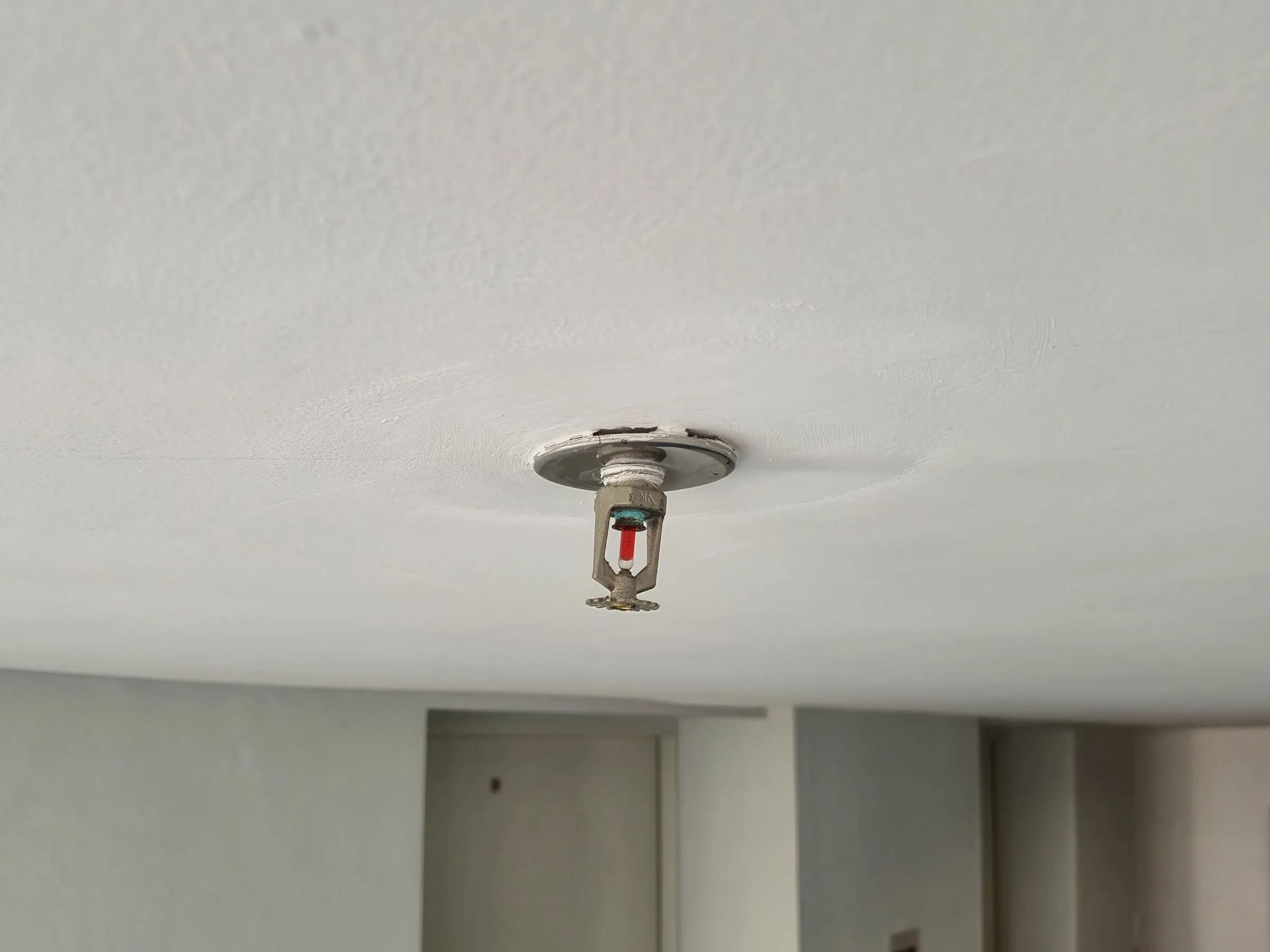
Most fire watches do not start with a burst pipe or a dead panel. They start with a calendar entry: the annual sprinkler inspection is due, the fire pump needs its yearly flow test, a tenant’s floor is being fitted out and the plans call for relocating heads. A planned impairment gives a building something an emergency never does, time, and the buildings that use that time well end up with shorter, better-documented watches than the ones that wait for the valve to close before calling.
What makes an impairment planned rather than emergency
A planned impairment has a known start date, a contractor already under contract, and usually a rough estimate of how long the system will be down. Annual and periodic testing required by the building’s own fire protection maintenance program, five-year internal pipe inspections, fire pump churn tests, standpipe flow tests, alarm panel replacements ordered in advance, and tenant build-outs with a construction schedule all fall into this category. An emergency impairment, by contrast, starts the moment something fails: a frozen pipe, a forklift strike, a panel that goes into trouble overnight. The watch itself is staffed the same way either way, but a planned one lets the post orders, the coordinator’s notifications and the log’s header all be prepared before the system actually goes down rather than assembled while the clock is already running.
Grouping tests instead of scattering them
Buildings often end up with more separate impairments than they need, not because the work requires it but because different vendors schedule independently: the sprinkler contractor picks a date for the annual inspection, the alarm company picks a different date for its own test, and the fire pump vendor picks a third. Each of those, run separately, is its own watch with its own booking and its own log. A coordinator who tracks all three on one calendar and asks the vendors to work the same week, or the same two consecutive days, turns three short impairments into one, with one continuous watch instead of three bookings spread across the year. This takes advance planning rather than reacting to whichever vendor calls first, and it is the single biggest lever a building has over how many fire watch hours it needs in a year.
| Planned event | Typical trigger | What usually varies |
|---|---|---|
| Annual sprinkler inspection and test | Required maintenance program | Duration depends on building size and whether deficiencies are found |
| Five-year internal pipe inspection | Periodic code-driven inspection | Can extend significantly if internal corrosion requires repair |
| Fire pump churn or flow test | Annual performance testing | Usually brief unless the pump fails the test |
| Alarm panel replacement or upgrade | Planned capital project or end-of-life equipment | Often the longest planned impairment, sometimes days |
| Tenant build-out with head relocation | Construction schedule | Duration set by the contractor’s phasing, can move zone to zone |
What dispatch needs before the day
A complete booking gives dispatch the contractor’s name and scheduled start and end times, the system and the zones or floors it affects, whether the fire department and fire code official have already been notified, the round interval if one has been set, and the coordinator’s contact. With that, a supervisor drafts full post orders before the officer arrives rather than on the drive over, and the log’s first entry is the scheduled start time rather than a scramble to record it after the fact. This is a summary, not legal advice; the fire marshal’s expectations for a specific building’s planned outage are worth confirming directly.
When the planned work runs long
Contractors’ estimates are estimates, and a planned watch that was booked for an afternoon sometimes runs into the evening, or a day into a week. The watch simply extends on the same terms, with relief officers scheduled if it crosses into overnight coverage, and the coordinator keeps dispatch updated as the contractor’s own timeline moves. Because the impairment was planned, the extension is usually easier to staff than an emergency’s would be, since officers were already briefed on the building and the post orders do not need to be rewritten from scratch.
The restoration test that closes the file
A planned impairment does not end when the contractor packs up tools; it ends when the system is tested and the coordinator, and where required the fire marshal, confirm restoration. For a sprinkler system that usually means a flow test at the affected risers; for an alarm system, an end-to-end signal test with the monitoring company. The officer’s closing log entry records that confirmation, not just the contractor’s departure, and the completed log goes into the building’s impairment file alongside the vendor’s own service report.
Coordinating across multiple buildings on one property
A campus or a portfolio with several buildings under one owner faces a version of this problem at a larger scale: each building may have its own testing calendar, its own vendor relationships and its own coordinator, and without a shared view across the portfolio, the same vendor can end up scheduling impairments at three different buildings in three different weeks when one combined visit would have covered all three with a single mobilization. A regional facilities manager who reviews testing dates across the portfolio, not just building by building, can often negotiate a vendor’s schedule to cluster nearby properties, and can book fire watch coverage across all of them as one arrangement with dispatch rather than three separate calls placed weeks apart.
What a coordinator brings to the first planning call
The most useful planning conversation happens before any vendor has been booked at all: a coordinator who calls dispatch with the building’s testing calendar for the coming year, even in rough form, gets a sense of which months are likely to need coverage and can flag scheduling conflicts, like a planned impairment falling during a holiday week when relief officers are harder to arrange on short notice, well before it becomes a problem. This kind of advance conversation costs nothing and commits the building to nothing; it simply moves the planning conversation earlier, from the week before the contractor arrives to the season before, which is when a coordinator still has room to move a date if it turns out to conflict with something else on the property’s schedule.
Building a habit around the calendar
Buildings that get the most value from planning their impairments treat the fire protection maintenance calendar as a single document reviewed at least once a year, with every vendor’s due date on it, rather than a set of separate reminders each vendor manages on its own. A coordinator who reviews that calendar each quarter can call dispatch weeks ahead of a testing window, ask about grouping nearby dates, and book officers before the vendor even confirms a specific day, adjusting the exact hours once the contractor’s schedule is set. That habit is what turns fire watch from a recurring emergency call into a predictable, budgeted part of the building’s maintenance year.
Questions
Related questions
How far ahead should several planned impairments be scheduled together?
As soon as the building knows more than one vendor's testing falls in the same season. A coordinator who learns the fire pump test and the standpipe flow test are both due within a few weeks of each other can often ask both vendors to work the same week, turning two separate watches into one.
Does the fire marshal need to approve a planned schedule in advance?
Notification happens close to the work, not months ahead, but the fire code official's general expectations for a planned outage are worth confirming before the contractor is booked, especially for a building whose insurer or lender also sets conditions on how planned shutdowns are handled.
What if the contractor's test finds a problem mid-watch?
The watch continues on the same terms while the scope grows. A five-year internal pipe inspection that turns up corroded sections and adds days to the contractor's estimate simply extends the watch; the coordinator updates dispatch and the log continues without a gap.
Can a planned watch be canceled if the contractor postpones?
Yes, with notice before the officer is dispatched there is no charge for time not worked, and a postponed date is simply rebooked. Tell dispatch as soon as the contractor's schedule changes, in either direction, since officers are often held for other bookings around a confirmed date.
Related pages
Insights
Answers
Resources
Request a proposal
Request a proposal for your property.
Two short steps. Dispatch reviews every request and calls you back about coverage. For urgent unarmed coverage we can typically staff most sites within hours.
24-hour dispatch
(281) 326-9189