
Fire watch
24-Hour Fire Watch Coverage
A watch that never has a gap: officers relieve each other on the floor, sign the same log, and keep the interval through the night and the weekend.
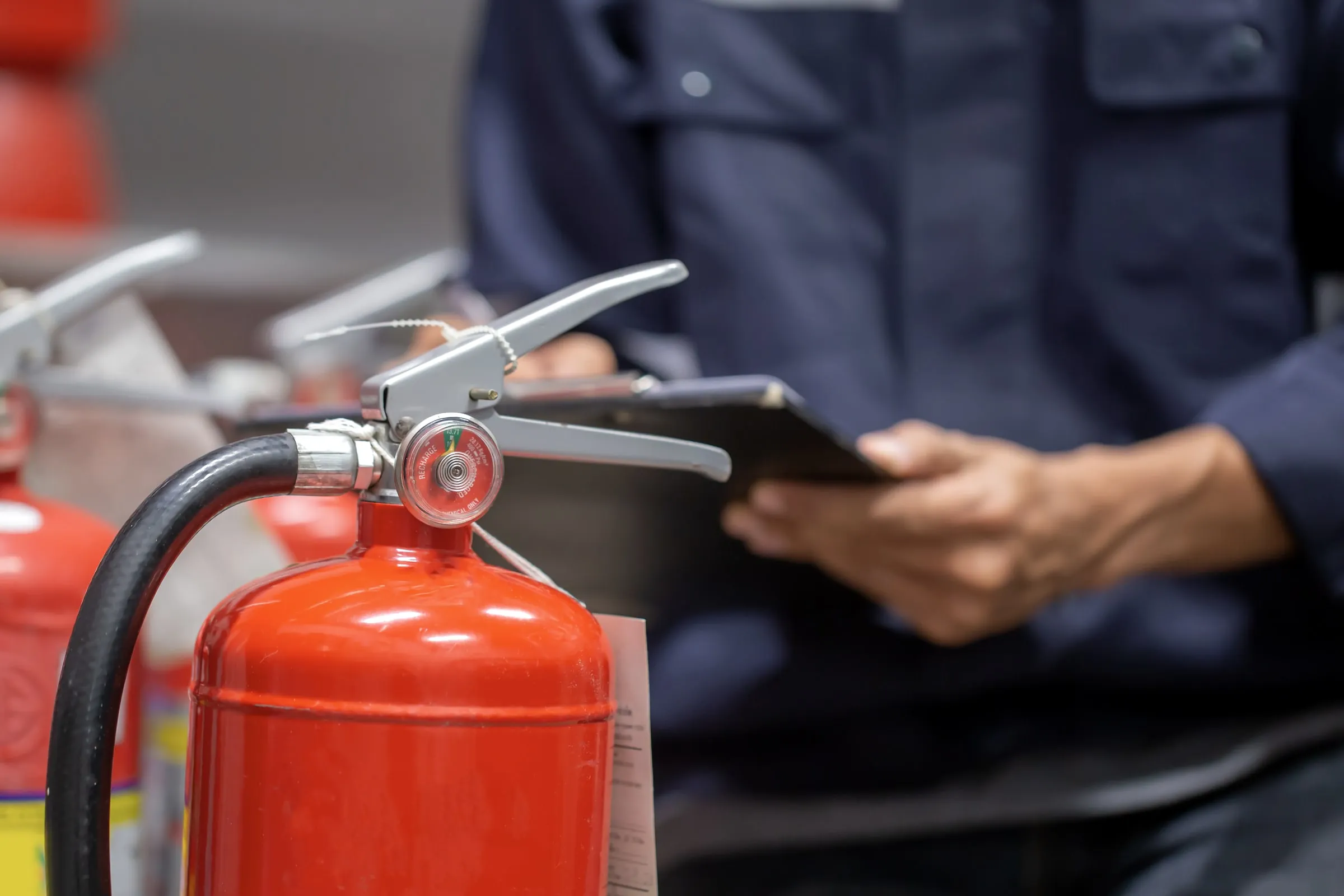
A 24-hour fire watch is a fire watch organized as continuous coverage: officers on rotating shifts, relieving each other on the floor, walking the same route on the same interval through every hour of an impairment that lasts longer than a single shift. Price Protection runs round-the-clock watches for Houston buildings whose sprinkler, alarm or standpipe system will be out for days, and for sites that have no one of their own on the premises at night.
Three shifts, one watch
The unit of planning is the impairment, not the shift. Dispatch takes the contractor’s estimate, the interval the Fire Marshal’s Office has set and the size of the area, and builds a roster that covers all of it: who starts, who relieves, who covers the weekend, and who steps in if an officer is sick. Each officer works a shift of a length that keeps them alert on the floor. The post orders are the same for all of them, so the route walked at three in the morning is the route walked at three in the afternoon, and the log shows no difference between the two except the hour. IFC 901.7, as Houston applies it, keeps the watch in place until the system is restored, and until includes the nights. This is a summary, not legal advice.
The handover
Most gaps in a long watch happen at shift change, so the handover is written into the post orders as a step of its own. The incoming officer arrives before the outgoing one leaves. The two walk the last round together or, at least, meet at the post and go through the open items: a door that will not latch, a contractor who said they would be back, a resident who complained about the smell of solvent on the fifth floor. Both sign the log. The new officer’s first round starts at once, so the interval is kept across the change rather than reset by it. The fire watch logs page shows how the pages are numbered and reviewed so that a week of shifts reads as one record.
Rounds at night
Night rounds are the reason a client asks for this coverage and the reason a supervisor pays attention to it. The building is quiet, the residents are asleep, and the officer is often the only person awake in it. The route at night includes the things that only happen at night: the dryers in the laundry room running on a timer, the space heater in the leasing office, the contractor’s equipment left charging in a stairwell. The supervisor calls the officer at times recorded in the log and visits the post during the watch. Dispatch is staffed all night, so the officer and the client both have someone to reach.
Long watches in Houston weather
A watch that runs for days runs through the weather. In summer that means heat on a roof, in a parking garage or in a building whose air conditioning is off with the power. In hurricane season it can mean rain for a week. The post orders name a place where the officer can cool down and dry off without leaving the covered area, and the roster is built so nobody is on a roof for a full shift in August. These are practical matters, but on a long watch they are the difference between a log that is kept and one that is not.
Who runs a round-the-clock watch
Hotel chief engineers and general managers during a fire pump replacement. Apartment and senior living managers whose alarm panel is waiting on a part. Hospital facilities teams during a phased sprinkler retrofit. Warehouse operators whose day crew leaves at six and whose system is impaired until a contractor returns next week. Owners of a building after a fire, where nothing works and nobody is inside. Call dispatch with the estimate and the interval; the roster is built the same day, and the first officer is on the floor before the first night.
When you need it
When 24-hour fire watch is the right call.
The repair will take days, not hours
A fire pump replacement, a riser that has to be cut out and re-piped, an alarm panel on back order. When the contractor's estimate is measured in days, the watch has to be planned as shifts, with reliefs, supervision and a log that survives every handover.
The building is occupied around the clock
Hotels, apartment towers, senior living, hospitals. There is no hour when the floors are empty, so there is no hour when the watch can stand down. The night shift matters most, because that is when residents are asleep and staff are fewest.
The interval cannot be allowed to lapse
The Fire Marshal's Office has set an interval and expects the log to show it was kept every hour of the impairment. A gap at shift change, or an officer who leaves at midnight because nobody relieved them, is a gap the fire code official will see.
The site has nobody of its own overnight
A warehouse with a day crew, a school over a holiday, a building after a fire, a construction site with temporary standpipes. When the last employee leaves, the watch is the only person in the building until morning.
Starting coverage
What dispatch needs to start.
- The contractor's estimate of how long the system will be out, and what will tell us it is back
- The interval the Fire Marshal's Office or your coordinator has set, and the floors or areas it applies to
- Where the officer can take a break out of the heat and the rain without leaving the covered area
- A contact for each shift, day and night, and who can authorize a change to the post orders
- Keys, fobs and elevator access that work at three in the morning as well as at noon

What the code says
- IFC 901.7
- Where a required fire protection system is out of service, the International Fire Code has the fire department and the fire code official notified at once, and where the official requires it the building is evacuated or an approved fire watch is provided until the system is restored. The building owner designates an impairment coordinator.
- Source: International Fire Code section 901.7, iccsafe.org
- Houston adoption
- The City of Houston adopts the International Fire Code with local amendments, and the Houston Fire Marshal's Office, as the authority having jurisdiction, sets the interval and the duration of a watch in a Houston building.
- Source: City of Houston, houstontx.gov
Summaries for planning, not legal advice. The authority having jurisdiction, in Houston the Fire Marshal's Office, decides what applies to a specific building.
How is the handover between shifts done?
On the floor, not in the parking lot. The outgoing officer walks the incoming one through the last round, points out anything open, and both sign the log with the time. The incoming officer starts the next round straight away so the interval is kept across the change.
Does the same officer stay for the whole watch?
No, and should not. A watch that runs for days is staffed by a rotation so that every officer on it is rested and alert. What stays the same is the route, the interval and the post orders, so the client and the Fire Marshal's Office see one watch, not a series of them.
What does the log look like after a week?
A numbered stack of daily pages, each with every round, every check and every handover signed, kept in one binder at the post. A supervisor reviews it daily, the client receives a copy with each morning's report, and the whole binder is available to the fire marshal on request.
Can a round-the-clock watch run on a site with no power?
Yes. The officer carries a flashlight and a phone with a charger, the route is walked with a light on the first shift so hazards are known, and the post orders say where the officer shelters and how the supervisor reaches them. Construction sites and buildings after a fire are the usual cases.
Who checks on the overnight officer?
A supervisor, by visit and by phone, at times recorded in the log. Dispatch is staffed around the clock, so the officer has someone to call at any hour, and the client has a number that is answered at three in the morning.
Related pages
Industries we serve
Insights
Glossary
Where we are
24-hour fire watch across Greater Houston.
Every area below is staffed and supervised from our Sugar Land headquarters. Open an area to see the property types, neighborhoods and questions we hear there.
24-hour dispatch
(281) 326-9189Fort Bend County
Sugar Land and its neighbors, closest to our headquarters.
Houston
Neighborhoods and business districts inside the city.
North and west
Katy and Cypress up to The Woodlands and Conroe.
South and east
Pearland and Clear Lake across to Pasadena and Baytown.
Request a proposal
Request a proposal for 24-hour fire watch.
Two short steps. Dispatch reviews every request and calls you back about coverage. For urgent unarmed coverage we can typically staff most sites within hours.
24-hour dispatch
(281) 326-9189