
Fire watch
Fire Watch Logs and Documentation
A watch that is not written down did not happen, as far as the fire marshal and the insurer are concerned. Ours is written down every round.
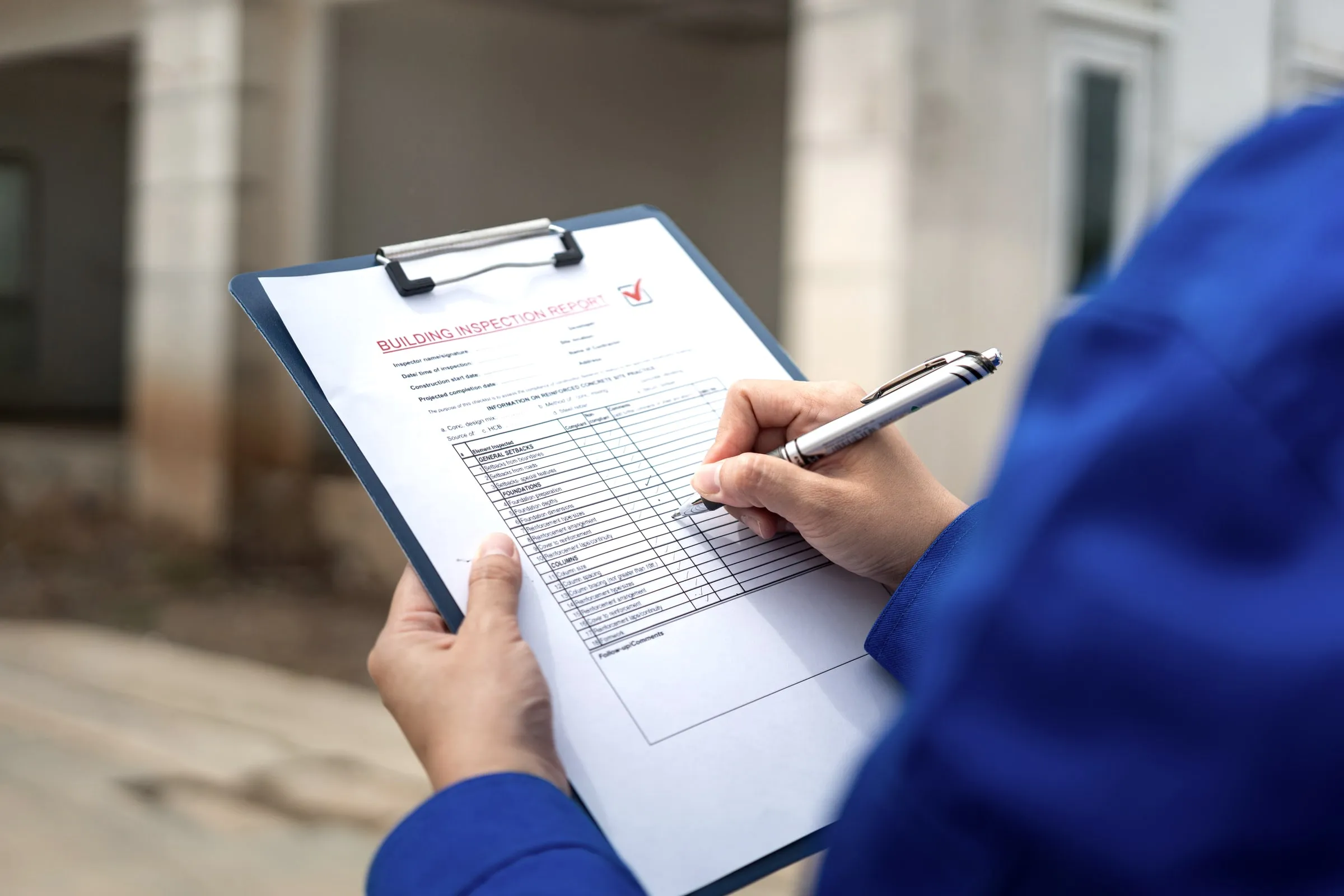
Fire watch documentation is the written record of a fire watch: when it started, what it covered, what each round found, who performed it, when officers changed and when it ended. Price Protection keeps that record on every watch it staffs in Houston, because the fire marshal, the insurer and the building’s own file all depend on it, and because a watch that cannot be shown to have happened is treated as if it did not.
Why the log matters more than it looks
During an impairment the building is operating on a promise: that trained people are doing what the sprinklers or the alarm would have done. The log is how the building keeps the promise visible. An inspector who arrives on the third day reads it and sees the rounds; an adjuster who arrives a year later reads it and sees that the conditions of the permit were met. On a hot work job the log is the companion to the permit, proving the watch stayed for the post-work period that OSHA and NFPA 51B require.
What our officers write
The header: the building, the address, the system that is impaired or the hot work under way, the authority’s conditions and the coordinator’s name. Then, for every round, the time, the floors or areas walked, the exits and equipment checked, the conditions found and the officer’s initials. Between rounds, anything that happened: a space heater found and removed, a contractor’s zone change, a call to the coordinator, a false alarm. At each change of officer, a handover entry with both names. At the end, the restoration and its test, or the end of the work and the post-work period, signed by the officer and the coordinator.
How the log is used afterwards
The original goes to the impairment coordinator or the permit holder for the building’s file. Price Protection keeps a copy. The fire marshal may ask to see it during or after the impairment; the insurer may ask for it in a claim; the building’s engineer may use it to show the next inspector that the last impairment was handled properly. This is a summary, not legal advice; the Houston Fire Marshal’s Office decides what a specific building’s documentation must contain.
Using the same structure yourself
Buildings that use their own staff for short daytime impairments can use the same log. The fire watch log template reproduces the structure with the fields explained, and the how to keep a fire watch log article walks through what an inspector looks for.
When you need it
When fire watch logs is the right call.
The fire marshal will ask for it
An inspector who finds a system impaired asks two questions: who is watching, and where is the log. The log has to show the rounds, the times, the areas and the officer, from the moment the system went down.
The insurer will ask for it later
Property policies and impairment permits carry conditions, and a claim after an impairment is judged partly on whether the watch met them. The log is the evidence, months after the officers have gone.
The hot work permit requires it
A hot work permit records the fire watch assigned, the start and end times and the post-work period. The watch officer's log is the permit's companion, showing the area was watched for the full time the permit and the standard required.
Two shifts have to agree
On a watch that runs for days, the log is how the night officer knows what the day officer found and how the coordinator knows the watch never broke. Handovers are entries, with both names.
Starting coverage
What dispatch needs to start.
- The building, the system or the hot work involved, and the authority's conditions if any have been set
- The round interval and the areas to be covered
- The names of the impairment coordinator or the permit authorizing individual
- How the log should be delivered at the end: paper, scanned or both

What the code says
- IFC 901.7
- An approved fire watch, where required by the fire code official during an impairment, is maintained until the system is restored; the log is the record of that watch, kept available to the fire code official.
- Source: International Fire Code, section 901.7, as adopted by the City of Houston with local amendments
- OSHA 29 CFR 1910.252(a)(2)(iii)
- Fire watchers are required during hot work where combustibles are within 35 feet of the work or otherwise exposed, and the watch is maintained at least 30 minutes after the work ends; the hot work permit and the watch record document the assignment and the times.
- Source: OSHA, 29 CFR 1910.252(a)(2)(iii)
Summaries for planning, not legal advice. The authority having jurisdiction, in Houston the Fire Marshal's Office, decides what applies to a specific building.
What does a fire watch log have to include?
The building and the impairment or hot work, the authority's conditions, and for every round the time, the areas covered, what was checked and what was found, with the officer's initials. Events, handovers and the restoration or end of the work are entered as well. The log is signed by the officer and the coordinator or permit holder.
How often are entries made?
Every round, at the interval the fire marshal or the coordinator set, and whenever something happens between rounds. A log with an entry every fifteen minutes on a fifteen-minute interval is what an inspector expects to see.
Who keeps the log after the watch?
The impairment coordinator or the permit holder receives the original for the building's file; Price Protection keeps a copy. Insurers and the fire marshal may ask for it long after the watch ended.
Is the log paper or electronic?
Either, by the client's preference and the authority's requirements. Paper logs are signed on the page; electronic logs are exported and signed. Both carry the same entries.
Do you provide a blank log we can use for our own staff?
Yes. The fire watch log template on this site is the structure our officers use, and it is free to adopt.
Related pages
Insights
Answers
Glossary
Where we are
Fire watch logs across Greater Houston.
Every area below is staffed and supervised from our Sugar Land headquarters. Open an area to see the property types, neighborhoods and questions we hear there.
24-hour dispatch
(281) 326-9189Fort Bend County
Sugar Land and its neighbors, closest to our headquarters.
Houston
Neighborhoods and business districts inside the city.
North and west
Katy and Cypress up to The Woodlands and Conroe.
South and east
Pearland and Clear Lake across to Pasadena and Baytown.
Request a proposal
Request a proposal for fire watch logs.
Two short steps. Dispatch reviews every request and calls you back about coverage. For urgent unarmed coverage we can typically staff most sites within hours.
24-hour dispatch
(281) 326-9189