
Careers and training
What a Fire Watch Shift Looks Like
By Price Protection SecurityReviewed TX DPS Lic #B09430601
Short answer
A fire watch shift is one job repeated on a fixed interval: walk every floor named in the permit or the fire marshal's conditions, check exits, extinguishers and hazards, then log the round with the time, the areas and the conditions found. The officer has no other post duty during those hours. The interval and route come from the client's permit, not the officer's judgment.
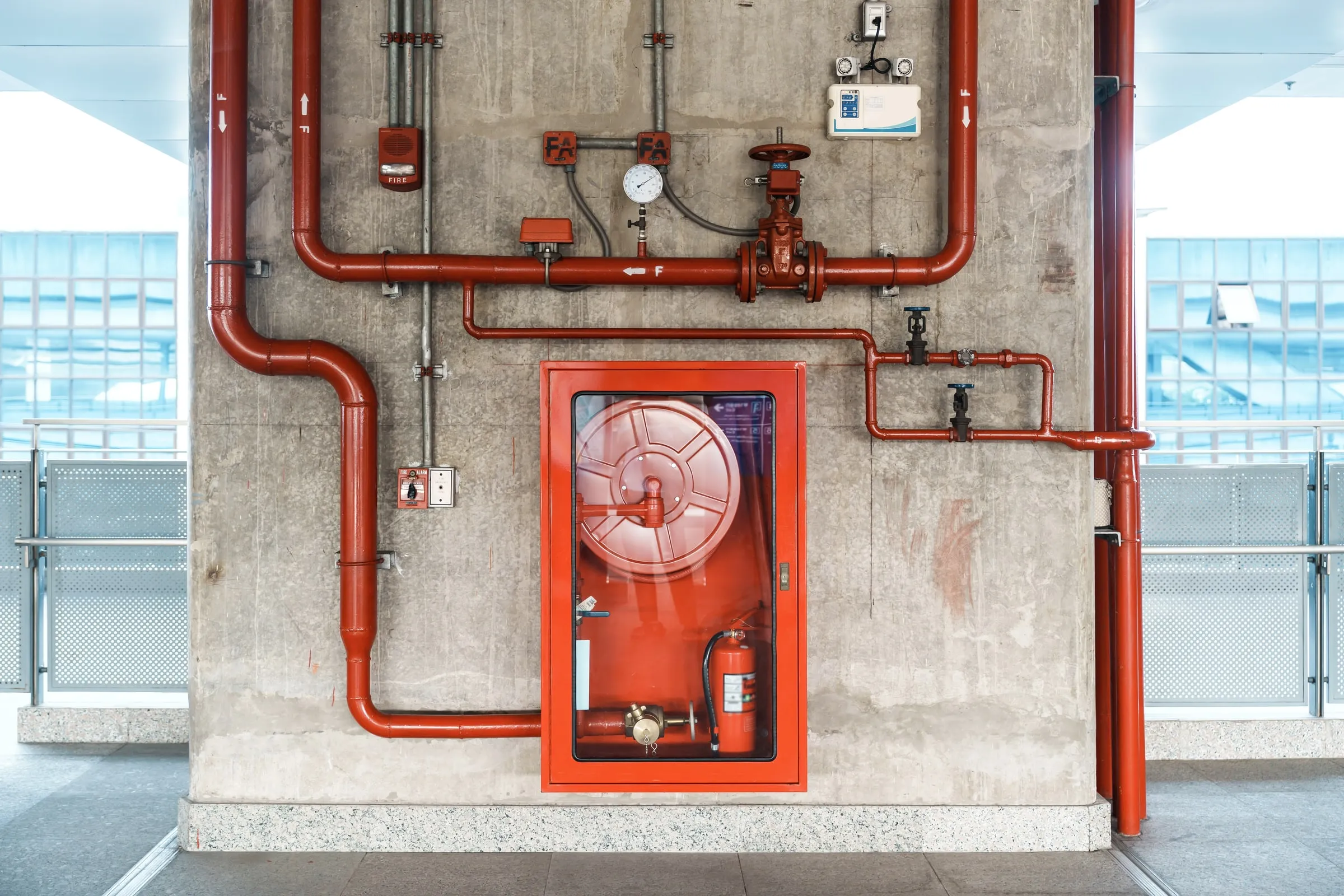
The watch begins with the permit, not the building
Before a fire watch officer sets foot on a floor, the assignment is defined by paperwork the officer did not write: a hot work permit for welding, cutting or brazing, or the fire marshal’s conditions for a sprinkler or alarm system that is out of service. That document sets the areas to be covered, the interval between rounds, and how the officer sounds an alarm if something is found. The officer’s first task on arriving is to read it, confirm the boundaries of the watch, and walk the route once to see it before the clock starts on the first logged round.
This matters because a fire watch is not a general patrol with fire in mind. It is a specific, bounded assignment: these areas, this interval, until this system is restored or this hot work is far enough past completion that the risk has passed.
Every round follows the same checklist, floor by floor
Once the watch is running, the shift is a repeating cycle. The officer walks every floor and area the permit or the fire marshal’s conditions name, checking exits are clear and unobstructed, extinguishers are in place and within their inspection window, and there is no smoke, heat, unusual smell or sign of a hazard developing. On a hot work watch, the officer also checks for sparks or embers in the areas near the work, since OSHA’s rule exists precisely because materials that look safe when the welding stops can still smolder afterward.
| Round element | What is checked |
|---|---|
| Exits and egress routes | Clear, unlocked where required, unobstructed by stored material |
| Extinguishing equipment | Present, accessible, within inspection date |
| Hot work area (if applicable) | No sparks, embers or smoldering material near combustibles |
| General conditions | No smoke, unusual heat or odor, no new hazard since the last round |
Nothing about this checklist changes from round to round. What changes is the finding, and the finding is what gets written down.
The log is the point of the shift
Every round is entered with the time, the areas covered and the conditions found, whether or not anything unusual turned up. A fire watch log that only records exceptions is not a usable log, because there is no way to tell later whether a round that found nothing wrong ever actually happened. The log the officer keeps is the document the fire marshal reviews on request, and for a system impairment it is often the only record that the coverage a permit required was actually delivered for the full window.
This is different from most other posts, where the daily activity report covers a wide range of observations across a shift. On a fire watch, the log is narrower and more repetitive by design, because the value is in the consistency of the record, not its variety.
Why the interval cannot be treated as a suggestion
OSHA’s rule for hot work fire watches sets a floor of at least 30 minutes of continued watch after the work ends, because heat retained in metal or embedded in nearby material can ignite something well after the torch or the welder has stopped. NFPA 51B’s 2019 edition sets a longer floor, at least one hour, with the permit-authorizing individual able to require more. Where the two differ, the client’s permit and the authority having jurisdiction decide which window applies, and Price Protection staffs whichever one the permit sets. This is a summary, not legal advice; the permit is the controlling document for any specific job.
A fire watch officer treats the interval the same way regardless of which standard set it: as a floor, not a target. Ending the watch early because nothing has happened yet defeats the purpose of the rule.
A shift that runs on short notice more often than a patrol post does
Fire watch assignments differ from most patrol posts in how they start. A sprinkler system going out of service or a hot work job getting scheduled can trigger a need for coverage with very little lead time, and officers assigned to fire watch are trained in rounds, log-keeping and alarm procedures specifically so they can be deployed quickly once a permit or an impairment notice is in hand. Some watches run a single shift; others continue for days while a system is repaired, in which case the handover between officers works the same way it does on any other post, a pass-down and a log that carries forward without a gap.
What the shift asks of the officer that a patrol post does not
A fire watch is less varied than a patrol post and more exacting about consistency. There is no resident to greet, no gate to work, no vehicle round to plan. What there is instead is a single responsibility that cannot be allowed to slip even once, because the entire reason the watch exists is that the building’s normal fire protection is not available. Officers who do this work well are the ones who treat round forty the same as round one, at two in the morning the same as at nine at night.
Readers deciding between assignment types should compare this shift to what a residential patrol shift looks like. The fire watch log article goes deeper into what the written record needs to include, and applicants interested in fire watch assignments can apply through the application page.
Questions
Related questions
What is the officer actually watching for on a round?
Smoke, heat, unusual smells, sparks or embers from any hot work still cooling, blocked exits, and extinguishers that are missing, discharged or out of their inspection date. Anything outside normal gets logged and, if it rises to a hazard, escalated immediately.
Does the officer do anything else during the watch?
No. A fire watch is the officer's only assignment during those hours; they are not also covering a gate or a lobby at the same time. That is part of what the permit and the post orders are protecting.
What happens if the officer finds an actual fire?
Sound the alarm, call 911, and use the extinguishing equipment on hand only if it is safe and appropriate to do so, then notify dispatch and the client contact. The fire watch officer's job is to catch a problem early and get the right response moving, not to fight a fire alone.
Who sets how long the watch runs?
The client's hot work permit or the fire marshal's conditions for a system impairment set the minimum, and the authority having jurisdiction decides if it runs longer. Price Protection staffs whatever window the permit sets.
Related pages
Services
Insights
- What a Security Guard Shift Looks Like at an Apartment Community
- How Fire Watch Rounds Work: Intervals, Routes and Checkpoints
- How to Keep a Fire Watch Log That Passes Inspection
- Commissioned vs Non-Commissioned Work: Pay, Duties and Requirements
- From Security Guard to Supervisor: Growing With Price Protection
- How to Become a Security Guard in Texas
Answers
Glossary
Request a proposal
Request a proposal for your property.
Two short steps. Dispatch reviews every request and calls you back about coverage. For urgent unarmed coverage we can typically staff most sites within hours.
24-hour dispatch
(281) 326-9189