
Careers and training
What a Security Guard Shift Looks Like at an Apartment Community
By Price Protection SecurityReviewed TX DPS Lic #B09430601
Short answer
A courtesy officer's shift at an apartment community starts at check-in with dispatch and a read of the pass-down notes, moves into a full property round covering the pool, mail and package areas, breezeways and lots, continues with a posted-hour pool closing and staggered rounds through the night at varied intervals, and ends with a handover and a closed daily report. Resident contact, logged checks and occasional calls fill the hours between rounds.
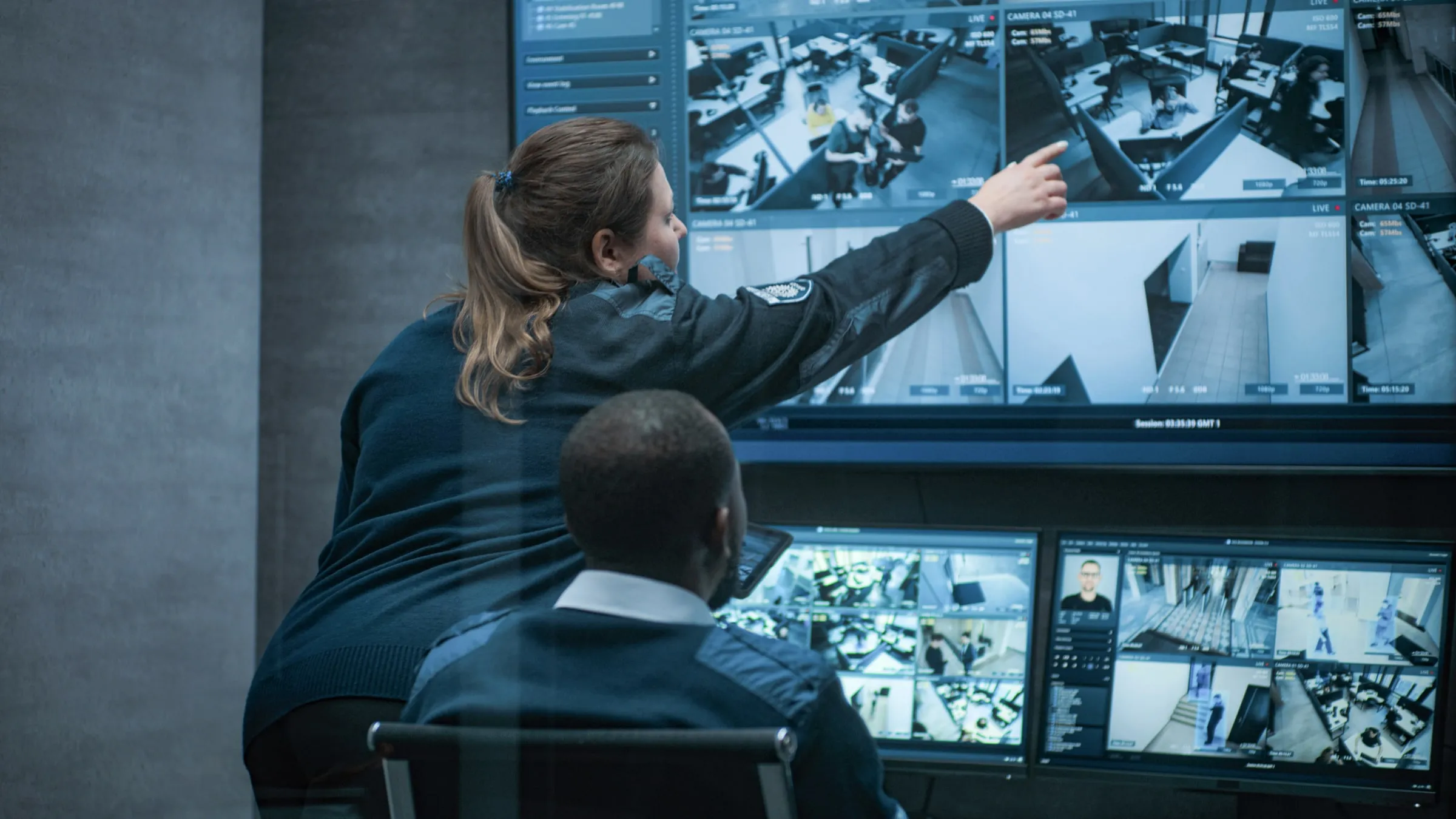
The shift starts before the first step onto the property
Every courtesy post begins the same way regardless of the community: the officer checks in with dispatch by phone, confirming the shift has started and that they are on-site, then reads the pass-down from the previous shift. The pass-down is short, usually a few lines: a light out that maintenance hasn’t fixed, a resident who called about a barking dog, a gate that stuck twice last night. It sets the officer’s attention before the first round even starts. If anything on the property has changed since the last shift, the officer re-reads the relevant section of the post orders, the property’s written instructions covering the route, the checkpoints, access rules, closing times and who to call for what.
The first round is the long one
At most garden-style communities the first round of the evening covers the whole property, not just a sample of it: the pool and its gate, the fitness room, the mail kiosk and package room, every laundry room, every breezeway and stairwell, the perimeter fence line and every parking lot including the ones tucked behind the last buildings. The officer tests the gates and doors that are supposed to be locked, notes any lights out for maintenance, and gets eyes on anything the pass-down flagged. This first pass takes longer than any round that follows it, because it is the one that establishes what normal looks like for the night.
Residents are out during this stretch, coming back from work, walking dogs, heading to the pool before it closes. The officer greets people, answers the occasional question about a package or a gate code, and starts to recognize the regulars within the first few weeks on a post. None of this is downtime; it is the visible presence the post exists to provide, and it is also when most of the small, resolvable issues get spotted, a car in the fire lane, a propped door at the mail kiosk, before they turn into something bigger.
The pool closes on schedule, every night
Amenities close at a posted hour, and the officer is the one who enforces it. At the pool this usually means a walk-through to clear anyone still there, a check of the gate latch, and a note in the log with the time. It sounds minor, but a pool that does not actually close on schedule is one of the most common sources of noise complaints and after-hours incidents at a multifamily property, and consistent enforcement is part of what a post is staffed to deliver.
Later rounds vary so the pattern cannot be set by a clock
After the first full sweep and the pool closing, the officer moves into a series of rounds through the rest of the night, hitting the same checkpoints but not on a fixed schedule. Post orders for most communities put an interval on the far lots, the secured building doors and any known trouble spots, roughly an hour, with the order and exact timing varied deliberately. A resident or a would-be trespasser who could set a watch by the officer’s rounds has effectively found a way around the post; varying the pattern is a basic, low-cost way to close that gap.
| Time of night | Typical focus |
|---|---|
| Early evening | Full property round, pool closing, heaviest resident contact |
| Mid-evening to midnight | Staggered rounds, courtesy line calls, amenity and breezeway checks |
| Overnight | Vehicle and lot checks, perimeter, response to anything the log has flagged |
| Early morning | Final round before handover, pass-down notes written for the next shift |
What actually generates a call during the shift
A loud gathering by a pool deck or clubhouse after hours is usually handled with a knock and a word, not a confrontation, following what the post orders authorize. A car sitting in a fire lane gets logged and, depending on the post orders, reported to the office or flagged for towing coordination. A person in a breezeway at an odd hour who does not live there and cannot explain their presence is approached and, where the post orders allow it, asked to leave the property. None of this is enforcement in the police sense; it is observation, a calm conversation, and a decision about whether police need to be called, all of it entered into the phone as it happens rather than reconstructed later from memory.
The handover closes the loop
The shift ends the way it began: a conversation, this time with the next officer or with dispatch, and a daily activity report that gets closed out before the officer leaves. Every round, contact, log entry and any incident from the night feeds into that report, which the property manager reads the next morning and which a supervisor reads against the post orders the same day. A courtesy officer who writes a specific, timed report, not “all quiet” but the actual list of what was checked and when, is the one whose work a manager can actually rely on and the one who tends to be considered first for a bigger post or more responsibility later on.
Officers curious how a fire watch shift compares to a residential patrol post should read what a fire watch shift looks like. The equipment article covers what goes on the belt for a post like this one, and applicants ready to start should apply through the application page.
Questions
Related questions
Does the officer patrol on foot or by vehicle?
It depends on the property's size, set in the post orders. A compact garden community is usually walked; a larger property with distant lots is usually covered by vehicle with foot rounds at the buildings and amenities.
What happens if a resident wants to talk during a round?
The officer stops and talks. Being approachable is part of the post, not a distraction from it, though a long conversation is noted in the log so the round's timing is accounted for.
Is the shift the same every night?
The stops are the same; the order and timing of the later rounds are varied on purpose so the pattern cannot be predicted. Weekend nights and move-in weekends bring more calls than a Tuesday in February.
What does the officer do between rounds?
Sits somewhere with a clear view of an entrance or the office, watches for anything unusual, answers the courtesy line if the property has one, and writes up the last round while it is fresh.
Related pages
Industries we serve
Insights
- What a Fire Watch Shift Looks Like
- Security Guard Equipment: What You Need on Day One
- How Many Security Guards Does an Apartment Community Need?
- Commissioned vs Non-Commissioned Work: Pay, Duties and Requirements
- From Security Guard to Supervisor: Growing With Price Protection
- How to Become a Security Guard in Texas
Answers
Glossary
Request a proposal
Request a proposal for your property.
Two short steps. Dispatch reviews every request and calls you back about coverage. For urgent unarmed coverage we can typically staff most sites within hours.
24-hour dispatch
(281) 326-9189