
Security for Corporate and Extended-Stay Housing
Coverage for a community whose residents change monthly: access that follows the reservation, a patrol that knows who belongs and a report to the operator.
Request a proposalThe situation
What an extended-stay community deals with
Nobody knows the neighbors
Residents arrive for a month, a project or a treatment and leave. Nobody recognizes anyone, so the person carrying a television out of a breezeway at noon draws no attention at all.
Keys and codes that outlive the stay
Fobs, gate codes and door codes are issued for each stay and not always retrieved. Over a year, hundreds of people who no longer live there can still get in unless the operator's system and the post work together.
Furnished units are inventory
Every unit holds furniture, televisions, linens and appliances the operator owns. A vacant furnished unit between stays is a stocked target with nobody watching it.
Guests who are not residents
Extended-stay units draw visitors, parties and occasionally people who are not on any reservation. The operator's guest policy needs someone applying it after the office closes.
A community with no regulars
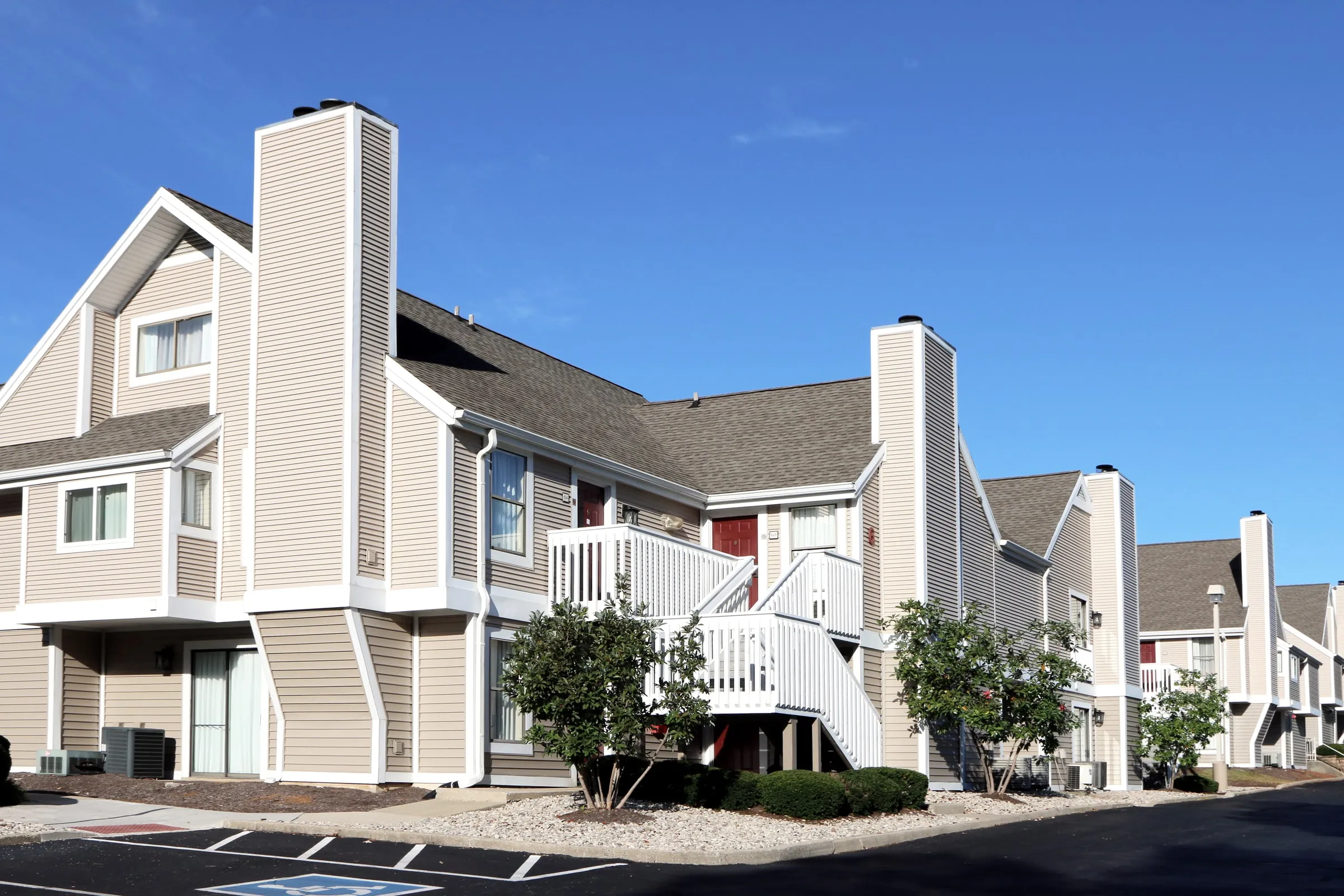
In an ordinary apartment community the residents are the first line of security: they know who belongs. In corporate and extended-stay housing they do not. Residents arrive for a month or a project, and the person carrying a television down the stairs at noon could be a resident checking out or a thief, and nobody can tell. Price Protection’s post replaces the missing regulars with a list and an officer: the current occupancy list from the operator’s system at every shift, and a courtesy officer who confirms people against it, checks the vacant furnished units and applies the guest policy.
Access that follows the reservation
Fobs, gate codes and door codes are issued per stay and not always retrieved, and an operator’s system is only as good as its expirations. The officer’s rounds test what the system should be enforcing: the pool reader that opens for anyone, the gate code that still works for a resident who left in March, the unit door that was rekeyed late. Each is reported and the operator corrects it. The post orders say how the officer confirms a resident, what the guest policy allows and who is called about a move-out at midnight.
The furnished vacancies
Every vacant unit is stocked: furniture, television, appliances, linens. The post orders list them for each shift, the doors are tested on every round and a unit found open is secured, photographed and reported that night so the operator can inventory it before the next arrival. Operators running several nearby properties cover them on a vehicle route with foot checks at each.
Working with the operator
The daily report is written for a manager whose residents change weekly: the contacts and their status on the list, the vacant unit checks, the access failures found, the guest contacts and the conditions. Over a month it shows the operator where the system leaks and which buildings draw visitors after hours, and the post orders are adjusted with it.
Starting coverage
Dispatch needs the community’s address and layout, the hours the operator wants, access to the occupancy list or the system, the key and code arrangements, the guest policy and the manager’s after-hours number. The supervisor walks the community with the manager, writes the post orders and the officer starts on the agreed night.
How we cover it
Every service, applied to this post.
- Unarmed security guards
An unarmed courtesy officer walking the community for the hours the operator chooses, checking breezeways, stairs, lots and amenity areas, contacting people who are not on the current occupancy list and applying the guest policy the operator sets.
- Access control
The current occupancy list and the operator's key and code system are the basis for access decisions: the officer confirms residents against the list, reports codes and fobs that should have expired, and checks vacant furnished units on rounds.
- Vehicle patrol
For communities spread across several buildings or for operators with several nearby properties, a marked vehicle covers the lots and the perimeter on a varied schedule and stops at each building on foot.
- Camera monitoring
The operator's cameras on the gates, the breezeways and the lots watched from the office or the vehicle between rounds, with clips pulled for the operator when a unit is found entered or an item missing.
- Incident reporting
A daily report to the operator's manager: rounds, contacts and their occupancy status, vacant unit checks, access issues found, guest policy contacts, maintenance conditions and anything the office asked the post to watch for.
A typical post
What a shift looks like here.
The evening officer takes the current occupancy list from the office: forty-two units occupied, eleven vacant and furnished, three checking out tomorrow. The first round walks every breezeway and stair, tests the doors of the eleven vacant units and logs them, and notes a fob reader at the pool gate that has been beeping open for anyone.
A group at the pool after closing includes two people not on the list; they are guests of a resident, the resident confirms, and the guest policy's hours are explained. A pickup backed up to a building at eleven is contacted; the driver is a resident moving out a day early, the office's list is checked and it is logged. The pool reader is reported for the morning.
Overnight the vacant units are checked again on a different route and a door found ajar is secured and photographed for the operator. The report lists the rounds, the guests, the pickup, the reader and the door.

Reporting
What the daily report covers here
Every client receives a written report each day, and officer performance is reviewed and documented daily. This is what the report records on this kind of post.
- Rounds with times and the buildings, breezeways and lots covered
- Vacant furnished units checked, with any found open or entered
- Contacts with persons not on the occupancy list and the outcome
- Guest policy contacts at the pool, the lots and the units
- Fobs, codes and readers found working when they should not, reported to the operator
- Move-outs and move-ins observed outside office hours, with the list checked
- Maintenance conditions: lighting, gates, doors, water
Questions
About corporate and extended-stay housing coverage.
Anything else? Call dispatch at (281) 326-9189.
How does the officer know who lives there this week?
The office provides the current occupancy list at each shift, or access to the operator's system. The officer confirms people against it and reports anyone who is not on it, and the list is the basis for every access decision.
Can the officer check vacant furnished units?
Yes. Vacant units are on the round, their doors tested and logged, and a unit found open or entered is secured, photographed and reported the same night so the operator can inventory it in the morning.
What about expired fobs and codes?
The officer reports readers, gates and doors that open for credentials that should have expired, and the operator's system is corrected. The post catches what the system misses.
Do you cover several properties for one operator?
Yes. Operators with several nearby communities use a vehicle route with foot checks at each, or a post at the largest and a patrol at the rest, under one contract with a report sectioned by property.
Do residents on short stays object to security?
Rarely. Most are here for work or treatment and want a quiet, safe building. The officer is courteous, explains the guest policy once and is generally thanked for it.
Related pages
Industries we serve
Insights
Glossary
Request a proposal
Request a proposal for corporate and extended-stay housing.
Two short steps. Dispatch reviews every request and calls you back about coverage. For urgent unarmed coverage we can typically staff most sites within hours.
24-hour dispatch
(281) 326-9189