
Security Guards for Self-Storage Facilities
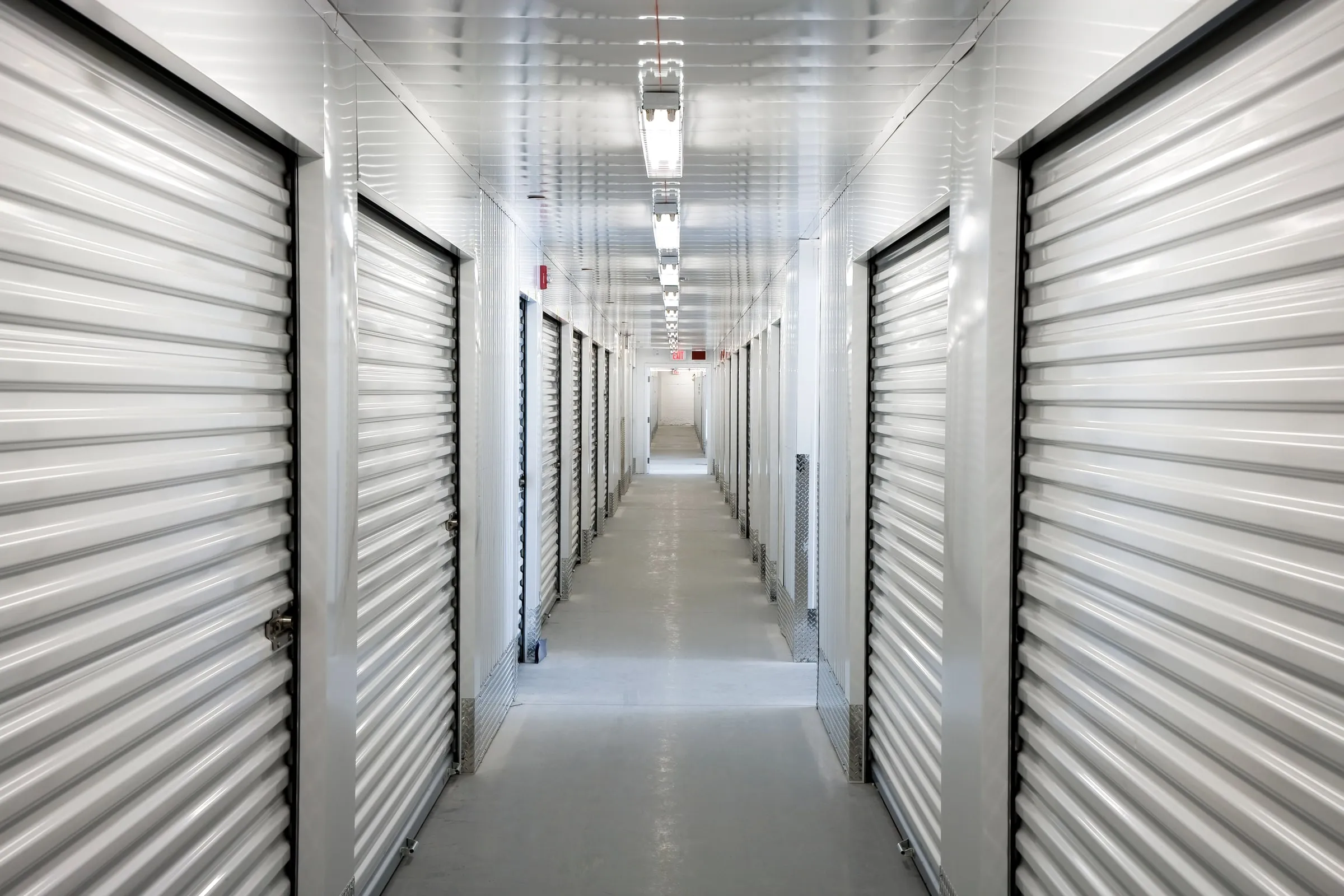
A round through the rows and corridors a keypad never walks, because a gate code controls who gets in, not what happens once they are inside.
Request a proposalThe situation
What a self-storage property deals with once the gate closes behind a tenant
A gate code is not a guard
A keypad or access card at the entrance controls who drives onto the property, but it has nothing to say about what happens after that, whether the person who entered goes to their own unit or spends twenty unwatched minutes at someone else's.
Rows nobody walks
A large facility can run hundreds of feet of corridor or drive-up row with no employee present most of the day, and a facility that relies on a leasing office at the front and cameras throughout has long stretches where a physical presence is the only thing missing.
Move-in weekends bring unfamiliar traffic
The first and last weekends of the month typically bring the heaviest turnover, movers, trucks and tenants the facility has never seen loading and unloading at once, which is also the easiest cover for someone with no legitimate reason to be there.
Delinquent units and lock-outs need a witness
A facility enforcing its lien process, cutting a lock or preparing a unit for auction, benefits from a documented, witnessed process rather than a manager acting alone, both for the tenant's protection and the facility's own record.
A gate code is not a guard
A keypad, an access card or a license-plate reader at the entrance answers exactly one question: does this person or vehicle have a code that works. It says nothing about where they go once inside, how long they stay at a unit that is not theirs, or whether the person who tailgated through behind them has any code at all. Price Protection treats the gate as the first layer, not the only one, and builds the post around a physical round through the property’s actual corridors and rows rather than trusting the access system to do the whole job on its own.
Rows nobody walks
A large self-storage property can run hundreds of feet of interior corridor or open drive-up rows with no employee present for most of the day, since the business model itself runs on a small staff at a front office rather than attendants throughout the property. Cameras help, but a facility that relies on them alone has long stretches where nothing is actually watched in real time, only recorded for later review. A scheduled walking or vehicle round closes that gap, catching a unit left open too long or a person spending unusual time at a door that is not theirs before it becomes a report the next morning.
Move-in weekends and delinquent units
The first and last weekends of the month bring the heaviest turnover most facilities see, movers and trucks the property has never encountered before, loading and unloading units at the same time in numbers the rest of the month does not approach. That volume is also good cover for anyone without a legitimate reason to be there, which is why coverage during these weekends tends to sit closer to the busiest rows rather than following the same fixed schedule as a quiet Tuesday. A facility enforcing its lien process on a delinquent account benefits from the same logic in reverse: a witnessed, documented lock-out protects both the tenant’s right to see the process followed correctly and the facility’s own record of it.
Working with the facility manager
The daily report gives the manager a record of rounds completed, units found open, and gate or access issues, independent of the gate log the software already keeps. Where a facility is part of a larger portfolio, that report format can be used across properties, giving an owner or regional manager a consistent way to compare which facilities see the most activity worth watching.
Starting coverage
To begin, dispatch needs the facility’s address, its layout including any RV or boat storage lot, the hours coverage is wanted, and the manager’s contact for gate and access questions. An unarmed officer can typically start walking rounds within hours of a signed proposal, with the schedule adjusted over the first weeks to match the property’s actual traffic pattern.
How we cover it
Every service, applied to this post.
- Unarmed security guards
An unarmed officer walks the corridors and drive-up rows on a scheduled round, checking that gates close properly behind vehicles, that units left open during business hours are attended, and that the property's actual traffic matches who the gate log says is on site.
- Access control
The officer supports the facility's gate and keypad system by verifying vehicles at the entrance during staffed hours, watching for tailgating behind a car whose code just opened the gate, and flagging access issues to the manager.
- Camera monitoring
Where the facility owns a camera system covering the gate, corridors and drive-up rows, the officer monitors it during the shift and can direct a round toward whichever row the cameras show activity in.
- Vehicle patrol
For a large property or one with an RV and boat storage lot in addition to standard units, a vehicle patrol covers ground a walking round cannot reach quickly, particularly during move-in weekends when traffic is heaviest.
- Incident reporting
The daily report lists rounds completed, gate and access issues, units found open or unsecured, and move-in or move-out activity, giving the manager a record independent of the gate log alone.
A typical post
What a shift looks like here.
The daytime officer walks the corridors and drive-up rows on a scheduled loop, checking that units left open by tenants actively loading or unloading are in fact attended, and that a gate that closed behind one vehicle did not stay open long enough for a second, unlogged one to follow.
Move-in weekends shift the pace: the officer works closer to the gate and the busiest rows, since the volume of unfamiliar trucks and tenants at once is exactly the cover that makes an unrelated theft or trespass hardest to notice without a physical presence in the corridors.
A lock-out or lien enforcement is handled with the officer present as a witness to the process, documenting the unit number, the time and the manager's own procedure being followed, which protects both the facility's record and the tenant's right to see the process done correctly.
Evening and closing rounds check that the gate has returned to its scheduled access mode, that no units remain open after hours, and the shift closes with a report noting anything the manager needs to know before the property opens the next day.

Reporting
What the daily report covers here
Every client receives a written report each day, and officer performance is reviewed and documented daily. This is what the report records on this kind of post.
- Corridor and row rounds completed, by section and time
- Units found open or unsecured outside business hours
- Gate or keypad issues, including tailgating observed
- Move-in and move-out activity, with unit numbers where relevant
- Lock-out or lien process witnessed, with the unit and time
- Vehicles or persons on the property without a matching access record
Does an officer walk every row, or only patrol by vehicle?
Both, depending on the property. A walking round covers corridors and drive-up rows where a vehicle cannot easily reach, while a larger facility or one with an RV and boat lot often adds a vehicle patrol to cover more ground within the same shift.
Can coverage focus on move-in weekends specifically?
Yes. Many facilities see their highest traffic and their highest risk on the first and last weekends of the month, and coverage can be scoped to those weekends rather than a full daily post if that matches the property's pattern.
Do you assist with lock-outs for delinquent accounts?
The officer can be present as a witness while facility staff follow their own lien and lock-cutting procedure, documenting the process in the daily report. The officer does not decide which units are delinquent; that remains the facility's own process.
How do you catch tailgating at the gate?
The officer working near the entrance during staffed hours, or the camera monitoring during unstaffed hours, watches for a second vehicle following a car through before the gate closes and flags it in the report even when nothing further happens.
Can you cover an RV and boat storage lot separately from the main facility?
Yes. These lots often sit apart from the unit corridors and see different traffic patterns, and a vehicle patrol round can cover that section on its own schedule within the same overall proposal.
Related pages
Industries we serve
Services
Insights
Glossary
Request a proposal
Request a proposal for self-storage facilities.
Two short steps. Dispatch reviews every request and calls you back about coverage. For urgent unarmed coverage we can typically staff most sites within hours.
24-hour dispatch
(281) 326-9189