
Security Guards for Data Centers
An officer who treats every door as a checkpoint, escorts every vendor without exception, and logs an access record precise enough to answer any audit.
Request a proposalThe situation
What a data center's access control demands beyond a normal office
Every door is a control point, not a convenience
A data center's value is almost entirely behind locked doors, and a facility that treats any single entrance as a shortcut, a loading dock left propped, a mantrap held open for a colleague, turns its whole access model into a formality rather than a control.
Vendors need access but never unsupervised access
HVAC technicians, electrical contractors and equipment installers are on site constantly, each authorized for a specific room or rack row, and a facility that checks a vendor in but does not escort them has no real record of where they actually went.
The mechanical yard is as sensitive as the server hall
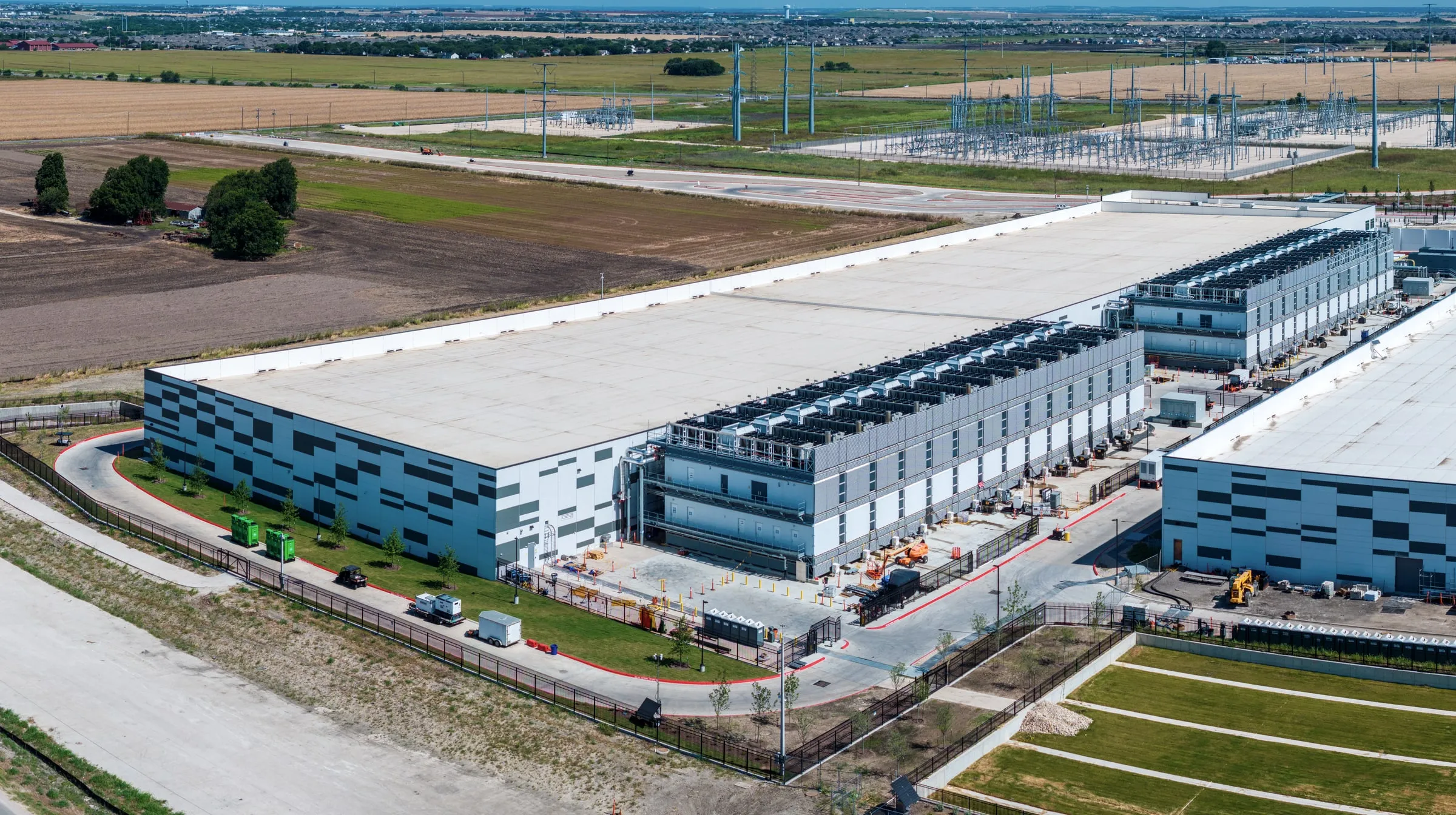
Generators, cooling units, fuel storage and the utility connection sit outside the building envelope, often behind a lighter fence than the server halls they support, and a facility focused only on the front door leaves its actual dependency exposed.
An access log is only useful if it is exact
A client audit or an incident review depends on knowing precisely who was in a specific space and when, and a log built from memory or an incomplete sign-in sheet cannot answer that question when a tenant or a client asks it.
Access is the entire job
A data center’s physical security is almost entirely about who is allowed through which door, and a post here is built around that single fact rather than a lobby’s usual mix of greeting and general watchfulness. Every badge presented at the mantrap is checked against the day’s authorized list before the officer releases the door, and a badge that works but is not on that day’s list is held rather than waved through on the assumption that the access system already did the checking. The post orders are written from the facility’s own access policy, not a general office script, because the consequence of a missed check here is different in kind from a missed check at a typical commercial building.
Escorted vendors and no exceptions
HVAC technicians, electrical contractors and hardware installers are on site constantly, and each one is authorized for a specific room or rack row, never the building in general. Where the facility’s policy requires an escort, the officer or a designated staff member stays with the vendor for the full visit, and the access log records exactly when that vendor entered a specific space and when they left it. A facility that only checks a vendor in at the front door has no real record of where they went after that, and an escorted policy consistently enforced is what closes that gap.
The mechanical yard and the fence line
Generators, cooling equipment, fuel storage and the utility connection typically sit outside the server halls, sometimes behind a lighter perimeter than the building itself, and a security post focused only on the front door leaves the facility’s actual operating dependency less watched than the space it supports. A patrol round through the yard on a set interval checks the fence line and equipment enclosures for anything out of place, since this ground depends on a physical check rather than a badge reader to be covered at all.
Working with facility operations
The facility manager and operations team set the access policy, the vendor list and the escort requirements, and the officer’s job is to enforce exactly what that policy says rather than exercise independent judgment about who seems trustworthy. Every shift change includes a line-by-line review of the access log between outgoing and incoming officers, so a vendor logged in without a matching log-out is caught immediately rather than discovered days later when a client asks for a record that does not add up.
Starting a post
To begin, dispatch needs the facility’s access policy and authorized vendor list, the specific rooms or zones that require an escort, the mechanical yard’s layout, and the operations contact for daily coordination. An unarmed officer trained to the facility’s access procedures can typically start within days of a signed proposal, with the first shifts focused on learning the badge system and the current vendor schedule before patrol rounds are added.
How we cover it
Every service, applied to this post.
- Unarmed security guards
An unarmed officer staffs the primary entrance and mantrap, verifying every badge against the day's authorized list before releasing a door, and holds anyone not on the list rather than assuming a working badge is enough on its own.
- Access control
Every vendor, contractor and visitor is checked against a pre-authorized access request tied to a specific room or rack row, and the officer confirms the escort requirement is met before the door is released, not after the vendor is already inside.
- Vehicle patrol
A patrol covers the mechanical yard, the fence line and the generator and cooling areas outside the building envelope, since these hold the facility's actual operating dependencies and are often less visible from inside than the server halls.
- Camera monitoring
The officer monitors the facility's own entrance, mantrap and yard cameras from the post, and the recorded access log is available to the operator for a client audit or an incident review without gaps.
- Incident reporting
The daily report is built around exact access records: every badge presented, every vendor escorted, every door held or overridden, and any yard or perimeter finding, formatted to match what a facility's own compliance process expects.
A typical post
What a shift looks like here.
The officer opens the shift by reconciling the day's authorized access list against the facility's current vendor and contractor schedule, confirming with the facility manager which rooms are open for work that day and which remain restricted regardless of who requests entry.
Through the day, every vendor arrival is checked against the authorized list before the mantrap or door is released, and where the work order requires an escort, the officer or a designated staff member accompanies the vendor for the duration of the visit rather than releasing them to work unsupervised.
A patrol of the mechanical yard runs on a set interval, checking the fence line, generator enclosures and cooling equipment for anything out of place, since these areas sit outside the tightly controlled interior and depend on a physical round rather than a badge reader to be watched at all.
At shift change, the outgoing officer reviews the day's access log line by line with the incoming officer, confirms every vendor logged in has been logged out, and any discrepancy is flagged to the facility manager before the next shift begins rather than carried forward unresolved.

Reporting
What the daily report covers here
Every client receives a written report each day, and officer performance is reviewed and documented daily. This is what the report records on this kind of post.
- Badge and access requests verified against the authorized list, by door
- Vendors and contractors escorted, with the room and time in and out
- Mechanical yard and perimeter rounds, with any discrepancy noted
- Doors held open or overridden, with the reason and who authorized it
- Access requests denied and the reason given
- Camera and mantrap system checks, with any fault reported to facilities
Do officers escort every vendor, or only some?
Escort requirements are set by the facility's own access policy and the officer follows it exactly: a vendor authorized for supervised access is escorted for the full visit, and one authorized for unsupervised access to a specific room is still checked in and out and logged.
Can you match our existing access control system rather than replace it?
Yes. The officer works from the facility's own badge, mantrap or biometric system and the authorized access list it produces, rather than an independent process, so the security post reinforces the existing control rather than duplicating it.
How exact is the access log you provide?
The daily report records every badge presented, every vendor escorted and every door held, with times, formatted to answer a client audit or an incident review directly rather than requiring the facility to reconstruct events from a general narrative.
Do you cover the mechanical yard as well as the building interior?
Yes, where the facility wants it. A patrol round covers the generator enclosures, cooling equipment and fence line outside the building, since this equipment is as critical to operations as anything inside the server halls.
Are your officers under confidentiality requirements for what they see on site?
Officers follow the facility's own confidentiality and no-photography policies as written into the post orders, and the company can work within a data center operator's standard visitor and vendor agreement rather than a generic security contract.
Related pages
Industries we serve
Service areas
Insights
Glossary
Request a proposal
Request a proposal for data centers.
Two short steps. Dispatch reviews every request and calls you back about coverage. For urgent unarmed coverage we can typically staff most sites within hours.
24-hour dispatch
(281) 326-9189