
Security Guards for Truck Yards and Terminals
A gate officer and a lot patrol that count tractors and trailers by row, check every driver against the terminal's list and log the yard before dawn.
Request a proposalThe situation
What a truck yard or terminal deals with overnight
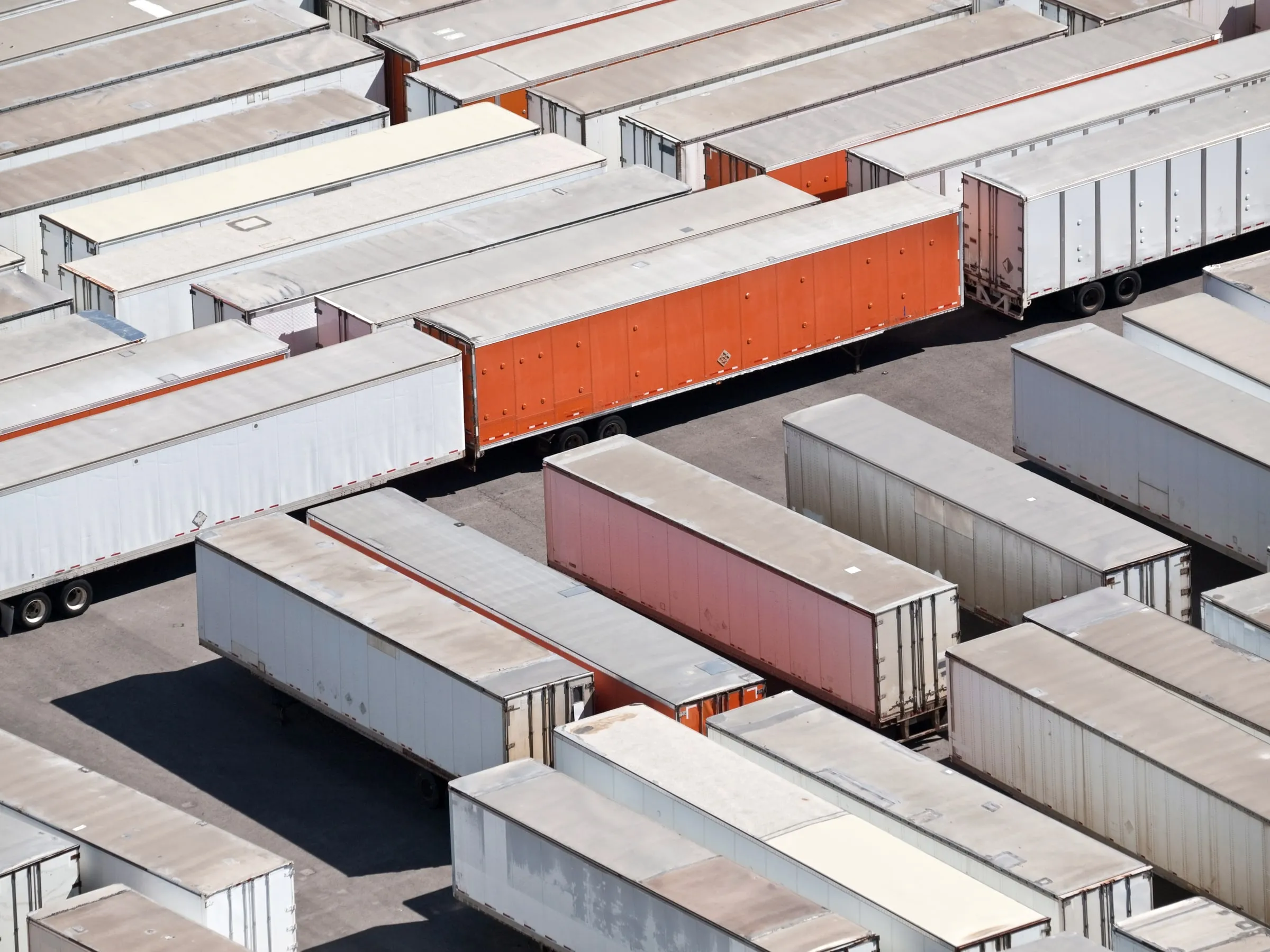
Rows of trailers look identical from the road
A terminal yard packed row after row makes one missing trailer hard to spot on a drive-through; only a count taken row by row against the yard sheet catches a trailer that left without a bill of lading or a dispatcher's release.
Drivers arrive and depart at every hour
Long-haul drivers check in for a load, drop a trailer, or pick up a bobtail tractor around the clock, and a terminal with no one at the gate overnight has no record of who was on the lot when a trailer went missing.
The fuel island and the shop draw people who do not belong there
Diesel, DEF and a maintenance shop full of parts and tools make the fuel island and the bay area a target on their own, separate from the cargo in the trailers parked nearby.
Cargo theft targets a loaded trailer left unattended
A trailer dropped for the night with a load still inside, especially a high-value or easily resold commodity, is worth more sitting in a dark yard than most of what is in the building behind it.
Counting a yard, not just watching a gate
A truck terminal’s security question is not really about who gets in, since most people arriving are drivers doing their job. It is about knowing how many tractors and trailers are actually on the lot at any given hour, and noticing the one that should not have left. Price Protection builds the post around a gate log and a row-by-row yard count, checked against the terminal’s own yard sheet rather than a visual guess from a moving vehicle.
Post orders written from the dispatch board
The post orders record how the terminal’s dispatch process actually works: which carriers have standing access, how a driver checks in for a load or a drop, which rows are assigned to which trailer types, and who at the terminal takes a call about a discrepancy at two in the morning. An officer working from a current dispatch list can hold a truck at the gate for a reason the terminal itself would give.
The fuel island and the shop are their own risk
A terminal yard is not only trailers. The fuel island, the DEF tank and a maintenance shop stocked with parts and tools draw a different kind of interest than the cargo parked nearby, and the post orders treat that part of the yard as its own restricted area with a separate sign-in for anyone who is not terminal staff. An officer who only watches the gate misses activity at the shop that has nothing to do with a truck coming or going.
Why the count happens row by row
A hundred trailers backed into rows look identical from a drive-past, and a missing one does not stand out until someone counts. The patrol here works the yard sheet against the physical rows on foot or at walking speed, on a schedule the terminal sets, so a trailer gone without a release is caught the same night rather than discovered at the next audit. Fuel island activity, fence conditions and lighting are checked on the same pass.
Starting coverage
To begin, dispatch needs the yard layout and row numbering, the current carrier and driver access list, the fuel island and shop hours, and who at the terminal takes a call after hours. Coverage typically starts at the hours the yard is least staffed, most often overnight, and the count schedule is set with the terminal manager once the officer has walked the lot.
How we cover it
Every service, applied to this post.
- Unarmed security guards
An unarmed officer works the gate booth, checking every driver against the terminal's dispatch list or a standing carrier agreement, logging tractor and trailer numbers in and out, and directing bobtails to the correct parking row.
- Access control
Drivers not on the current dispatch list are held at the gate while the terminal is called; the fuel island and the shop are treated as restricted areas with their own sign-in for anyone who is not terminal staff.
- Vehicle patrol
A marked patrol vehicle counts trailers row by row against the yard sheet on a set schedule through the night, checks the fuel island and shop are secured, and tests the perimeter fence and any cut-through gates.
- Camera monitoring
The terminal's yard and gate cameras are watched from the guard booth overnight, with the fuel island and the trailer rows checked between physical rounds and footage pulled if a count comes up short.
- Incident reporting
The nightly report lists tractors and trailers in and out with numbers, the row-by-row count against the yard sheet, drivers held at the gate and why, and any fence or lighting issue found on patrol.
A typical post
What a shift looks like here.
The evening officer takes the gate as the day's local drivers wind down and long-haul trucks start arriving for overnight parking. Each tractor and trailer number is logged against the dispatch board, and a driver dropping a loaded trailer is asked where it goes before it is waved toward a row.
Through the night the patrol runs the yard sheet count against the physical rows, row by row rather than a drive-past, since one trailer out of a hundred does not stand out from a moving vehicle. The fuel island is checked each pass; anyone fueling a truck who is not on the dispatch list is stopped and confirmed.
Before the morning dispatchers arrive, the officer reconciles the night's count against the yard sheet, flags any discrepancy, and hands the report to the terminal manager with tractor and trailer totals matched or explained. A missing trailer is called in immediately, not left for the morning meeting.

Reporting
What the daily report covers here
Every client receives a written report each day, and officer performance is reviewed and documented daily. This is what the report records on this kind of post.
- Tractors and trailers in and out, by number and time
- Row-by-row yard count against the yard sheet, with discrepancies flagged
- Drivers held at the gate pending dispatch confirmation
- Fuel island and shop activity outside terminal staff hours
- Perimeter fence, gate and lighting conditions found on patrol
- Any trailer count mismatch, called in immediately and logged
How do you count a yard with a hundred trailers in it?
Row by row against the terminal's own yard sheet, on foot or slow patrol rather than a drive-past, on a schedule the terminal sets. A discrepancy is called in the same shift it is found rather than carried to the morning count.
Can drivers be checked against a dispatch list that changes daily?
Yes, when the terminal sends dispatch the current list before each shift. A driver who is not on it is held at the gate while the terminal confirms the load, rather than let onto the lot on the strength of a company logo.
Is the fuel island covered separately from the trailer yard?
It is treated as its own restricted area in the post orders, since diesel, DEF and the shop draw a different kind of risk than a parked trailer. Anyone there who is not terminal staff is stopped and logged.
Do you provide coverage for a terminal that runs around the clock?
Yes, terminals with continuous truck movement are staffed for the hours the traffic runs, most often overnight and into the early morning when local dispatch offices are closed and the yard is least watched.
What happens if a trailer count does not match the yard sheet?
The officer rechecks the row, confirms with any driver still on site, and calls the terminal manager immediately rather than waiting for the shift report, so a missing trailer is being chased within minutes, not hours.
Related pages
Industries we serve
Services
Service areas
Insights
Glossary
Request a proposal
Request a proposal for truck yards and terminals.
Two short steps. Dispatch reviews every request and calls you back about coverage. For urgent unarmed coverage we can typically staff most sites within hours.
24-hour dispatch
(281) 326-9189