
Holiday Season Security for Retail
Six weeks carry a disproportionate share of a retail year's risk. We add coverage on top of a store's existing post, not in place of it.
Request a proposalThe situation
What the holiday season changes for a retail property
Temporary staff do not know the store's policy yet
Seasonal hires fill registers and stock shelves through December without the months of on-the-job experience a store's regular staff has built up, including what a policy refusal looks like and when to call for help rather than handle something alone.
The parking lot carries the worst of it
The days around Thanksgiving weekend and the two weekends before Christmas bring lot traffic a store's regular parking plan was not built for: full rows, double-parked cars, and shoppers walking between vehicles in the dark by mid-afternoon.
Returns and gift cards create their own late-season risk
The week between Christmas and New Year's is a returns line, not a sales floor, and gift card fraud and receipt disputes cluster there in a way the rest of the year does not see.
Extended hours mean more of the day happens after dark
A store open later into the evening for the season is asking staff to close and walk to their cars after dark more nights in a row than the rest of the year combined.
Six weeks that carry a disproportionate share of the year’s risk
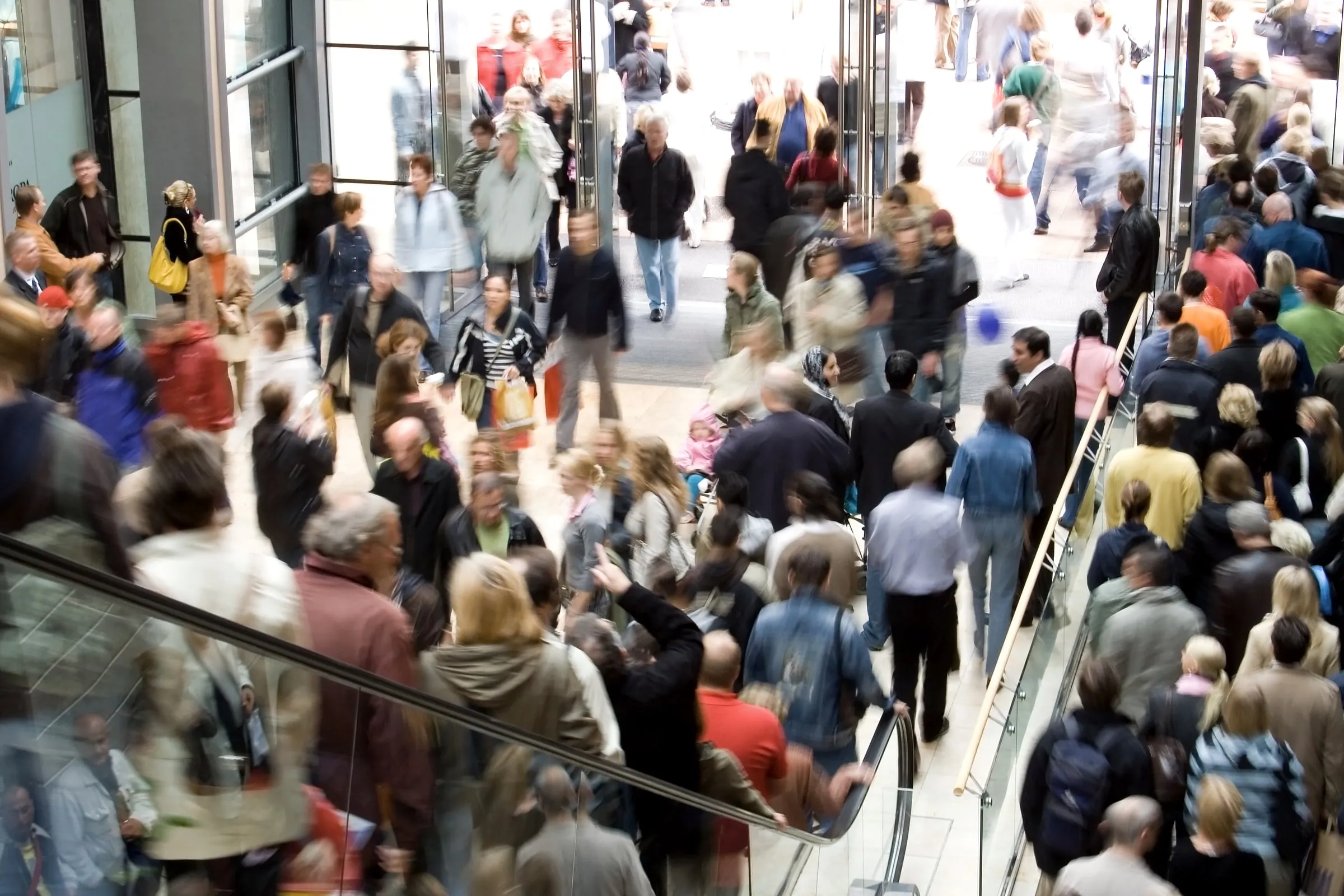
Most retail properties see more foot traffic, more cash, more temporary staff and more after-dark closings between the weekend after Thanksgiving and the first week of January than in any other stretch of the year. The risk does not spread evenly across those weeks either; it clusters on a handful of specific days, the parking lot on the busiest shopping weekends, the registers during a doorbuster morning, the returns line after Christmas. Price Protection adds coverage on top of a store’s existing post for the season rather than replacing it, because the property’s regular risks do not go away just because a new set has arrived alongside them.
Seasonal staff change what the post has to cover
A store that hires seasonal help to get through November and December is putting people at the register and on the floor who have not had months to learn what a policy refusal looks like, when to call a manager, or how a slow afternoon differs from a warning sign. It is not a criticism of temporary staff; it is a fact about training time that a six-week season does not provide. The officer’s presence and the daily report are written to account for that gap specifically, noting where an incident involved someone new to the floor rather than treating every shift the same.
The parking lot fills before the store does
On the heaviest shopping days, a property’s parking lot reaches capacity the store’s regular layout was never designed to handle: full rows, cars circling, people walking between vehicles that were never meant to be a walkway. A patrol presence in the lot on those specific days, rather than the rest of the year’s general rounds, addresses a problem that shows up for a handful of dates and then disappears again until the next one.
Returns week is its own season
The week between Christmas and New Year’s turns a sales floor into a returns line, and disputes over refunds, exchanged gift cards and receipts concentrate there far more than during the rest of the year. A calm, visible presence near the front of the store during that stretch keeps a long line of frustrated customers from becoming the kind of confrontation a single staff member at a counter should not have to manage alone.
Booking seasonal coverage
To add holiday coverage, dispatch needs the property’s regular post orders as a starting point, the specific dates expected to draw the heaviest traffic, whether seasonal staff will be on shift during those hours, and any high-value seasonal merchandise that needs its own attention. Requests placed well before the season begins get first access to officers who already know the property from its coverage the rest of the year.
How we cover it
Every service, applied to this post.
- Unarmed security guards
Added headcount at the entrance and near the registers during the store's extended hours, on top of whatever post the property already runs the rest of the year, timed to the specific days that draw the heaviest traffic.
- Vehicle patrol
A patrol vehicle works the parking lot on the days it fills beyond its normal capacity, directing attention to rows the store's regular lighting and layout were not designed to cover at holiday volume.
- Camera monitoring
The officer gives the registers and the returns line extra attention on the store's own camera feed during the last week of December, when the pattern of activity looks different from the rest of the year.
- Incident reporting
The daily report during the season notes any incident involving a seasonal staff member differently from a regular employee, so a store can see where its temporary training gaps actually showed up.
- Armed security guards
Stores that carry high-value seasonal merchandise, such as electronics or jewelry displays built up for the season, sometimes add a commissioned officer for the specific days that draw doorbuster crowds or extended overnight hours.
A typical post
What a shift looks like here.
On the heaviest shopping days, the officer's route starts in the parking lot before the doors open, since the lot fills before the store does. Extra time is spent directing pedestrian traffic through rows that are not marked as walkways the rest of the year.
During the sales floor's peak hours, the officer's position shifts closer to the registers and any high-value display built up for the season, since that is where a temporary staff member is most likely to face a decision they have not handled before.
In the week between Christmas and New Year's, the post shifts toward the returns line and the front of the store, where fraud and disputed refunds concentrate more than at any other point in the year, and where a calm, visible presence keeps a long line from turning into a longer argument.
Store closings that run later into the evening for the season get the same walk-to-car coverage a store runs the rest of the year, just for more nights in a row and later into the dark.
Reporting
What the daily report covers here
Every client receives a written report each day, and officer performance is reviewed and documented daily. This is what the report records on this kind of post.
- Parking lot conditions and traffic patterns on peak shopping days
- Incidents involving seasonal or temporary staff, noted separately
- Returns line activity and disputed refunds during the post-holiday week
- High-value seasonal display or electronics section checks
- Extended-hours closing walks to vehicles, by date
- Doorbuster or early-opening crowd conditions at the entrance
How far ahead should a store request holiday coverage?
Several weeks before the season starts is best, since the days a store needs the most coverage, the weekend after Thanksgiving and the two weekends before Christmas, are also the days every other retailer is requesting the same thing. Early requests get first pick of officers who already know the property.
Do we need coverage for the whole season or just the busiest days?
Either. Some stores add a baseline of extra hours through the season and scale up further for specific dates; others request coverage only for the handful of days that historically draw the heaviest crowds. The post orders can flex week to week.
Can you staff a pop-up display or a seasonal kiosk in a shared common area?
Yes, where the property's existing post orders allow for it, coordinated with whatever coverage the mall or shopping center already runs. A seasonal kiosk is written into the route as its own checkpoint rather than assumed to be covered by the general patrol.
Does the officer help train seasonal staff on security procedures?
That is the store's own onboarding, not the officer's role, but the officer's daily report during the season is written to flag exactly where a temporary staff member's unfamiliarity showed up, which a manager can use in that training.
What happens to holiday coverage after New Year's?
It winds down as the season's own risk does: returns traffic tapers by mid-January, extended hours usually roll back to normal, and the added coverage ends on the schedule set when it started, while the store's year-round post continues as before.
Related pages
Industries we serve
Service areas
Glossary
Request a proposal
Request a proposal for holiday season retail.
Two short steps. Dispatch reviews every request and calls you back about coverage. For urgent unarmed coverage we can typically staff most sites within hours.
24-hour dispatch
(281) 326-9189