
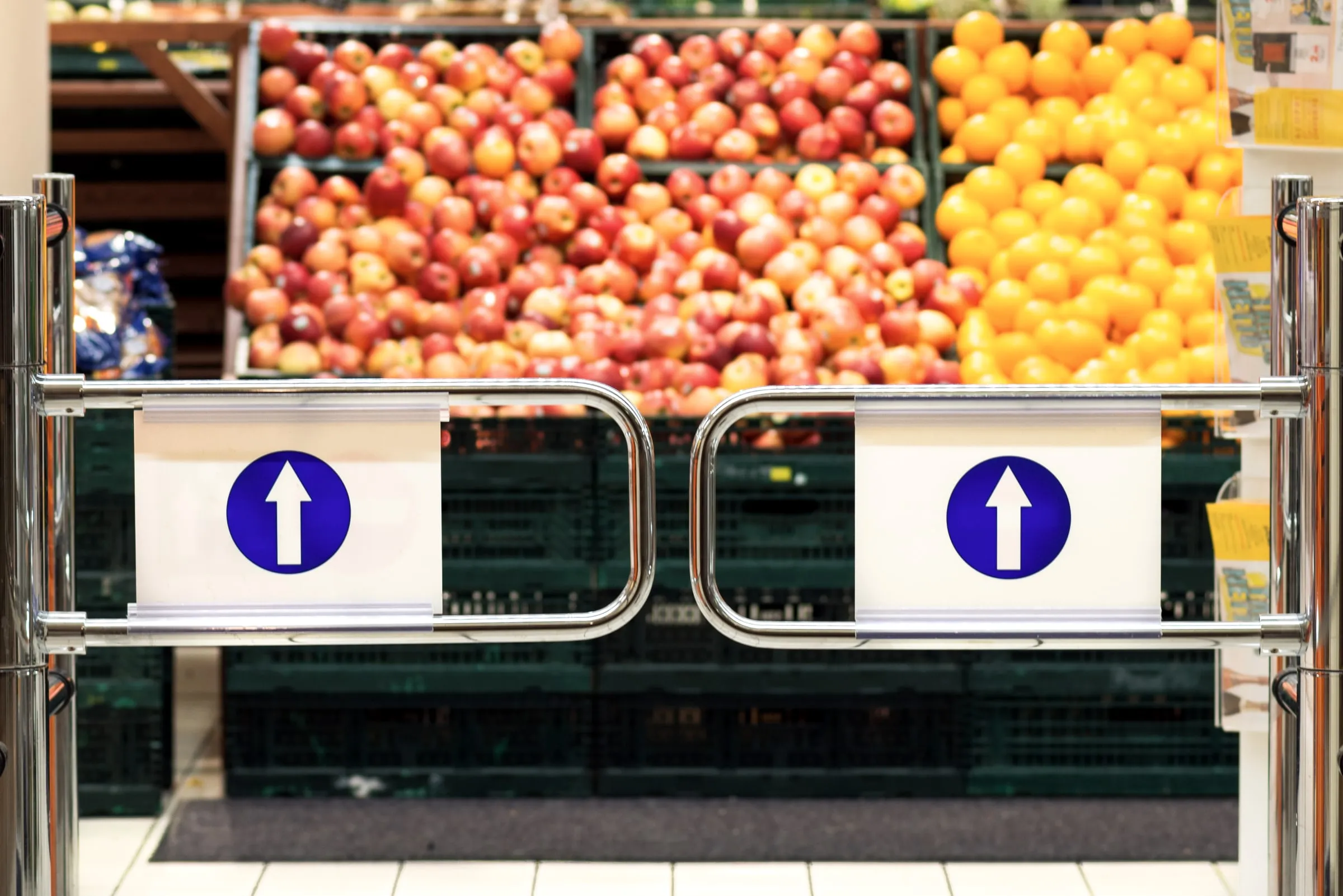
Security Guards for Grocery Stores
A store that opens before dawn and stays busy past dark gets one officer who knows the dock schedule as well as the sales floor.
Request a proposalThe situation
What a grocery store deals with
The store runs before the doors open
Trucks are backed to the dock while it is still dark, pallets of dairy and produce move through the back room, and the night stocking crew works aisles the customers will walk in a few hours. Most of the building's activity happens before a single shopper arrives.
Self-checkout removes a set of eyes
A bank of self-checkout lanes lets fewer staff run more registers, which is good for the line and bad for coverage. Scan-avoidance, wrong-code entry and a bag filled while the screen is turned away are easy to miss from the service desk.
The dock is a second front door
Delivery drivers, vendor reps stocking their own racks, and a roll-up door that sits open for an hour at a time turn the receiving area into an entrance the public never sees but anyone could use.
Curbside pickup sits outside the doors
Bagged orders staged on a rack or a cart near the entrance, a car idling in a pickup spot, an employee walking an order out alone after dark: the apron in front of the store has become its own small operation.
The store runs before the doors open
A grocery store’s busiest hour rarely has a customer in it. Trucks arrive while it is still dark, the dock door goes up, and pallets of dairy, produce and dry goods move through the back room on a schedule the sales floor never sees. The night stocking crew is working the same aisles a shopper will walk a few hours later, restocking shelves and breaking down cases. Our post orders for a grocery store start with that early window: who is expected at the dock, which vendors stock their own sections without an escort, and what the receiving door looks like when nobody is watching it.
Self-checkout changes what a manager can see
A bank of self-checkout registers lets a store run more lanes with fewer cashiers, and it also removes a set of eyes that used to be at every register. An item scanned as a cheaper one, a bag filled while attention is on a phone, a customer who leaves before the screen finishes: none of it looks dramatic, and none of it gets caught by a manager working the service desk twenty feet away. An officer posted near the self-checkout bank is doing what a full row of cashiers used to do without anyone noticing the change.
The dock is a second front door
Every grocery store has a public entrance and a working entrance, and the working one gets less attention because customers never see it. Delivery drivers come and go all day, vendor reps restock their own racks, and the roll-up door sits open for the length of a delivery. Left unmanaged, that door is as open as the one at the front of the store. The officer’s dock routine is simple: confirm who is expected, log who arrives, and close the door between trucks rather than leaving it up out of convenience.
Curbside pickup lives outside the building
Grocery pickup has moved part of the store’s operation to the parking apron: bagged orders staged on a rack near the entrance, an employee walking out to a waiting car, a rack of carts nobody is watching while an order is loaded. It is a small area with real value sitting in it after dark, and it gets its own attention on the officer’s rounds rather than being folded into a general walk of the lot.
Starting coverage
To set up a grocery store post, dispatch needs the store’s hours including the receiving schedule, whether self-checkout is staffed or not, the layout of the dock and any vendor doors, and who signs for deliveries when the receiving manager is off. An unarmed officer can typically be in place within hours for a store that needs coverage right away, and the post orders are adjusted through the first week as the officer learns the delivery schedule and the store’s own asset protection routine.
How we cover it
Every service, applied to this post.
- Unarmed security guards
A Level II officer in uniform works the sales floor and the front of the store, visible to customers at the entrance and near the self-checkout bank, and answers questions the way a store greeter used to.
- Access control
The officer checks the receiving door between deliveries, confirms it is closed and alarmed when no truck is expected, and logs each driver in and out so the back of the store is not left open on faith.
- Vehicle patrol
Where the lot is large or shared with an anchor's outparcels, a patrol vehicle rounds the cart corrals, the fuel kiosk if the store has one, and the curbside pickup spaces, especially after the sun goes down.
- Camera monitoring
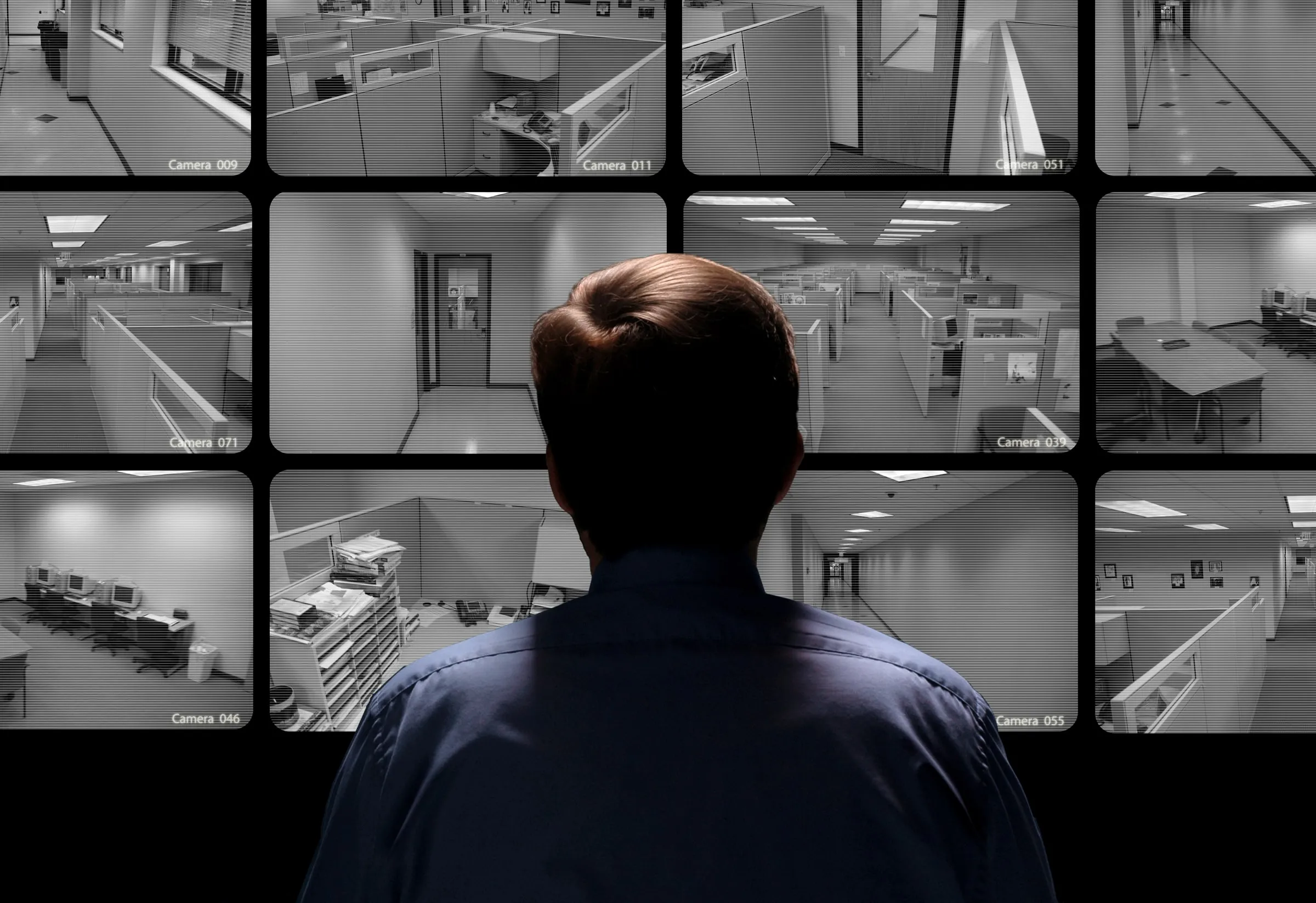
The officer uses the store's own camera feed to watch the self-checkout bank and the exits that are hardest to staff, and flags footage worth pulling for the asset protection team.
- Incident reporting
The daily report separates what happened on the sales floor from what happened at the dock, so the store director and the receiving manager can each read the part that is theirs.
A typical post
What a shift looks like here.
Before the store opens, the officer walks the lot, checks the cart corrals and the pickup apron, and is at the dock when the first trucks back in, confirming the driver against the delivery schedule and watching the door while pallets move through.
Once the doors open, the officer moves to the front of the store, a position near the self-checkout bank and the customer service desk where most of the day's questions and most of the day's shrink both happen. Midday brings deliveries from smaller vendors who stock their own sections and need a signature and a watchful eye.
Evenings bring the after-work rush and the curbside pickup orders staged closest to closing. The officer walks employees to their cars on request once the lot empties, and does a last pass of the dock to confirm it is locked before the report is written.
Reporting
What the daily report covers here
Every client receives a written report each day, and officer performance is reviewed and documented daily. This is what the report records on this kind of post.
- Receiving dock deliveries logged, with driver, vendor and time
- Self-checkout observations and any loss reported to the asset protection team
- Cart corral condition and carts recovered from the lot or the road
- Curbside pickup apron activity and any incident involving a staged order
- Dock and receiving doors found open, propped or unlocked, and corrected
- Calls from store management during the shift and how each was resolved
Can the officer stop someone who walks through self-checkout without paying?
That is the store's decision, not the officer's default. Texas Civil Practice and Remedies Code 124.001 lets a merchant or its agent detain a person reasonably believed to have stolen, for a reasonable time, to investigate, but many grocery chains set an observe-and-report policy instead. We write whichever the store chooses into the post orders. This is a summary, not legal advice.
Do you cover the store before it opens to customers?
Yes. Most grocery posts start before the doors unlock, when the dock is busiest and the stocking crew is working the aisles, and that early window is often the reason a store asks for coverage in the first place.
What does the officer do about carts left across the lot or on the road?
Cart recovery itself is the store's operation, but the officer notes where carts have drifted and flags the corrals that need attention in the daily report, and moves a cart blocking a fire lane or a handicap space.
Can one officer handle both the sales floor and the dock?
At most single-store locations, yes, with the route timed to deliveries: at the dock when a truck is due, on the floor between them. Stores with a heavy receiving schedule sometimes add a second officer for the morning window only.
Do you work with the store's own asset protection team?
Yes, where the store has one. The officer's report and camera notes feed the asset protection team's own work rather than duplicate it, and post orders set out who calls police and who writes the incident file.
Related pages
Industries we serve
Service areas
Insights
Glossary
Request a proposal
Request a proposal for grocery stores.
Two short steps. Dispatch reviews every request and calls you back about coverage. For urgent unarmed coverage we can typically staff most sites within hours.
24-hour dispatch
(281) 326-9189