
Answer
Do I need a fire watch during roofing work?
By Price Protection SecurityReviewed TX DPS Lic #B09430601
Short answer
Usually, yes. Torch-applied modified bitumen, hot-air welded membranes and hot asphalt are hot work. OSHA's 29 CFR 1910.252(a)(2)(iii) requires a fire watch where combustibles are within 35 feet or exposed through openings, maintained at least 30 minutes after the work ends; NFPA 51B and most hot work permits require an hour. Roofs sit on insulation and decking that smolder, which is why roofing fires start after the crew leaves.
Why roofing is the classic case
A torch-down roof is a flame applied to a membrane over insulation over a deck, often with old roofing beneath and a parapet full of debris. Embers drop into gaps, slag rolls into drains and scuppers, and heat travels through the deck to whatever is underneath: wood, paper-faced insulation, dust in a plenum. The fire that results starts an hour after the crew has packed up, on a roof nobody is looking at. OSHA’s rule and NFPA 51B exist for exactly this pattern, and roofing contractors’ own permits usually require the watch as a condition of the work.
What the rules require
OSHA, in 29 CFR 1910.252(a)(2)(iii), requires fire watchers whenever welding, cutting or similar hot work is performed where combustibles are within 35 feet, or further away but easily ignited, or exposed through wall or floor openings, and requires the watch to continue at least 30 minutes after the work ends. NFPA 51B, the standard most hot work permit systems follow, requires the watch for at least an hour after completion and allows the permit authorizing individual to require a further monitoring period. Where the two differ, the permit and the authority having jurisdiction decide; Price Protection staffs whichever window the permit sets.
What the fire watch does on a roof
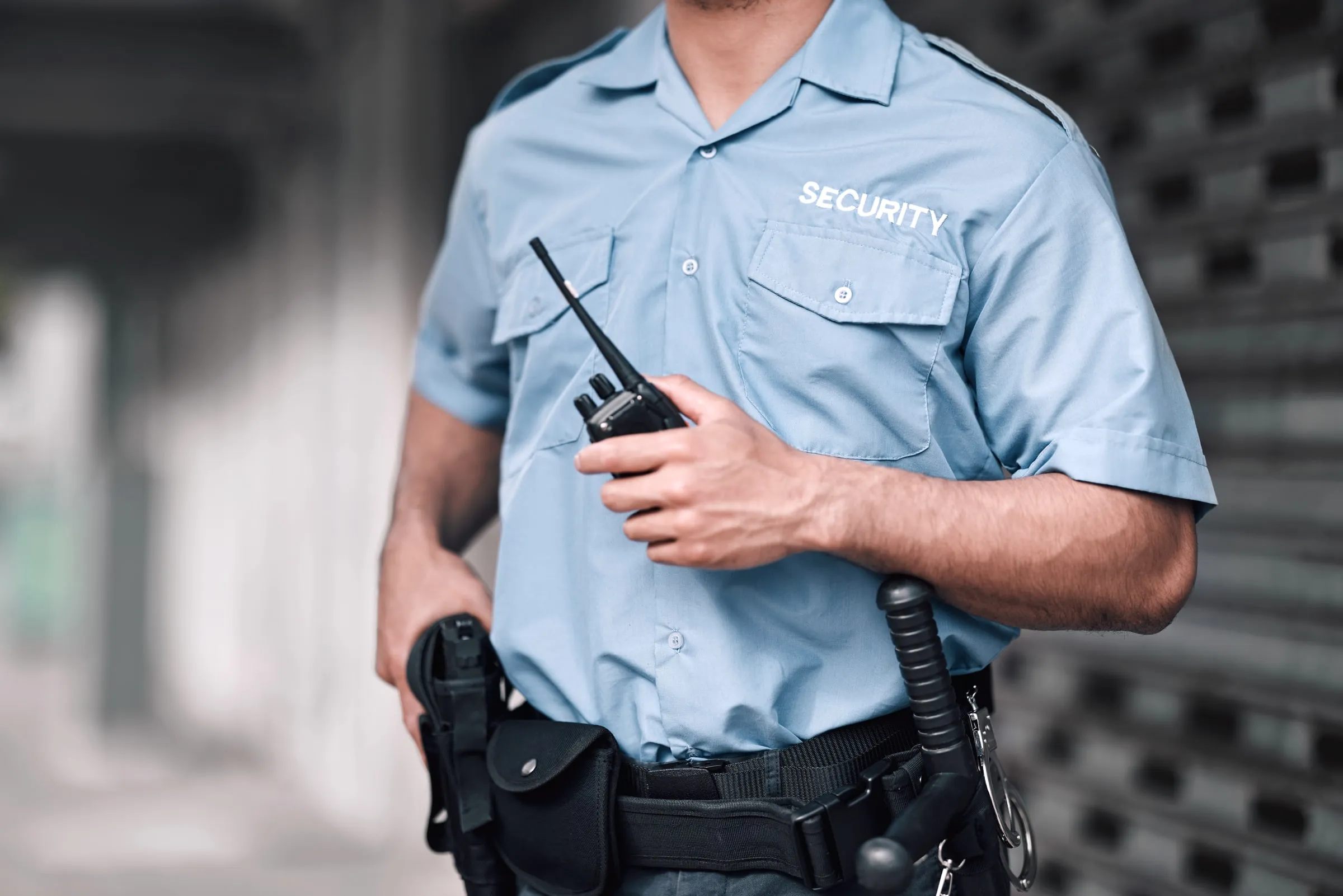
Stays where the heat goes, which is often not where the torch is: the underside of the deck, the parapet, the drains, the floor below an opening. Keeps extinguishers within reach and knows how to use them. Keeps the area clear of new combustibles. Walks the roof and the floor below after the crew stops, for the full post-work period, looking and smelling for smoke. Logs each check with a time and signs the log for the contractor’s permit file. Calls 911 and raises the alarm if a fire is found that an extinguisher cannot handle.
Who provides it
The roofing contractor may assign a trained crew member as the watch, or the building or the contractor may contract it. Price Protection staffs hot-work fire watch on roofs across Houston, with officers trained for it and a log that matches the permit. This page is a summary, not legal advice; the roofing fire watch article covers the details, and the hot work fire watch page explains how a watch is booked.
Related questions and pages
Services
Insights
Answers
Glossary
Resources
Request a proposal
Request a proposal for your property.
Two short steps. Dispatch reviews every request and calls you back about coverage. For urgent unarmed coverage we can typically staff most sites within hours.
24-hour dispatch
(281) 326-9189