
Answer
Why does a fire watch continue 30 minutes after welding?
By Price Protection SecurityReviewed TX DPS Lic #B09430601
Short answer
Because most hot work fires start after the work stops. Sparks and slag land in insulation, dust, cardboard and the voids behind walls and below decks, where they smolder unseen for a while before flaming. OSHA's 29 CFR 1910.252(a)(2)(iii) requires the fire watch to be maintained at least 30 minutes after welding or cutting is completed; NFPA 51B requires at least an hour and allows a further monitoring period. The permit sets which applies.
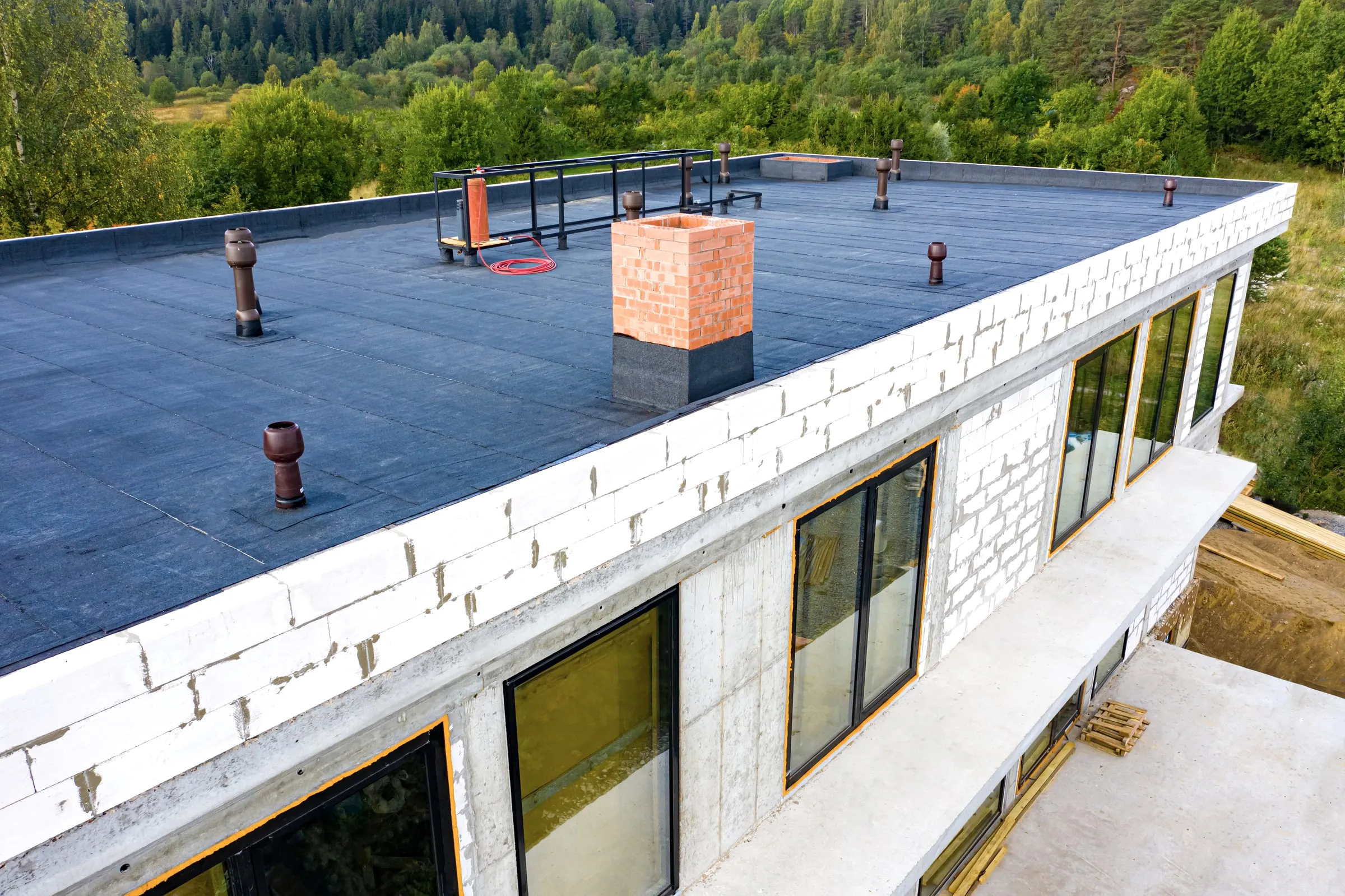
How a delayed fire starts
A welder finishes a bracket at four, packs up and leaves. A bead of slag that rolled into a gap in the floor lies against paper-faced insulation. It is not burning; it is hot enough to char the paper slowly, and the char spreads without flame until it finds enough air. At five the smoke reaches a corridor; at half past, the ceiling. Every fire investigator has seen the pattern, and it is why the standards refuse to let the watch leave with the welder.
What the rules say
OSHA, in 29 CFR 1910.252(a)(2)(iii), requires that a fire watch be maintained for at least a half hour after completion of welding or cutting operations to detect and extinguish possible smoldering fires. NFPA 51B, in its current editions, requires the fire watch to continue for at least one hour after the work is completed, and gives the permit authorizing individual the ability to require additional monitoring after that. Where a site’s permit follows NFPA 51B, the hour applies; the permit and the authority having jurisdiction decide. Price Protection staffs whichever window is set and records the time in the log.
What the watch does in that period
Walks the area and the spaces heat could have reached: the floor below an opening, the far side of a wall, the parapet and the drains on a roof, the void above a ceiling. Looks and smells for smoke. Keeps extinguishers at hand. Does not let the area be closed up or left until the period has run and the last check is clean. Logs the end time and signs.
Roofing, the classic case
Torch-down and hot-air roofing put flame over insulation over a deck, and the fire that follows starts on a roof nobody is watching. The roofing fire watch answer and the post-work period article cover it in more detail. This is a summary, not legal advice.
Related questions and pages
Services
Insights
Answers
Glossary
Resources
Request a proposal
Request a proposal for your property.
Two short steps. Dispatch reviews every request and calls you back about coverage. For urgent unarmed coverage we can typically staff most sites within hours.
24-hour dispatch
(281) 326-9189