
Fire watch and compliance
Fire Watch During Roofing and Torch-Down Work
By Price Protection SecurityReviewed TX DPS Lic #B09430601
Short answer
Torch-applied modified bitumen and hot-asphalt built-up roofing involve an open flame or molten material and are treated as hot work, with a fire watch required and maintained for the post-work period after each day's work stops. Hot-air welded seams use no open flame, and whether they need a watch is usually set by the contractor's own permit rather than the welding standard itself. The watch resets each work day rather than running continuously across a multi-day job.
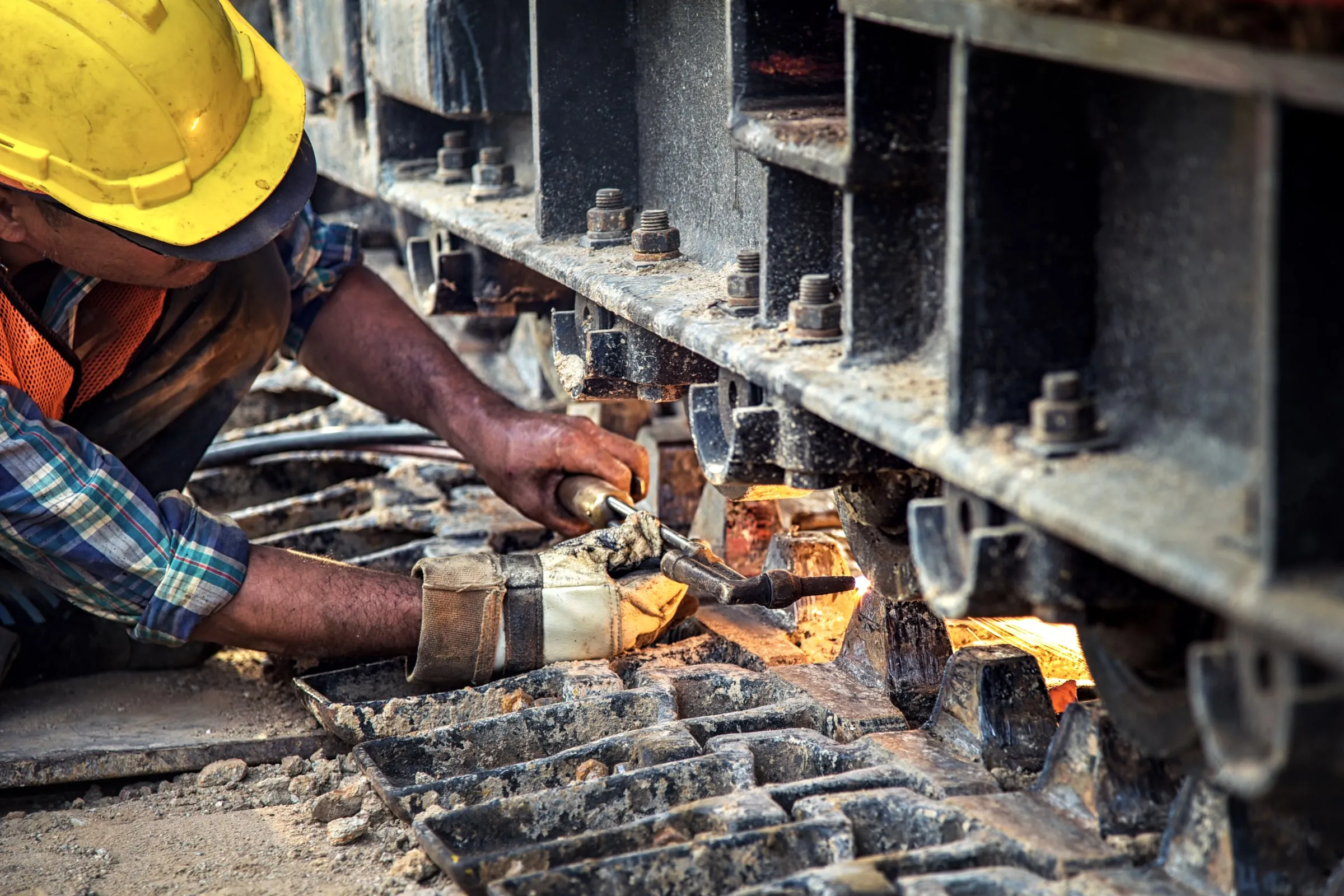
Roofing is the single most common reason a fire watch gets called to an occupied building, and it is also one of the more varied kinds of hot work, since not every roofing method uses an open flame. Understanding what triggers the watch, where the heat actually travels on a given roof, and why the watch resets every work day rather than running continuously across a project helps a property or a contractor plan for it accurately.
Not every method is treated the same
Torch-applied modified bitumen and hot-asphalt built-up roofing both involve an open flame or molten material moving across the roof, and both are the kind of work OSHA’s 29 CFR 1910.252(a)(2)(iii) has in mind: a fire watch required wherever combustibles sit within 35 feet, maintained at least 30 minutes after the work stops. Hot-air welded single-ply membranes use a heated air gun to fuse seams without an open flame, which sits in a different position under the regulation, and mechanically fastened systems, using screws and plates rather than heat at all, are not hot work in the first place. In practice, many roofing contractors’ own permits require a fire watch for hot-air work anyway, particularly on an occupied building, because heat is still involved even without a flame. The permit is what actually governs a specific job, and Price Protection staffs whatever it requires.
| Roofing method | Open flame or molten material | Typical fire watch requirement |
|---|---|---|
| Torch-applied modified bitumen | Yes | Required under OSHA’s rule, post-work period applies |
| Hot-asphalt built-up (kettle) | Yes, molten asphalt | Required, kettle itself watched separately |
| Hot-air welded single-ply | No open flame, heated air only | Often required by the contractor’s own permit |
| Mechanically fastened | No heat involved | Not hot work |
Where the heat actually goes
A torch or a kettle’s heat rarely stays exactly where the applicator is standing. Slag and embers roll toward drains and scuppers, where standing debris and old membrane fragments collect. A parapet wall’s cap and the void behind it can hide smoldering material longer than an open roof surface would. On a tear-off job, old roofing layers left in place or partially removed add fuel that a new installation over a clean deck would not have. And heat travels through the deck itself to whatever sits below it, insulation, a plenum, the ceiling of an occupied unit or office, which is why the watch on a torch-down job over an occupied building checks the interior space beneath the work, not just the roof surface.
The kettle is its own hazard
A hot-asphalt kettle, staged on the ground or hoisted onto the roof, heats asphalt to a working temperature using its own fuel supply, commonly propane, and represents an ignition source distinct from wherever the crew is actually mopping asphalt onto the deck. A watch on a kettle-fed job checks the kettle’s own clearance from combustibles, its fuel connections, and the extinguisher the kettle operator keeps at hand, as a separate point on the route from the application area itself, since a kettle fire and a mopping-area fire are different events that both need to be caught early.
One watch per work day, not one continuous watch
A common misunderstanding is that a multi-day reroofing project needs one continuous fire watch running for the length of the whole job. It does not. The watch is tied to each day’s actual hot work and the post-work period after it; a crew that finishes torching a section Monday afternoon closes that day’s watch once the required period has passed with no sign of smoke, and the next watch opens when torching resumes, whether that is the next morning or several days later if weather or scheduling delays the crew. Each day’s log is its own entry, tied to that day’s permit, rather than one long record spanning a project that may run for weeks with hot work happening only on some of those days.
Wind, heat and Houston’s roofing season
Wind changes where sparks and embers actually land, sometimes carrying them well past the distance that would apply on a calm day, and a watch officer adjusts position and attention to wind direction rather than treating the 35-foot radius as a fixed circle regardless of conditions. Houston’s summer heat also shapes how a roofing watch is staffed: officers working a full shift on a black membrane roof in July need relief and hydration built into the post orders the way a construction crew already plans for its own workers, and a multi-day tear-off scheduled through the hottest part of the season benefits from starting early and building breaks into the watch the same way the roofing crew does.
Recover roofs versus full tear-offs
A recover job, installing a new membrane over an existing roof that stays in place, and a full tear-off, stripping the old roofing down to the deck before installing new material, present different fuel conditions to a fire watch even when both use the same torch or kettle method. A recover job leaves old roofing layers, sometimes several generations of them, in place under the new work, which can hold heat and smolder differently than a clean deck does. A tear-off exposes the bare deck, which changes how heat moves to the structure and the ceiling below, particularly where the deck itself is wood rather than steel or concrete. A watch officer briefed on which type of job is underway, not just which heating method, checks the areas that specific combination is most likely to affect.
What a roofing crew’s own permit typically covers
Most roofing contractors doing torch-applied or hot-asphalt work already carry a hot work permit system as part of their own safety program, separate from whatever the building owner’s general contractor might require. That permit usually names the fire watch requirement, the extinguishers to be on hand, and the post-work period the crew commits to, and a watch officer arriving on a roofing job reviews that permit the same way as any other hot work permit: confirming the extinguishers are present, walking the radius with the foreman before the first flame, and signing where the permit calls for a watcher’s signature. Coordinating directly with the roofing foreman, rather than only with the property manager who called for the watch, keeps the officer working from the same information the crew itself is using.
What ends a roofing watch
Each day’s watch ends once the post-work period has run, at least 30 minutes under OSHA, at least an hour where the contractor’s permit follows NFPA 51B, and the officer has walked the work area and the space below it a final time with no sign of smoke or heat. This is a summary, not legal advice. The hot work fire watch page and the hot work fire watch checklist describe the checks an officer makes before, during and after each day’s roofing work.
Questions
Related questions
Does hot-air welding need a fire watch the same way torch-down does?
Not automatically under OSHA's welding standard, since a hot-air gun uses heated air rather than an open flame. Many roofing contractors' own permits still require a watch for hot-air work as a matter of practice, particularly over an occupied building, so the permit is what actually decides on a given job.
Does the watch need to return every day of a multi-day reroofing job?
Yes, for every day hot work actually happens. The watch is tied to that day's work and its post-work period, not to the project as a whole, so a crew that tears off and welds one section on Monday and a different section on Wednesday needs the watch present both days, not continuously in between.
What about the kettle if the crew uses hot asphalt instead of a torch?
A kettle heating asphalt, whether on the ground or staged on the roof, is its own ignition source and gets its own attention on the round, separate from wherever the mopping or application is happening. Fuel supply, clearance from combustibles and the kettle operator's own fire extinguisher are part of what the watch checks.
How does wind change where the watch actually stands?
Wind can carry sparks and embers well past the 35-foot radius that applies on a calm day, so the officer's position and the areas checked below and around the work adjust for wind direction rather than assuming a fixed radius always applies. A gusty afternoon changes the post more than the crew's own work plan does.
Related pages
Industries we serve
Services
Insights
- Fire Watch on Construction Sites: Hot Work, Temporary Systems and Handover
- OSHA Fire Watch Rules for Hot Work: 29 CFR 1910.252 Explained
- The 35-Foot Rule: When Welding and Cutting Need a Fire Watch
- Fire Alarm Outages: When a Fire Watch Is Required
- Fire Extinguisher Checks During a Fire Watch
- Fire Watch After a Fire: Securing a Damaged Building
Glossary
Resources
Request a proposal
Request a proposal for your property.
Two short steps. Dispatch reviews every request and calls you back about coverage. For urgent unarmed coverage we can typically staff most sites within hours.
24-hour dispatch
(281) 326-9189