
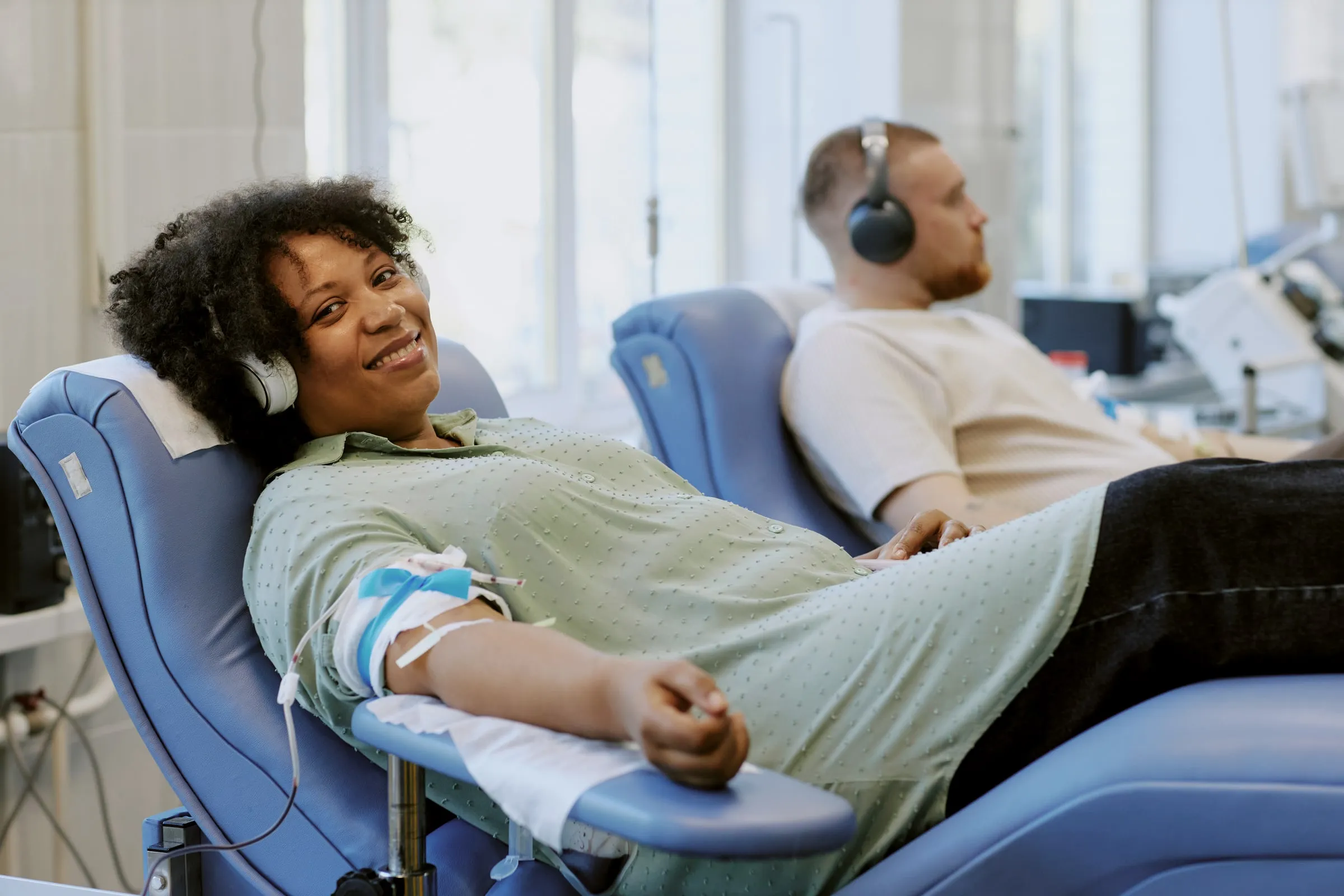
Security Guards for Plasma Donation Centers
An officer at the door and the queue, for a center that pays donors, draws a line outside on its busiest days, and closes with a deposit to secure.
Request a proposalThe situation
What a plasma donation center deals with at its door and its queue
A line outside on paydays
Compensation for donating draws a predictable surge around the start and middle of the month, and a center that has no one managing its outside line risks the queue spilling into a parking lot or a shared walkway with the businesses next door.
Compensation makes the building a target
A center that pays donors, often to a prepaid card issued on-site, is handling something of value every day it is open, and that alone makes it a different kind of target than a typical medical office, both during the day and at closing.
Repeat donors and ID verification
Donors return on a set schedule and are checked against identification and eligibility rules every visit, a process that can create friction when someone is turned away or is not on the day's approved list.
Closing with a deposit to secure
At close, the day's records and any on-site cash or card stock have to be secured before staff leave, often by one or two employees closing alone in a strip-center location after the rest of the block has gone quiet.
The queue is the post
A plasma donation center’s security needs concentrate at one spot most clinics never deal with at all: the line outside the door. Compensation for donating draws a predictable surge around the start and middle of the month, and a center without someone managing that line risks it spilling onto a neighboring business’s walkway or a shared parking lot, which creates friction with businesses next door as much as with the donors themselves. Price Protection’s coverage for a center is built around that queue first, with the entrance and donor floor as the second priority.
A different kind of target
Because a center compensates donors, often loading a prepaid card on-site, it handles something of value every day it operates, which makes it a different kind of target than a typical outpatient practice, both during business hours and at closing. The officer’s presence at the entrance and through the closing procedure addresses that directly, without the officer ever handling the center’s own cash, cards or records, which stay entirely with staff.
Where the friction actually happens
Every center has its own identification and eligibility rules, checked at every visit, and the moment a donor is turned away for not meeting them is the most common flashpoint a center sees. The officer’s role there is not the eligibility decision, which is the center’s own regulated process, but keeping that hand-off between the counter and the door calm, and handling a donor who will not accept the answer and leave.
Closing with something to secure
At the end of the day, records and any on-site card stock have to be secured before one or two employees close up and leave, often in a strip-center location that has gone quiet well before the center’s own closing time. An officer present through the closing procedure, and a walk to the car once the building is locked, covers the period a small closing staff is most exposed.
Starting coverage
To begin, dispatch needs the center’s address, the days and hours a queue is expected, the manager’s contact, and whether closing coverage is wanted as well as daytime queue management. A supervisor walks the property with the manager, post orders are written around the center’s own compensation schedule, and an unarmed officer can generally start within hours.
How we cover it
Every service, applied to this post.
- Unarmed security guards
An unarmed officer manages the outside queue during peak hours, keeps the line orderly and off neighboring businesses' walkways, and is visible at the entrance and the front counter.
- Access control
The center's own eligibility and identification checks stay with staff; the officer's role at the door is verifying that only people expected to be there, donors, staff and approved visitors, are moving past the entrance.
- Camera monitoring
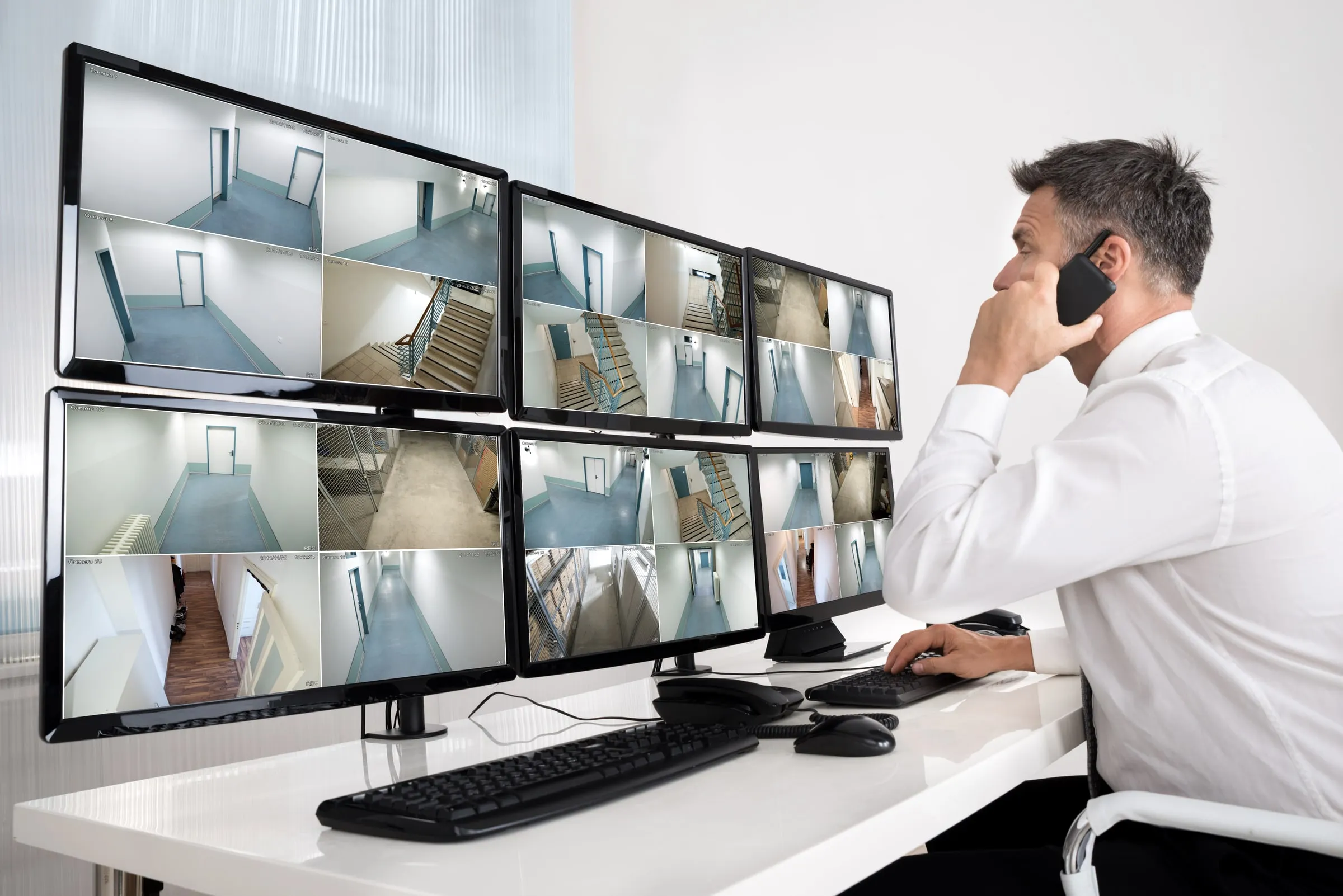
Where the center has its own camera system, the officer watches the queue, the entrance and the donor floor from the post, and reviews footage if a dispute or an incident in the line needs to be confirmed.
- Incident reporting
A report after each covered shift goes to the center manager: queue activity, any refused donor and the reason given, and the outcome of the closing procedure.
- Vehicle patrol
A closing-time patrol of the lot and building exterior, run alongside the closing procedure, addresses the period when staff are most exposed, carrying the day's records and deposit to a vehicle.
A typical post
What a shift looks like here.
The officer arrives ahead of opening on the days a line is expected, most often around the first and middle of the month, and sets up the queue before donors start arriving: where the line starts, how it is kept off the walkway the neighboring business uses, and where staff can reach the officer if someone in line becomes a problem.
Through the day the officer manages the flow between the queue and the entrance, keeping the line moving at the pace the front counter can process it, and steps in when a donor is turned away for an eligibility reason and does not want to accept it. Most of the center's friction happens right at that hand-off between the line and the counter.
At closing the officer stays through the center's own closing procedure, watching the entrance while the day's records and card stock are secured, and walks staff to their vehicles once the building is locked. The report notes the day's queue volume, any refused donor and how closing went, and is left for the manager before the next shift.
Reporting
What the daily report covers here
Every client receives a written report each day, and officer performance is reviewed and documented daily. This is what the report records on this kind of post.
- Queue length and management, by hour on peak days
- Donors refused entry or eligibility, and the reason given
- Disputes at the front counter and the outcome
- Closing procedure completed, with staff escorted to vehicles
- Loitering near the entrance after hours, and how it was handled
Do you manage the line outside on busy days?
Yes. Keeping the queue orderly, off a neighboring business's walkway, and moving at a pace the front counter can handle is one of the most requested pieces of coverage for a center's peak days, typically around the start and middle of the month.
What happens when a donor is turned away and gets upset?
The eligibility decision stays entirely with center staff; the officer's role is to keep the interaction calm and, if the donor will not leave or becomes disruptive, to handle it the way any refused entry is handled, courteously and by the center's own policy.
Do you handle the cash or card deposits at closing?
No. Handling the center's records, cards or deposit stays with staff. The officer's role at closing is watching the entrance during the procedure and escorting staff to their vehicles once the building is secured.
Can coverage be added just for the center's busiest days each month?
Yes. Many centers request coverage specifically for the days a queue is expected rather than every operating day, sized to the center's own compensation and traffic pattern.
Do you check donor identification?
No, identification and eligibility checks are the center's own regulated process and stay with staff. The officer's role is entrance and queue management, not the donation process itself.
Related pages
Industries we serve
Service areas
Glossary
Request a proposal
Request a proposal for plasma donation centers.
Two short steps. Dispatch reviews every request and calls you back about coverage. For urgent unarmed coverage we can typically staff most sites within hours.
24-hour dispatch
(281) 326-9189