
Security Guards for Luxury Apartment Communities
Residents paying for the finish expect the desk to match it. Officers chosen for manner, and the amenities, garage and packages kept the way the lease promised.
Request a proposalThe situation
What luxury communities deal with
The desk is part of the product
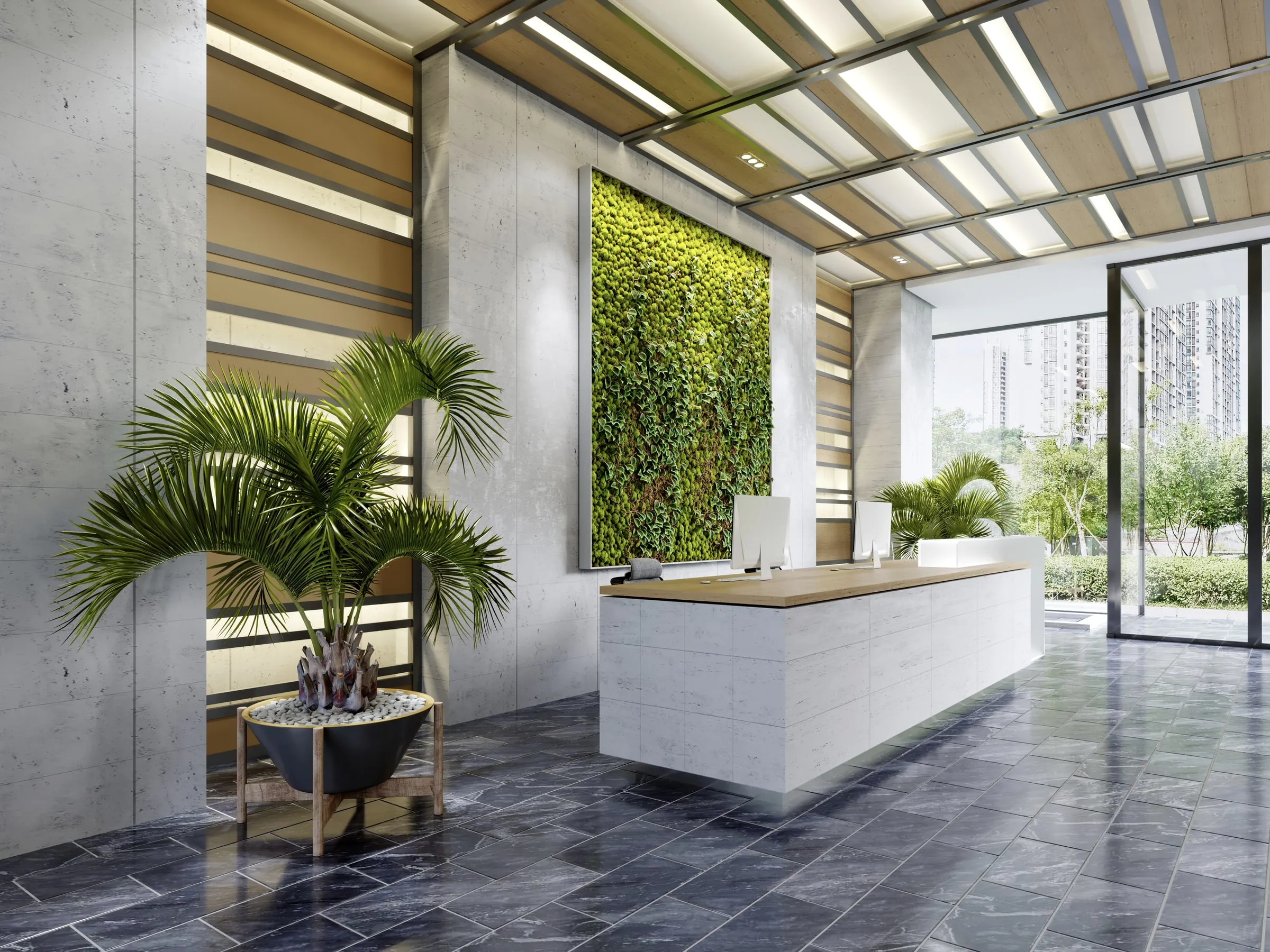
A luxury community sells the lobby, the finishes, the coffee bar and the rooftop, and a resident's first and last impression each day is whoever is at the desk. An officer who looks out of place, or a desk that is empty at ten at night, undercuts a rent premium the community worked hard to justify.
Amenities that attract the wrong guests
A resort pool, a wine room, a golf simulator and a coworking lounge draw residents' friends, residents' friends' friends and people from the building down the street. The rules are on the wall; without someone enforcing them consistently the amenities stop being exclusive, and residents notice at renewal.
Packages worth stealing and cars worth stealing
The package room in a luxury building holds electronics, jewelry and prescriptions, and the garage holds vehicles that are targeted for parts and for keys left in them. Both are quiet losses that turn into loud complaints, and both are places where the community's cameras only record what already happened.
A high bar for discretion
Residents in these communities include executives, physicians, athletes and people who value not being noticed. A domestic dispute, a resident who has had too much to drink, a photographer at the gate, an ex-partner who is no longer on the lease: each has to be handled quietly, correctly and in writing.
Security as part of the resident experience
At a luxury apartment community the security post is judged twice: once on whether anything went wrong, and once on how it felt to walk past the desk. Price Protection staffs these communities on the understanding that both matter. The officer at the door is the person a resident sees more often than the manager, and the way that officer greets, answers, and handles a guest who has to be turned away is part of what the rent buys. We choose officers for these posts on manner first, train them on the building second, and review their performance every day against the report and the manager’s feedback.
Houston’s luxury inventory is concentrated in Uptown and the Galleria, River Oaks and the Upper Kirby corridor, Memorial and the Energy Corridor, the Heights and the newer buildings around Midtown and the Medical Center. Many are mid-rise wraps with a structured garage; some are towers; a few are garden-style communities at the top of the market. The post is shaped to the building, but the standard for the officer is the same.
What the post orders say
The post orders for a luxury community spend as much time on tone as on procedure. They describe how residents are greeted, how guests are announced, how a delivery is handled so a courier never rides the resident elevator, how a resident who has locked themselves out is treated at one in the morning. They set the amenity rules as the lease sets them: guest limits at the pool, reservation rules for the clubroom, hours for the fitness floor, no glass on the deck. They list the vendors who are allowed in and when, the pet policy, the short-term rental policy and what to do when a listing is found. And they name who at the management company is called for what.
The quiet losses
The incidents that matter most at a luxury community rarely make noise. A package room that loses one parcel a week. A guest who has been living in a unit for a month. A car in the garage with a window down and a bag on the seat. A pool deck with thirty people on a Saturday when the guest limit is two per unit. Each one is small, each is noticed by residents, and each is the kind of thing a camera records without preventing. The officer’s rounds and the desk’s attention are aimed at exactly these: the package room door, the garage levels, the amenity guest count, the unit that always has visitors. Findings go in the report with dates so the manager can act on a pattern rather than a complaint.
Discretion and documentation
When something does happen involving a resident, the officer handles it privately, calls the manager on duty or the police as the post orders direct, and writes an incident report that goes to the manager alone. Residents in these communities value not being talked about, and the officer does not discuss one resident’s matter with another. Officers follow post orders and hand off to police for enforcement; the job is to observe, deter and report.
Starting a post
Dispatch will ask about the building type and the number of units, the desk and amenity hours, the uniform the manager prefers, the existing concierge and valet arrangements, and the package and amenity procedures. A supervisor walks the property, the post orders are agreed, and coverage begins on the date the manager sets, or within hours where an unarmed officer is needed quickly.
How we cover it
Every service, applied to this post.
- Unarmed security guards
The post is unarmed and staffed by officers selected for appearance, composure and conversation as much as for training. Uniform is agreed with the manager, from a marked shirt to a blazer, so the officer belongs in the lobby. Customer service and de-escalation training carry most of the shift.
- Access control
At the lobby and the garage entrance the officer confirms residents, announces guests, logs vendors and controls the freight elevator and the package room. The guest and amenity policies in the lease are applied the same way to everyone, which is what keeps them defensible.
- Camera monitoring
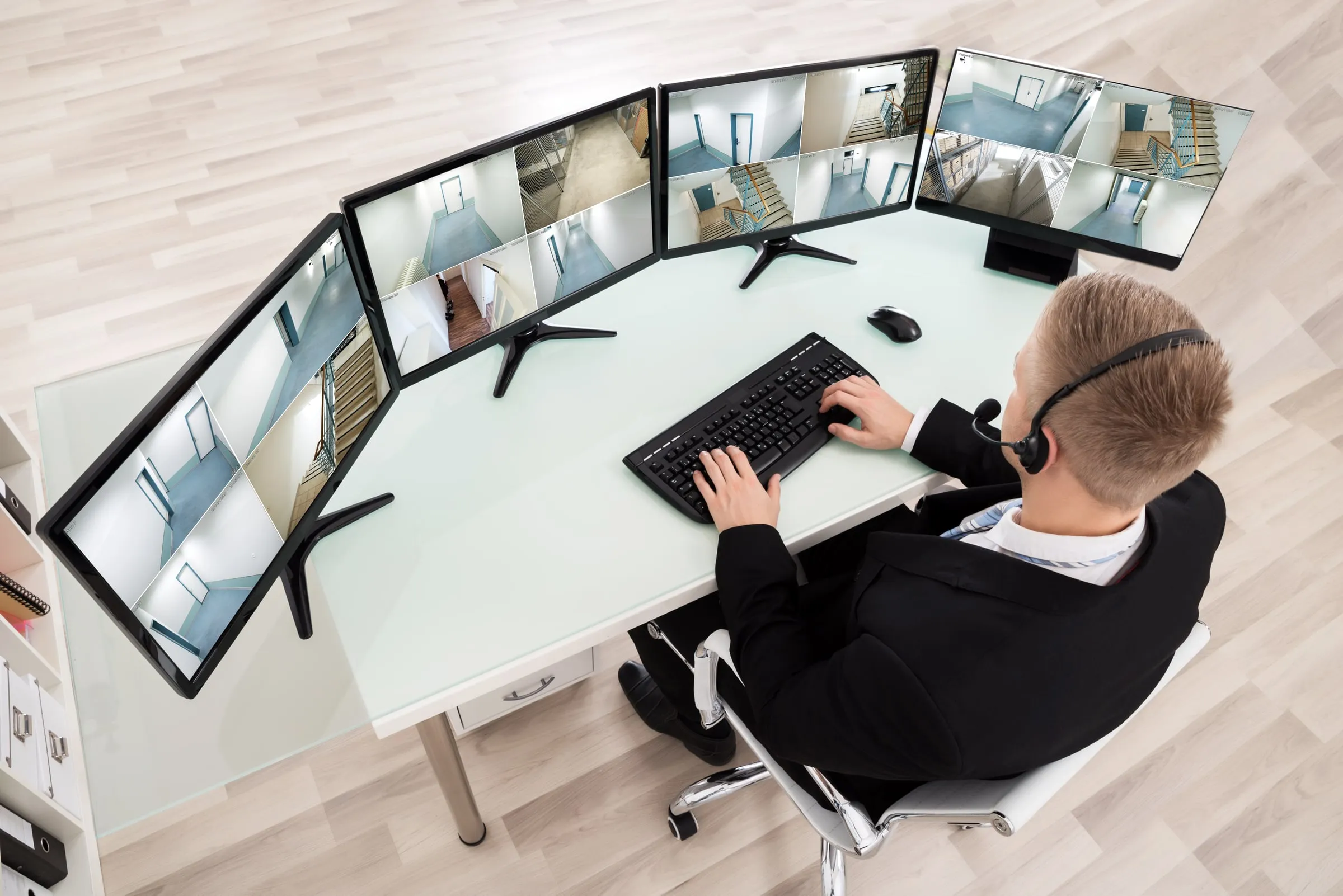
Luxury buildings tend to have good camera coverage of the garage, the amenity deck, the package room and the corridors. The officer watches it from the desk and responds to what it shows: a guest count climbing on the pool deck, a car circling the garage, a package room door held open.
- Vehicle patrol
Mid-rise and garden-style luxury communities with a large garage or surface parking add a marked vehicle for the perimeter and the lots, in particular where high-value vehicles are parked in the open. In a single tower the garage is walked instead.
- Incident reporting
The daily report records lobby and garage activity, guest and amenity checks, packages logged in and out, vehicle observations and every resident interaction of note, in a tone a manager can forward to an owner or an asset manager. Incidents involving residents get a separate confidential report.
A typical post
What a shift looks like here.
The evening officer takes the desk from the concierge at seven with the day's handover: a resident expecting a large delivery, a contractor finishing on the amenity floor, a birthday booked in the clubroom. Residents returning from work are greeted by name where the officer knows them, guests are announced by phone, and food couriers are met at the door rather than sent upstairs.
At the amenity closing time the officer walks the pool deck, the lounge and the fitness floor, asks the last group to wrap up, checks that the wine room and the clubroom are locked, and notes any damage or anything left behind. The garage is walked afterward, level by level, with attention to cars with visible valuables and to the pedestrian doors.
Later in the night the desk is quieter and the officer watches the cameras, logs the package carrier that comes at eleven, handles a noise complaint on the twelfth floor with a knock and a polite word, and writes it up. The report is finished and sent before the morning concierge takes over.
Reporting
What the daily report covers here
Every client receives a written report each day, and officer performance is reviewed and documented daily. This is what the report records on this kind of post.
- Guests announced and admitted, with the resident who authorized each
- Amenity closings and guest counts on the pool deck and in the lounge
- Packages logged in from carriers and signed out to residents
- Garage walks with vehicles noted for open windows, valuables or damage
- Vendors and contractors admitted, the space they worked in and when they left
- Noise, guest and lease-policy conversations with residents, by unit
- Cameras reviewed and anything that prompted a response
Will the officer's uniform suit the look of our lobby?
That is decided with the manager before the first shift. Options run from a marked security shirt to a blazer and slacks with a discreet badge, and the choice depends on whether the community wants presence to be obvious at the door or quiet in the background. Either way the officer is licensed, in a uniform we approve, and identifiable to residents.
How do you keep the amenities for residents without making them feel policed?
By enforcing the community's own rules evenly and early. The officer knows the guest limit, checks it at the amenity door or on the cameras before a group grows, and speaks to the resident host rather than the guests. Residents who see the rules applied the same way to everyone tend to support them.
Can the officer manage package deliveries and high-value items?
Yes, where the package room procedure is written into the post orders. The officer logs carriers in, keeps the package room door controlled, signs out packages to residents where the community wants that, and records every handoff. Locker systems still need someone watching the door.
Do you coordinate with our valet and concierge staff?
Yes. The post orders describe who does what at the porte-cochère, the desk and the garage, so that valet handles cars, concierge handles service and the officer handles access and response. Handovers between them are written, and the officer's report notes anything the day team needs to pick up.
Would an armed officer ever be right for a luxury community?
Only where a specific, documented risk calls for it, and then usually for a defined period rather than as the standard post. The default is an unarmed officer with the manner the building needs. When a manager has a concern, dispatch discusses it and the post orders record what was decided.
Related pages
Industries we serve
Service areas
Insights
Glossary
Request a proposal
Request a proposal for luxury apartments.
Two short steps. Dispatch reviews every request and calls you back about coverage. For urgent unarmed coverage we can typically staff most sites within hours.
24-hour dispatch
(281) 326-9189