
Package Theft Prevention for Apartment Communities
Deliveries arrive all day and disappear in the evening. We cover the package room, the lockers and the delivery hours, and write down who came and went.
Request a proposalThe situation
Where packages go missing at apartment communities
The room with the propped door
Package rooms are opened for carriers in the morning and the door gets wedged for the next driver. By evening it has been open for hours, the shelves are full, and anyone who walked in behind a resident can leave with an armful of boxes and no record of having been there.
Doorstep deliveries in breezeways
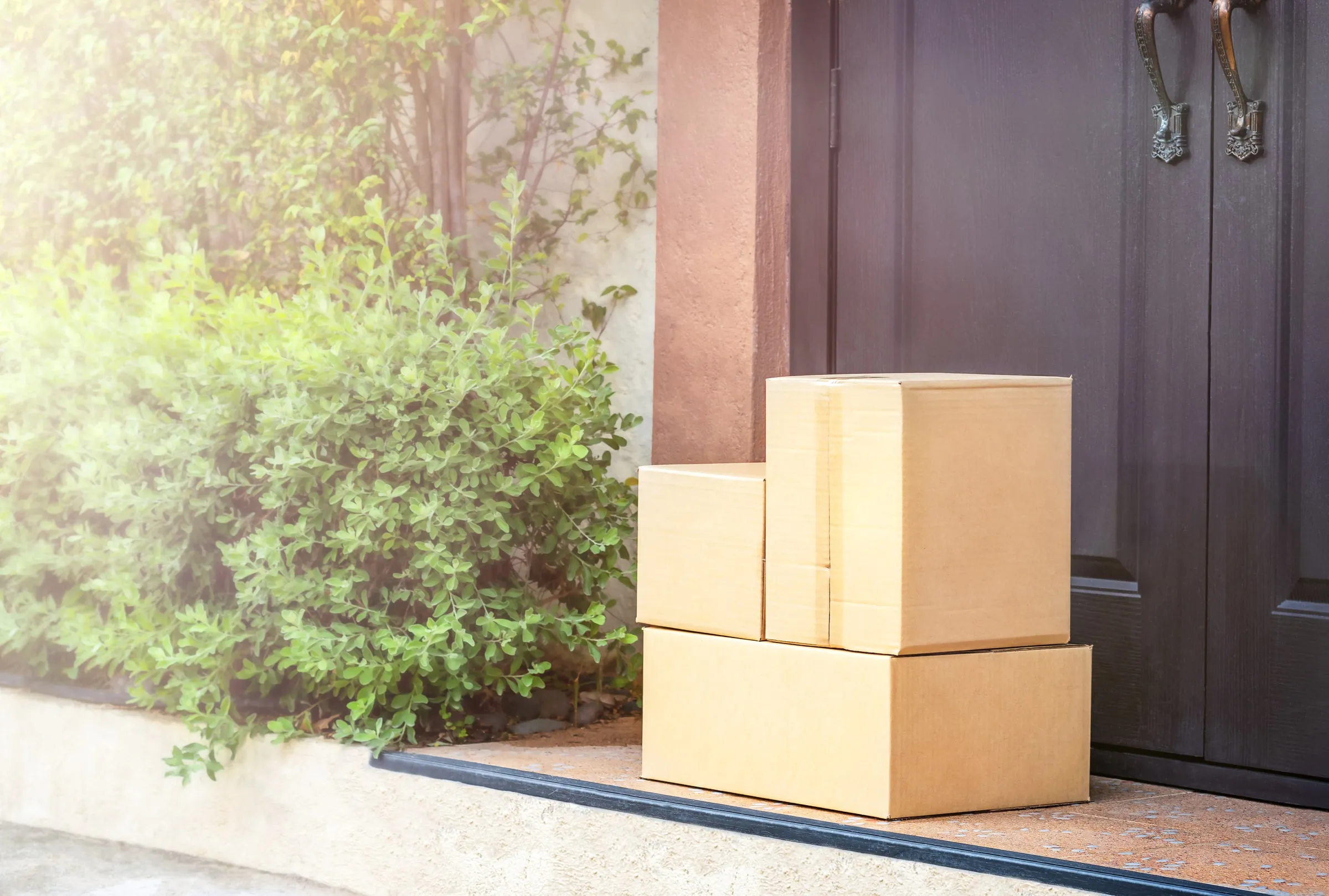
On garden and townhome communities carriers leave boxes on the mat outside the unit. The boxes sit from mid-afternoon until residents get home after six, in open breezeways visible from the parking lot, and the person who follows the delivery van knows exactly where to look.
Lockers that do not close the case
Parcel lockers take the carrier out of the office, but the locker bank sits in a lobby or under a breezeway, oversize boxes get left on the floor beside it, and codes get shared. The office still fields the complaint when a resident's locker is empty.
November through December
Delivery volume climbs through the holidays and so does loss, at the same time that office staff are thinnest and the days are shortest. A community that manages the rest of the year with cameras and a locker bank finds that the six weeks before New Year need a person in the room.
Where the loss actually happens
Package theft at an apartment community is rarely a stranger climbing a fence. It is the propped package room door, the box on the mat in an open breezeway, the locker overflow on the lobby floor, and the person who walked in behind a resident and left with three boxes while the leasing agent was on a tour. The loss happens between the afternoon delivery and the evening collection, and it happens where the office cannot see.
Price Protection sets a package post up around that window. The officer’s hours start before the office closes and run through the evening collection hours, and the post is placed where the boxes are: at the package room door on a mid-rise, near the locker bank on a lease-up, and on a walking round through the breezeways on a garden community where carriers leave deliveries at the door.
What the post orders cover
The manager and dispatch write the post orders before the first shift, and for a package post they are specific. Which carriers deliver and at what hours. Which entrance each carrier is to use and whether the officer meets them there. Whether residents fob into the room or the office opens it. What the officer does with overflow boxes, and whether the community wants the officer to ask a resident leaving with an armful which unit the boxes belong to. What to do when a resident reports a missing delivery: take the details, the carrier, the tracking number and the time it was marked delivered, and pass them to the office in the report rather than promise anything.
What an officer can and cannot do
An officer on a package post deters by being present, observes, describes and reports. Under Texas Code of Criminal Procedure article 14.01 a private person may arrest only for a felony or a breach of the peace committed in their presence, and most package thefts are not either, so the officer does not grab a bag or block a door. The officer keeps the person in view, calls police with a description and direction of travel, notifies the manager, and writes an incident report the same day. Where the community has issued a trespass warning to a repeat visitor, the officer records their return and calls police, who enforce it. Our article on what guards can and cannot do about package theft covers this in more detail. This is a summary, not legal advice.
The holiday weeks
From mid-November the volume rises, the office is short-staffed, and it is dark by six. Communities that manage the rest of the year without a package post add one for those weeks, usually an evening officer from the office’s closing time through the collection hours, seven days a week until the first week of January. Booking it as a temporary post in October means the officer has walked the property and read the orders before the first heavy week.
Getting started
To set up package coverage dispatch needs the address, where packages are received (room, lockers, office or doors), the carriers and their usual hours, whether there is a camera on the area, the evening hours wanted and the manager’s after-hours contact. An unarmed officer can usually be in the package room within hours of the request, and the post orders are refined once the officer has seen a week of deliveries.
How we cover it
Every service, applied to this post.
- Unarmed security guards
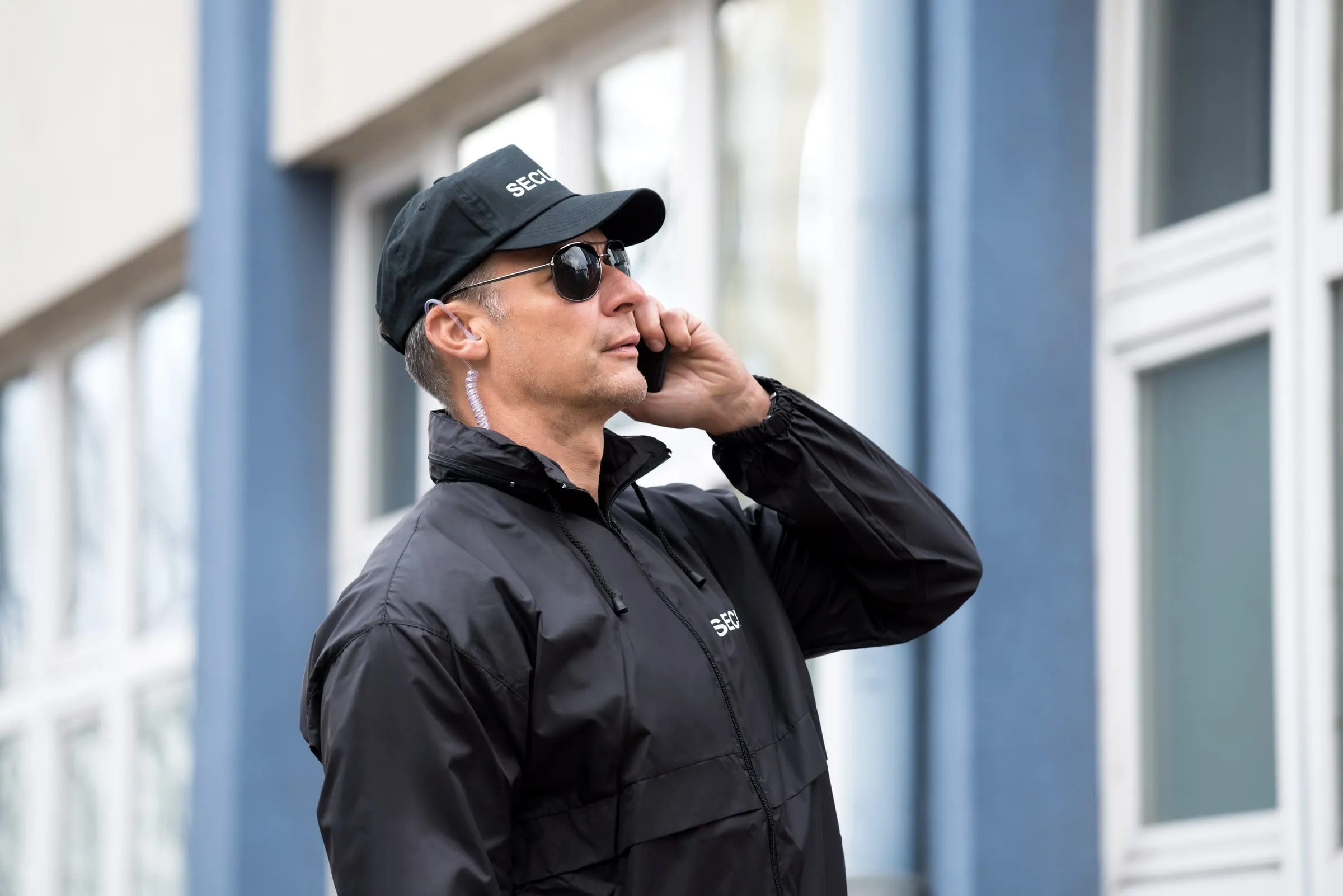
An unarmed officer on an evening post covers the package room or the locker bank at the hours when residents collect, keeps the room door from being propped, and walks the breezeways where doorstep deliveries sit. The post is written around the community's delivery pattern, not around a fixed desk.
- Access control
Where the package room is behind a fob door, the officer confirms that the door closes after each resident and that carriers use the entrance the office has set. On communities that want it, the officer asks anyone leaving with several boxes for the unit they are delivering to, and logs the answer without confrontation.
- Camera monitoring
Most package rooms and locker banks have a camera. The officer watches it from the post between rounds, which is the difference between a recording that shows the theft on Tuesday and someone who walks into the room while the person is still filling a bag.
- Incident reporting
The daily report lists carrier arrivals and the doors they used, times the room was checked and its condition, boxes found left outside units by building, non-residents in the mail area and what was said to them, and any theft reported by a resident with the time the officer was told.
A typical post
What a shift looks like here.
The officer takes the post as the office closes and walks the package room first: how many boxes are on the floor, whether the door is on its closer, whether the locker bank has overflow beside it. Then the breezeways on the buildings farthest from the office, where afternoon deliveries are still on mats, get a pass while there is daylight.
Through the early evening residents collect. The officer stays near the room or the lockers, watches the door, answers questions about missing deliveries by taking the details for the office, and notes anyone who comes in without a fob or leaves with more boxes than a single resident would carry. Carriers arriving late are met at the door the office has chosen.
After the collection hours pass the officer locks or checks the room as the post orders say, walks the breezeways again with a light, notes the units that still have boxes outside, and closes the report with the delivery times, the door checks and any contact, so the office can match complaints to what was seen.
Reporting
What the daily report covers here
Every client receives a written report each day, and officer performance is reviewed and documented daily. This is what the report records on this kind of post.
- Carrier arrivals by company and time, with the entrance used
- Package room and locker bank checks, with the door found closed or propped
- Boxes left outside unit doors after dark, by building and unit
- Non-residents in the package room or mail area, and the outcome of each contact
- Resident reports of missing deliveries, with the time taken and passed to the office
- Camera checks of the parcel area between rounds
Can the officer receive packages from carriers?
Where the community's policy allows it and the post orders describe the process, yes. The officer meets the carrier at the set entrance, walks the delivery to the package room, and logs the carrier and the time. Officers do not sign for packages on a resident's behalf unless the manager has authorized that in writing.
What can the officer do if they see someone walking off with packages?
Observe, describe, and call police. A private person may arrest for an offense committed in their presence only when it is a felony or a breach of the peace, and most package thefts are neither. Our officers follow post orders, keep the person in view, get a description and a direction of travel, and hand the matter to police.
Is a package post worth it outside the holidays?
For communities with a package room that is left propped or doorstep deliveries in open breezeways, yes, because the loss is year-round and the evening collection window is the same every day. Communities with a working locker bank and a controlled lobby often run the post only from November through the first week of January.
Will the officer walk a package to a resident's door?
Not as a routine service. The post is about the room, the lockers and the delivery hours, and the officer needs to stay where the boxes are. Where a resident with a mobility need asks and the manager approves, the post orders can allow it for named units.
How does the officer deal with the carriers themselves?
By the route the office sets. Carriers are met at the entrance the community has chosen, walked to the room or the lockers, and logged. Drivers who prop doors or leave boxes in breezeways are noted by company and time so the manager can take it up with the carrier.
Related pages
Industries we serve
Insights
Glossary
Request a proposal
Request a proposal for package theft prevention.
Two short steps. Dispatch reviews every request and calls you back about coverage. For urgent unarmed coverage we can typically staff most sites within hours.
24-hour dispatch
(281) 326-9189