
Enterprise Security Guard Services for 24/7 Facilities
Posts that never close, a rota with relief built in, and logs written so a corporate security team can hand them to an auditor.
Request a proposalThe industry in Houston
The facility never closes, so the post never closes
A data center, a switching center, a generating plant or a pharmaceutical line runs through the night and through the holiday. The post has to be staffed for all 168 hours of the week, which changes the arithmetic: one post is more than four officers once days off, training and sickness are counted.
One contract, several posts, three shifts. An enterprise site rarely needs one officer. It needs a gatehouse, a lobby, a dock or yard patrol and sometimes a camera room, each with its own post orders, all running at once and handing over at the same times. The rota, the supervision and the reporting are built for the set, not for a single chair.
Compliance is part of the service. The client's auditors and regulators ask the facility to show who was authorized, who came in, who escorted whom and what was logged. Badge checks, visitor records, escort entries and incident reports from the post are the evidence. The officer's discipline with a log is a control, not paperwork.
Procurement buys differently. A facility director does not call for a quote. A procurement team issues an RFP, asks for the DPS license, insurance certificates issued to the client, a transition plan, KPIs and a named account contact, and onboards the vendor into its own systems. We work that process rather than around it.
Property types
Pick the page that matches your property.
Each page below covers the risks, the post, the report and the questions specific to that property type.

Aerospace & defense facilities
Officers who run your visitor, badge and escort procedures exactly as your security office wrote them, on every shift, and hand back records your FSO can file.
Learn more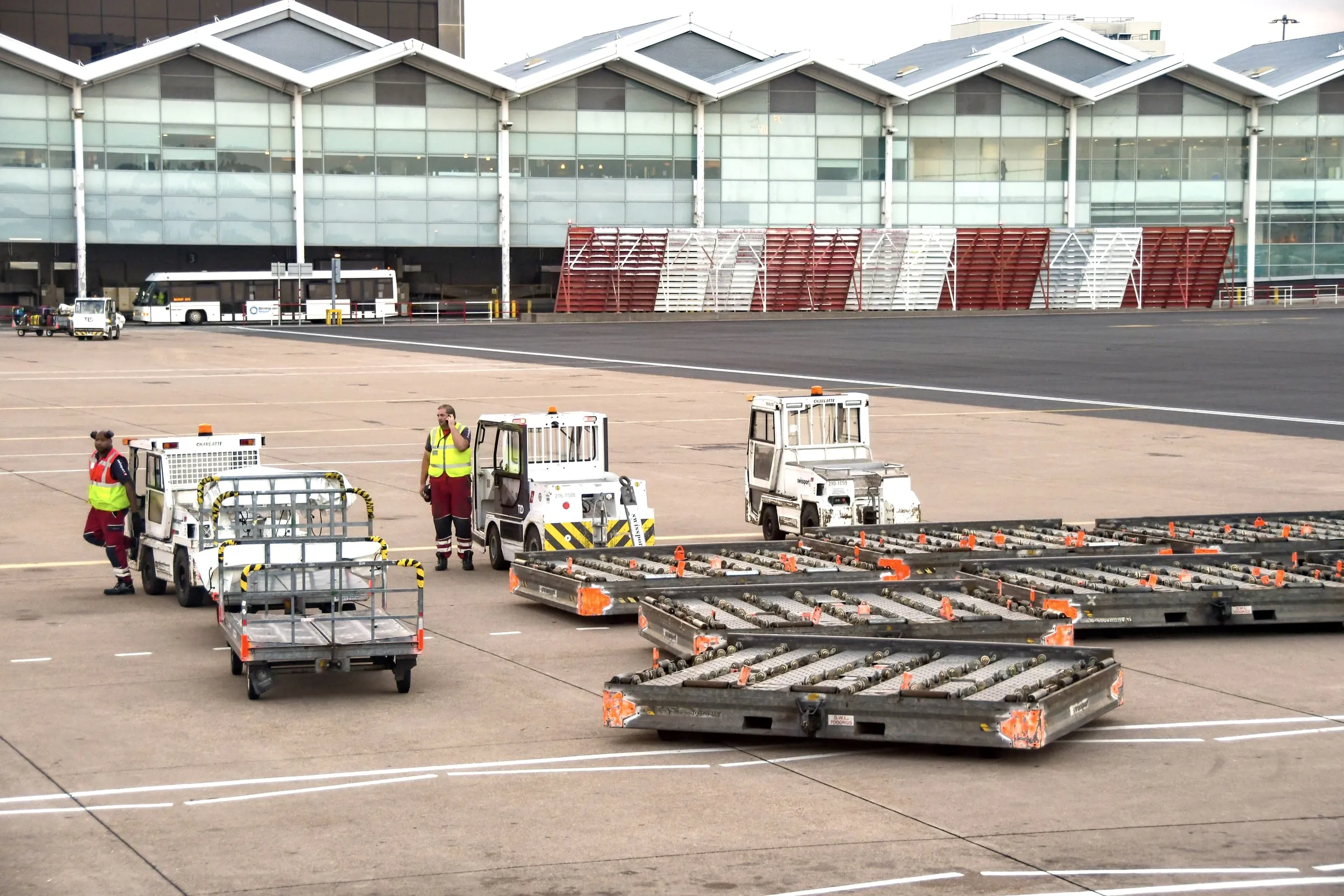
Airports & aviation facilities
Officers who hold the line between landside and airside at your FBO, hangar or cargo building, inside the airport operator's badge rules, every hour you run.
Learn more
Critical infrastructure
A gatehouse that never closes, a patrol that reaches the remote sites, and records that answer a regulator's questions without a reconstruction.
Learn more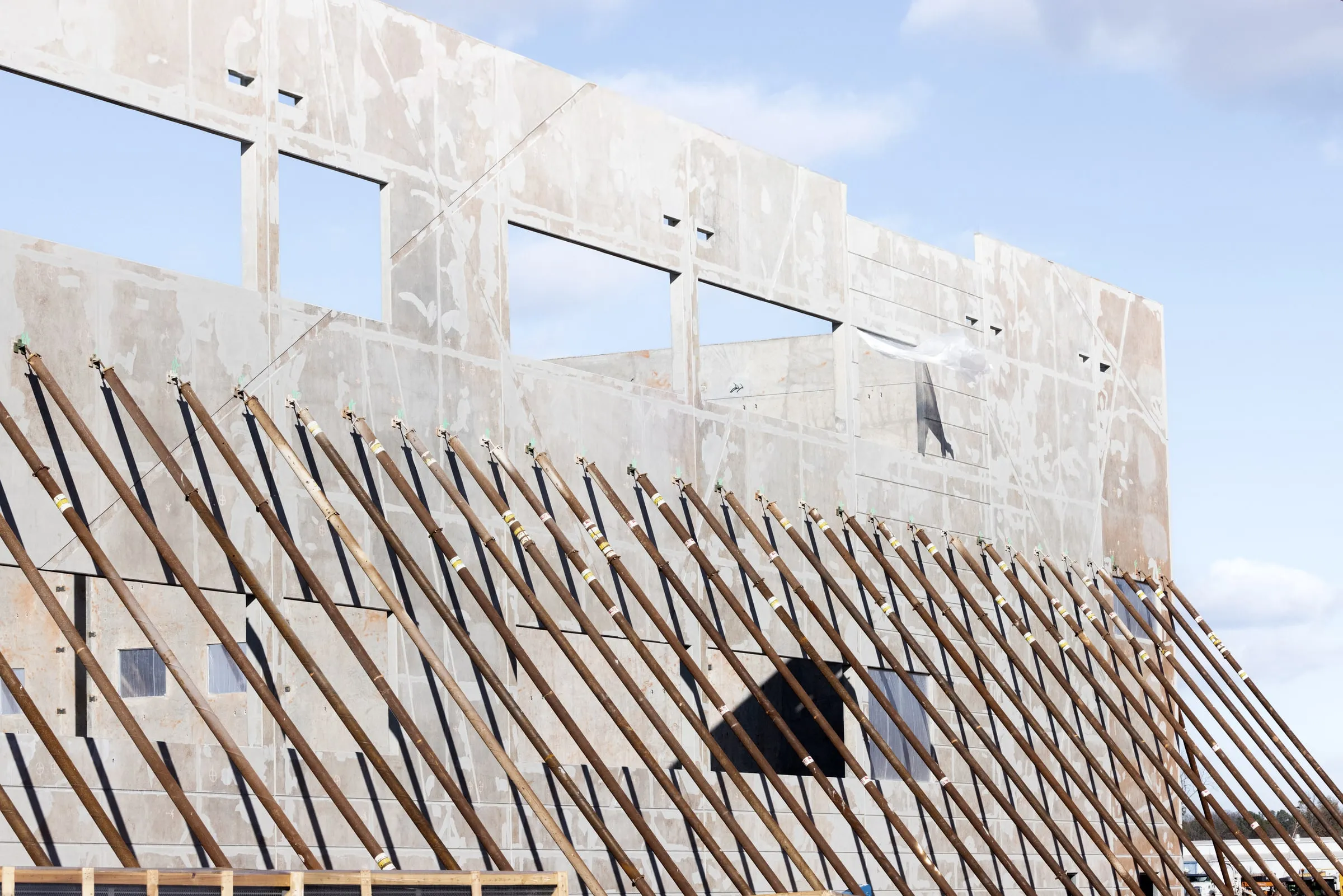
Data center construction sites
A badge check for every trade at every gate, a patrol of the laydown yard through the night, and a clean handover to the operator's team at commissioning.
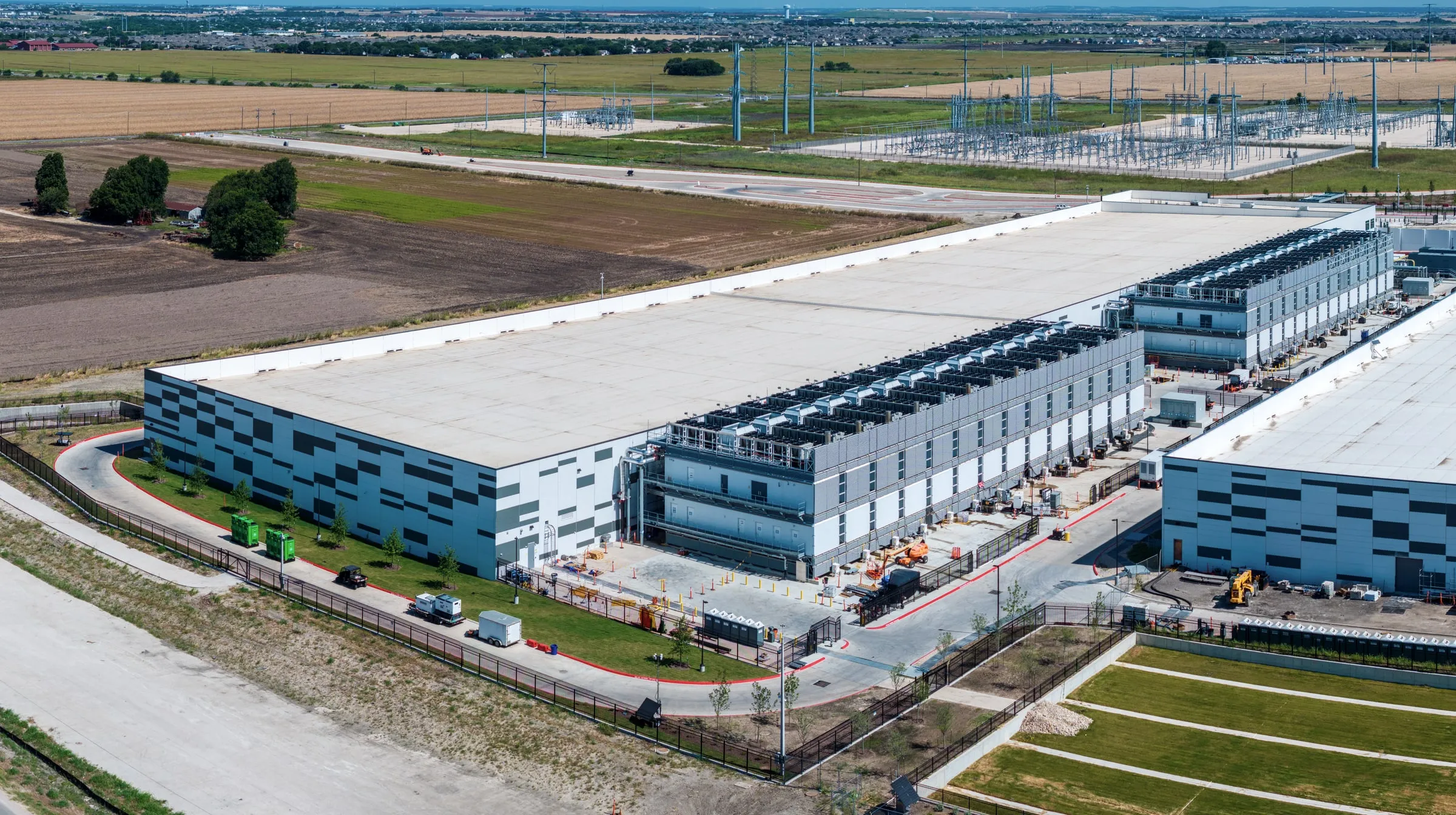
Learn moreData centers
An officer who treats every door as a checkpoint, escorts every vendor without exception, and logs an access record precise enough to answer any audit.
Learn more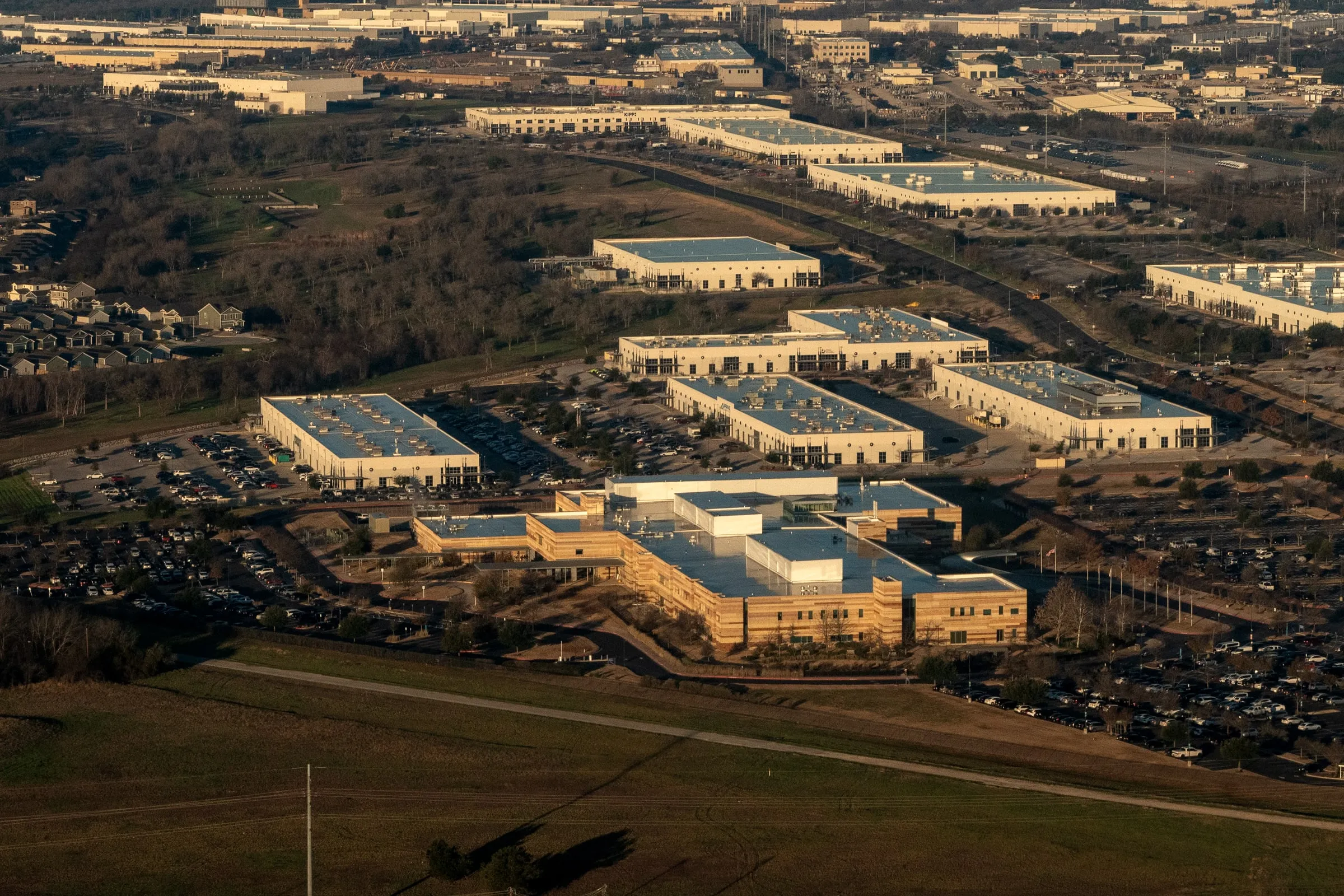
Multi-site corporate portfolios
One standard applied at every address you own or lease, with site-specific post orders underneath it and a single monthly report on top.
Learn more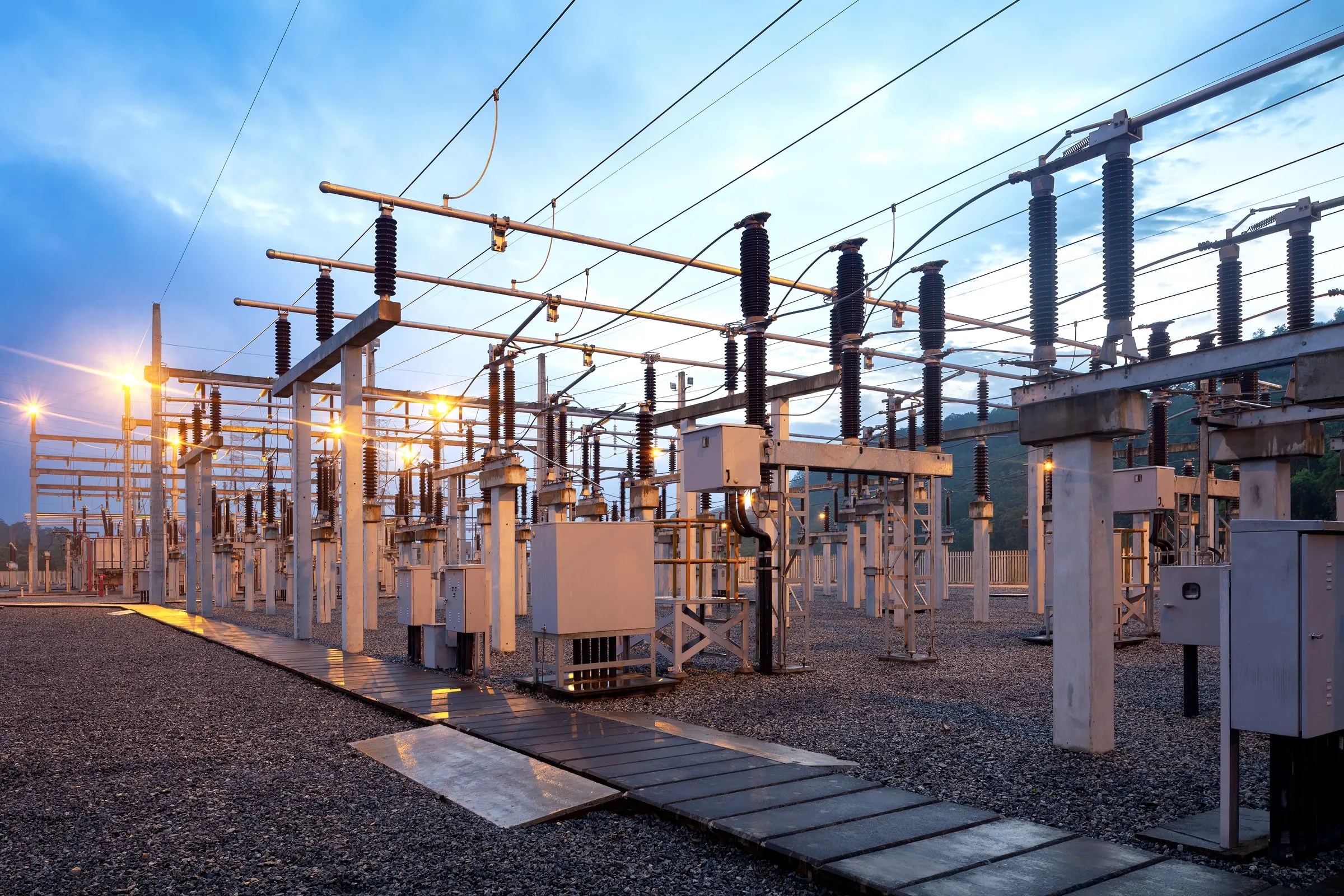
Power plants & substations
A gatehouse that knows the difference between a plant employee, an outage contractor and a fuel truck, and a patrol record a compliance lead can file.
Learn more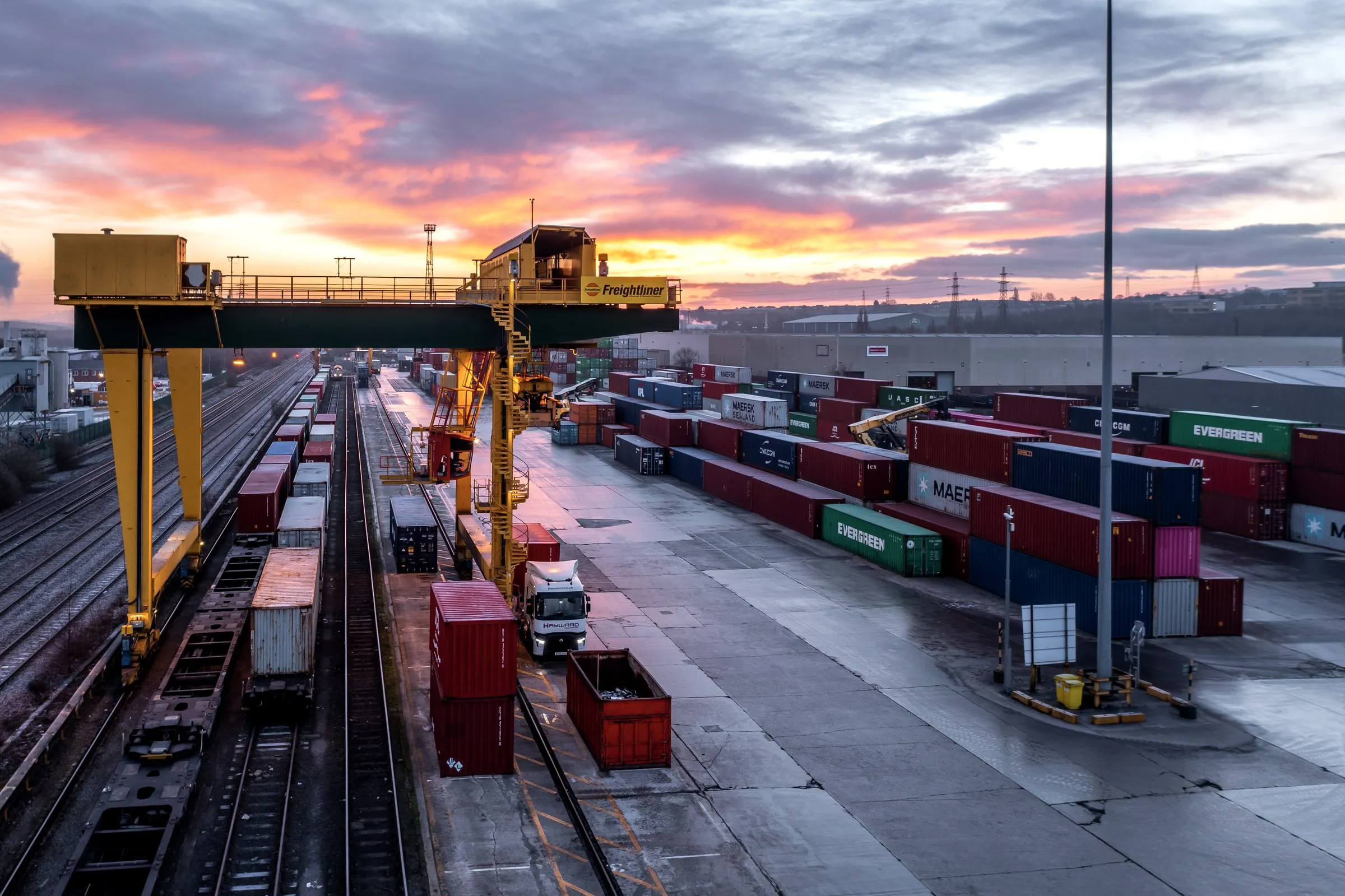
Rail yards & intermodal terminals
A truck gate where every driver, box and seal is checked and logged, and a patrol that works the long fence between trains, with railroad police one call away.
Learn more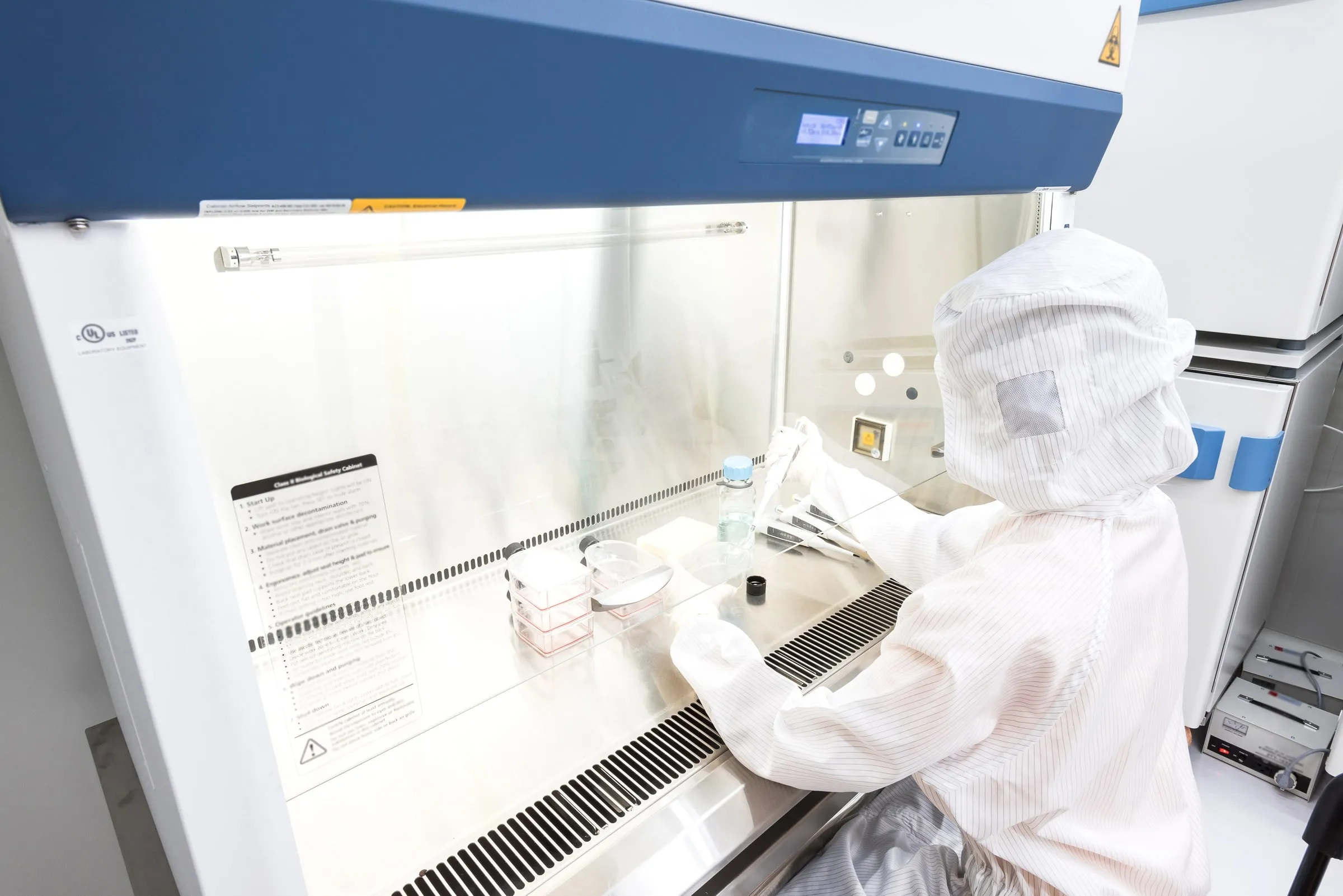
Research labs & pharmaceutical facilities
An officer who holds the badge zone boundary, logs every visitor the way a reviewer wants to read it, and never crosses a gowning line.
Learn more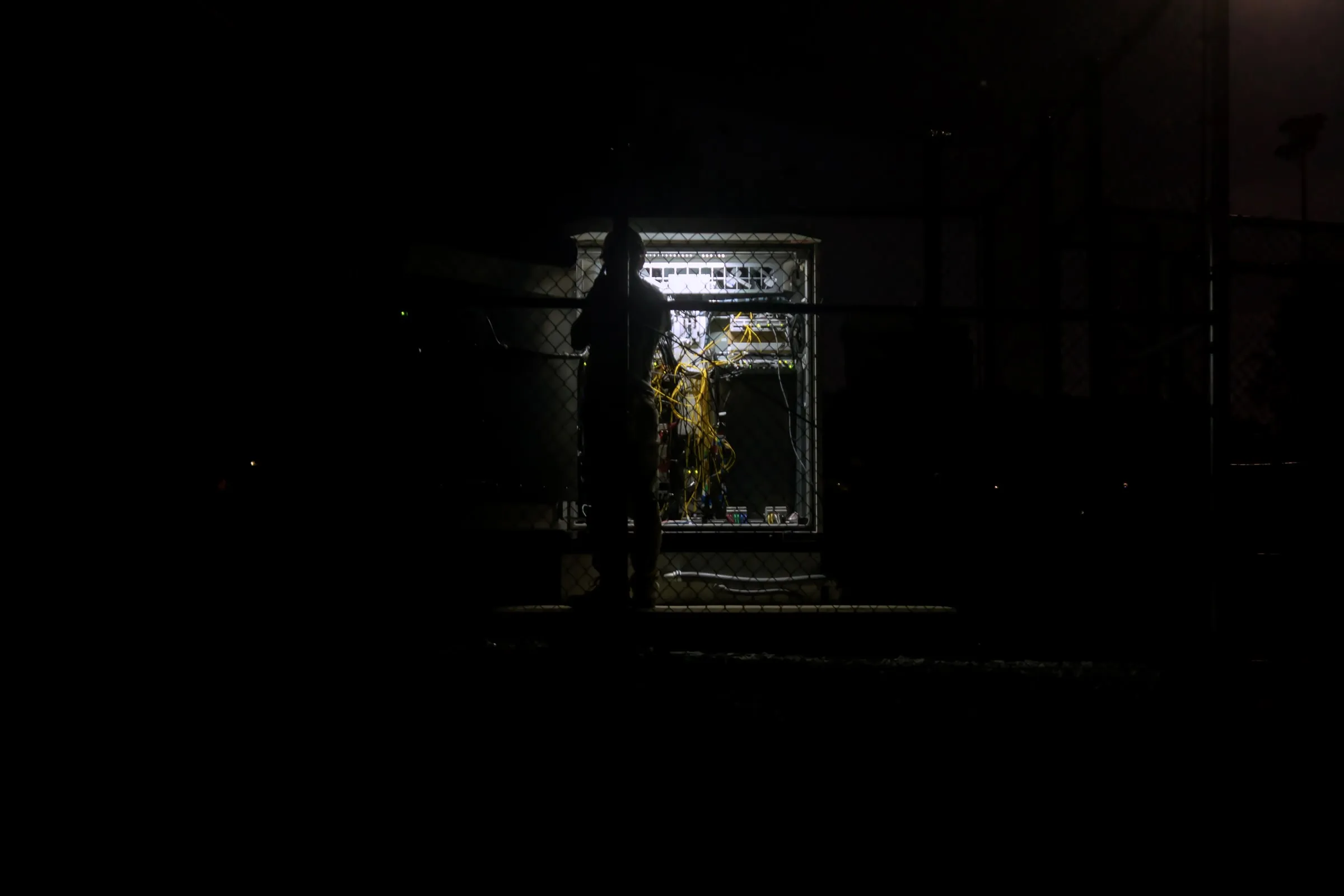
Telecommunications facilities
An officer who admits a technician on a work order and nothing less, walks the generator yard every round, and keeps the NOC informed in writing.
Learn more
How we work here
The services this industry uses.
- Unarmed security guards
Most enterprise posts are unarmed Level II officers in the client's required uniform standard: the gatehouse, the lobby desk, the mantrap, the camera room and the yard patrol. Officers assigned to a continuous post are trained to that facility's access procedures before their first shift, not on it.
- Armed security guards
Where the client's risk assessment calls for it, a Level III commissioned officer holds the gatehouse or the perimeter post at a plant, a substation yard or a facility that has had threats. Armed posts carry their own post orders on use of force and when to call the police, and the client decides which posts are armed.
- Access control
Enterprise access control means working the client's own badge system and authorized lists, not a sign-in sheet: badge verification at every controlled door, visitor and vendor pre-authorization, escorts logged by room and time, and a hold on anyone not on the list until the client's contact clears them.
- Camera monitoring
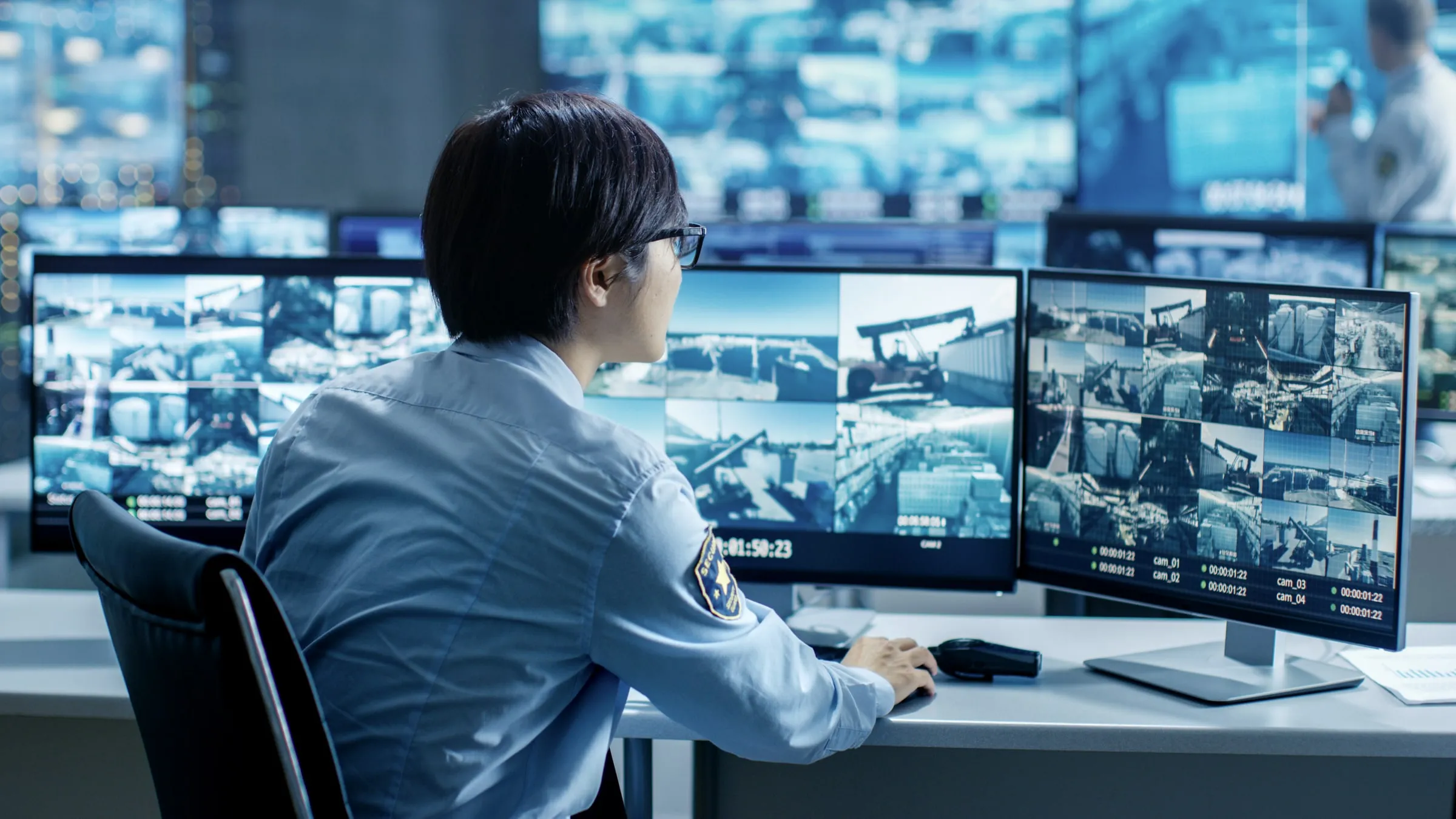
On a facility with a camera room or a GSOC, an officer watches the client's own feeds, directs the roving officer to what the cameras show, and records what was seen and what was done. The officer does not operate a separate monitoring service; the post sits inside the client's system.
- Vehicle patrol
Campuses, plants, substations and construction sites with long fence lines use a marked vehicle on varied routes between the fixed posts, with the officer out of the vehicle at each checkpoint: gates, generator and fuel enclosures, laydown yards, remote equipment pads.
- Incident reporting
Every post produces a daily report in the format the corporate security team asks for, combined across posts where the client wants one document. Incident reports follow the same day. Officer performance is reviewed and documented daily, and the account contact walks through the month's reports with the client.
- Fire watch
Enterprise facilities take sprinkler systems down for expansions and run hot work during builds and outages. Officers trained for fire watch cover the impairment or the permit window under the site's own procedure, with a log kept for the fire marshal, separate from the gate and patrol reports.
How an enterprise engagement starts
It starts with a scope, not a phone quote. A facility director or procurement lead sends an RFP or a scope of work that lists the posts, the hours and the procedures the vendor must follow. We answer it with the Texas DPS license number, the certificates the client’s vendor onboarding asks for, a proposed rota, the names of the account contact and the site supervisor, and a transition plan if an incumbent is in place. The enterprise security guard services page describes that package in detail, and the RFP checklist lists what a facility should ask for.
Site survey and post orders, one post at a time
A supervisor walks the facility with the client’s security manager before anything is signed. A data center campus might have a main lobby and mantrap, a loading dock, a mechanical yard and a perimeter; a plant has a gatehouse, a contractor entrance and a fence line; a corporate campus has a lobby in each building and a garage. Each becomes its own post with its own orders: who may pass, which list the officer checks against, who escorts whom, what the officer does when a badge works but a name is missing, who to call at two in the morning. The orders are the client’s procedures written in a form an officer can follow on a bad night. On a site with several simultaneous posts, multi-post staffing describes how a shift lead coordinates them.
Rota, relief and the hours math
A continuous post is 168 hours a week and 8,760 hours a year. No single officer, and no three officers, can cover that once days off, training, sickness and leave are counted, so every continuous post is built with more than four officers assigned and a relief pool behind them. The rota names who holds each shift on each day, how breaks are covered without an empty chair, and where the handover happens. The staffing guide for a 24/7 post walks through the patterns.
Supervision on every shift, not only days
A supervisor visits the posts on days, evenings and nights, reviews the logs against the post orders, and documents each officer’s performance daily. Night shifts on an enterprise site are where discipline slips without supervision, and they are where the supervisor spends most of the time.
Reporting to a corporate security team
The corporate security team receives a daily report per post, or one combined report for the site, in its own format where it has one. Incident reports go the same day with camera references. Each month the account contact reviews the reports with the client: open post hours, late reports, incidents by category, officer changes. Where a client has defined KPIs, those are the numbers reported.
Audit support
When the client’s auditors ask the facility to evidence physical access controls, the post’s records are part of the answer: authorized lists checked, visitors logged, escorts recorded, badge exceptions written up, incident files complete. We keep logs in a form that can be extracted for a review window. Price Protection does not certify anything; the facility’s auditors judge the facility’s controls, and the officer’s logs are what the facility shows them.
Hurricane season and continuity
From June through November the post orders carry a storm annex: who stays through a shelter-in-place, when officers stand down under a mandatory evacuation, how the post is re-staffed when the roads reopen, and how dispatch and the client reach each other if the facility’s phones are down. A plant or data center that must run through the storm plans its coverage with us before the season, not when the track map turns toward the coast.
Reporting
A written report, every day.
Every client receives a daily report, and officer performance is reviewed and documented daily. Post orders for this industry are written with the property manager before the first shift.
- 24/7
- Dispatch and guards, every day of the year
- 2019
- Providing armed security in Houston since
- 25+
- Communities and businesses on the client wall
- Daily
- A written report to every client
Can you take over from an incumbent without leaving a post uncovered?
Yes, and the method is an overlap, not a switch. We survey each post while the incumbent still holds it, write the post orders with the client, train officers on the client's systems, and start shift by shift on an agreed date so no post is empty between the two contracts. The transition plan is a written document the client approves first.
Who is our point of contact once the contract starts?
A named account contact at Price Protection owns the account, and a site supervisor on larger posts owns the shifts. Dispatch is reachable around the clock at the same number the officers use. The corporate security team gets one escalation path for a staffing question and another for an incident, written into the post orders.
How is a rota built across several posts and three shifts?
Post by post. Each post's hours are totaled for the week, a shift pattern is chosen with the client, officers are assigned with relief and days off built in, and a supervisor's visits are spread across days, evenings and nights. The rota is shared with the client before the first shift and updated whenever the client changes a post's hours.
How does your reporting fit into our corporate security team's own process?
We adopt the client's format where one exists: its incident categories, its report template, its ticketing or GSOC system if officers are given access. Where there is no format, the daily report and incident report templates are adapted to the facility, and the client's compliance team can request log extracts for an audit at any time.
What happens to coverage during a planned outage or a hurricane?
Both are planned in advance. A planned outage or expansion is written up as a temporary change to the post orders with added posts and hours for its duration. For hurricane season, the post orders record who stays, who stands down under a mandatory evacuation, how the post is re-staffed afterward, and how dispatch reaches the client when the facility's own lines are down.
Do you staff armed posts at enterprise facilities?
Where the client's assessment calls for them. Level III commissioned officers hold armed posts at plants, utility yards and facilities under specific threat, with post orders that set out use of force and the police hand-off. Most enterprise posts remain unarmed, and the mix is decided post by post with the client.
Related pages
Insights
Answers
Request a proposal
Request a proposal for enterprise & 24/7 facilities.
Two short steps. Dispatch reviews every request and calls you back about coverage. For urgent unarmed coverage we can typically staff most sites within hours.
24-hour dispatch
(281) 326-9189