
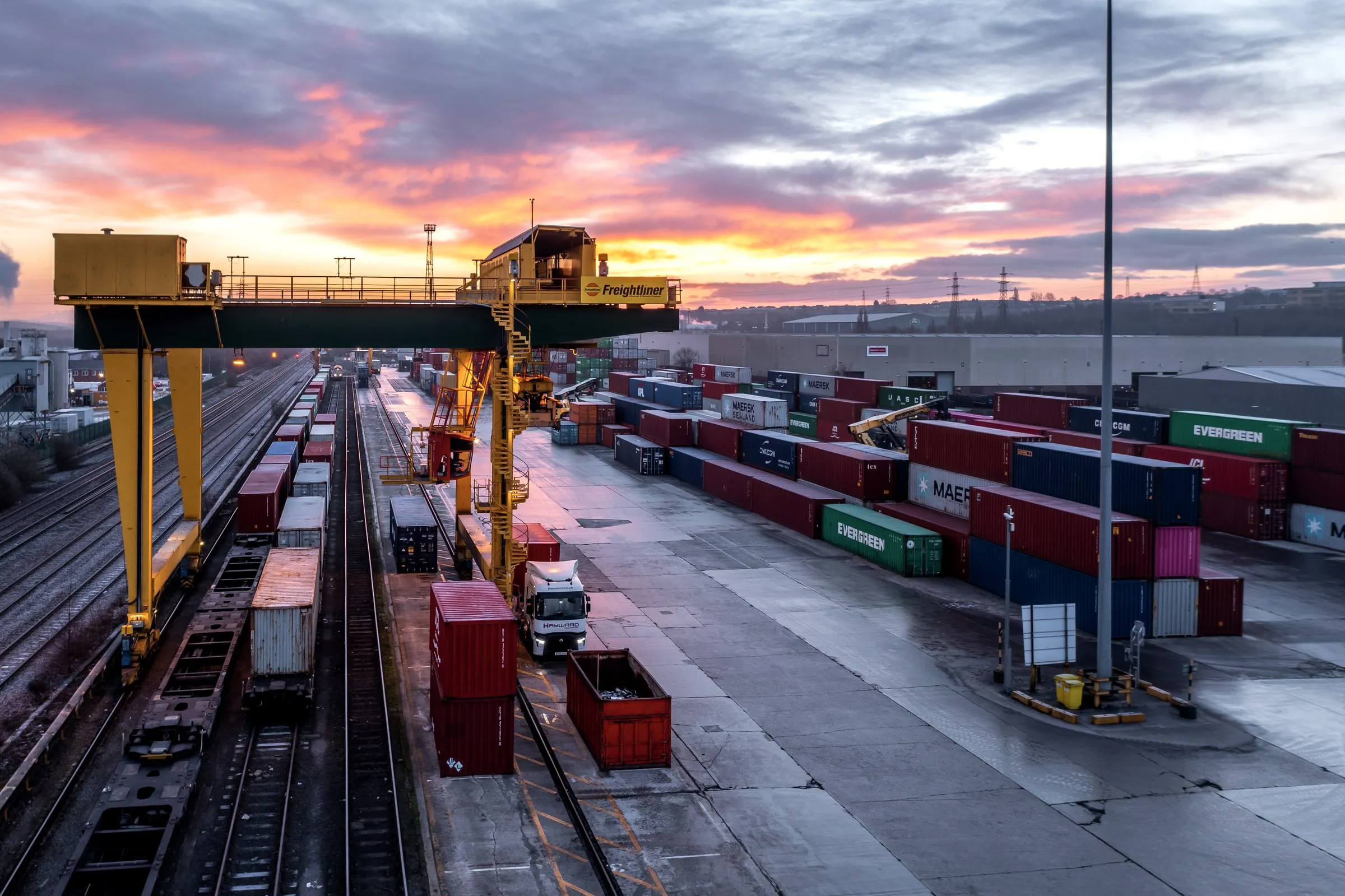
Security Guards for Rail Yards and Intermodal Terminals
A truck gate where every driver, box and seal is checked and logged, and a patrol that works the long fence between trains, with railroad police one call away.
Request a proposalThe situation
What a rail yard or intermodal terminal is up against that a warehouse is not
The truck gate is where cargo theft begins
A fraudulent pickup needs only a driver with a plausible booking number and a gate that does not compare the driver's identification, the carrier and the container number against the terminal's release before raising the arm, and once the box is on the road it is gone.
A broken seal is only evidence if someone recorded it
Seal numbers checked at the in-gate and the out-gate are what lets a shipper show where a container was tampered with, and a terminal whose gate logs seal numbers inconsistently has handed the dispute to whoever has the better paperwork.
The fence is long, dark and crossed by tracks
A rail yard's perimeter runs for a long distance beside roads, bayous and neighborhoods, is pierced wherever a track enters, and is lit mainly at the gates, so trespassers, copper thieves and people walking the tracks reach parked cars and loaded wells without passing a gate.
Trains and drayage never stop
Inbound trains are worked and outbound trains built through the night, and drayage drivers pull containers at whatever hour their appointment falls, so the gate and the yard are active at three in the morning as surely as at noon, and the post must be too.
The truck gate, worked properly
Most cargo theft at an intermodal terminal does not involve a cut fence. It involves a truck that should not have been released. The defense is a gate where the officer compares four things on every transaction, the driver’s identification, the carrier on the appointment, the container and chassis numbers as painted on the equipment, and the seal number as applied to the door, and where any mismatch stops the arm until the terminal’s clerk resolves it. Price Protection staffs that gate alongside the terminal’s own gate system through all three shifts. The officer is not asked to decide whether a driver seems genuine; the officer is asked to match and record, and the record is what the terminal stands on when a shipper files a claim.
Seal verification deserves its own line in the post orders because it is the piece most often done loosely. A seal number read off the paperwork instead of the box is worth nothing; the officer reads it from the door, checks that it is intact and correctly applied, writes it down, and holds the container if it is broken, missing or different from the release.
Fence, tracks and the people who walk them
A rail yard’s perimeter is long, broken wherever a track enters, and lit mainly at the gates. The East End yards and the terminals toward the Ship Channel sit beside neighborhoods, bayous and busy roads, which means people on foot reach parked cars and loaded wells without ever approaching a gate. The patrol runs a timed route with scanned checkpoints along the wire, slows at every track entry, and checks parked equipment for open doors and cut seals. Anyone found on foot is reported with a location and kept in view from a safe distance; railroad police and the local department are the people who deal with them. Our note on how officers coordinate with Houston police applies, with the railroad’s own police as the first call on railroad property.
What a C-TPAT validator wants to see
An importer or carrier in the Customs Trade Partnership Against Terrorism has to show its validator that the terminals in its supply chain meet CBP’s Minimum Security Criteria for physical security and physical access controls: fencing and gates, lighting, locks, alarms and cameras, driver identification, visitor and contractor logs, challenging of unauthorized persons, and seal inspection procedures. The obligation belongs to the terminal and its customers, not to the guard company, and we do not certify compliance. What a properly run post contributes is the evidence: gate logs showing identification checked, seal records by container, patrol checkpoint data along the fence, and visitor and contractor records kept the same way every shift. Our article on C-TPAT physical security criteria walks through each area. That description is a summary of the program as it touches a guard post, not legal or compliance advice.
A yard that never stops
Inbound trains are worked and outbound trains built overnight; drayage appointments fall around the clock. A yard post is therefore a continuous one, 168 hours a week, with a rota that covers three shifts and the relief that days off and training require. Gate volume is not even across the day, so the rota is built from the terminal’s own hourly gate counts: one officer when the gate is quiet, a second during the window after a train’s release when the queue forms. A vehicle patrol runs through the night regardless of gate volume, since the fence does not care when the train arrives. Terminals with a waterside edge will find the marine side covered on our port and marine terminals page; the rail side is this one.
Starting coverage at a terminal
To prepare a proposal we need the gate layout and hourly truck volume, the terminal’s gate system and release procedure, the seal verification rule it wants applied, the perimeter route including track entry points, the badge list and contractor notice procedure, and the contacts for the terminal’s clerk, railroad police and the local department. We walk the gate and the fence with your terminal manager, write post orders for the gate and the patrol separately, build the rota from your volumes, and run the first shifts alongside your clerks so the officers learn the release queue and the yard before they work it alone.
How we cover it
Every service, applied to this post.
- Unarmed security guards
An unarmed officer staffs the truck in-gate and out-gate alongside the terminal's gate system, verifying the driver's identification and carrier against the booking, reading the container and chassis numbers and the seal, and holding any mismatch for the terminal's clerk to resolve.
- Access control
Employees, railroad crews, contractors and visitors enter through a pedestrian or vehicle gate against the terminal's badge list and the day's contractor and visitor notices, with railroad crews recognized by their own credentials as the terminal's procedure directs.
- Vehicle patrol
A marked patrol runs the fence line, the track entry points, the parked-car tracks and the container stacks on a timed route with checkpoints, looking for cut fence, people on foot in the yard, open container doors and lights out, and reporting every finding with a location the terminal can act on.
- Camera monitoring
The officer watches the terminal's gate and yard cameras between truck transactions and dispatches the patrol to anything they show; recording and retention remain on the terminal's own system so its records stay in one place.
- Incident reporting
The daily report lists every gate transaction held and why, every seal discrepancy with the container number, every fence or trespass finding with location and time, and every call to railroad police or the local department, in a form the terminal can produce for a C-TPAT validator or a shipper's claim.
A typical post
What a shift looks like here.
The gate officer starts with the terminal's appointment list and release queue, then works each arriving truck in order: driver's identification against the booking, carrier name against the appointment, container and chassis numbers read from the box rather than from the paperwork, seal number read and written down. A number that does not match is a hold, not a judgment call, and the terminal's clerk clears it or refuses it.
Between transactions the officer scans the gate and stack cameras and keeps the patrol moving. The patrol works the fence from the gate outward, slows at every track entry and every section beside a road or a bayou, checks parked cars and loaded wells for open doors or cut seals, and calls in anyone on foot in the yard so the gate officer can bring railroad police or the terminal's own staff to the location.
At shift change the two officers reconcile the day's holds and seal discrepancies against the terminal's own system, confirm which were cleared and which remain open, and hand over the patrol's open findings, a cut fence awaiting repair, a vehicle parked outside the wire twice, so the night route gives them extra attention.
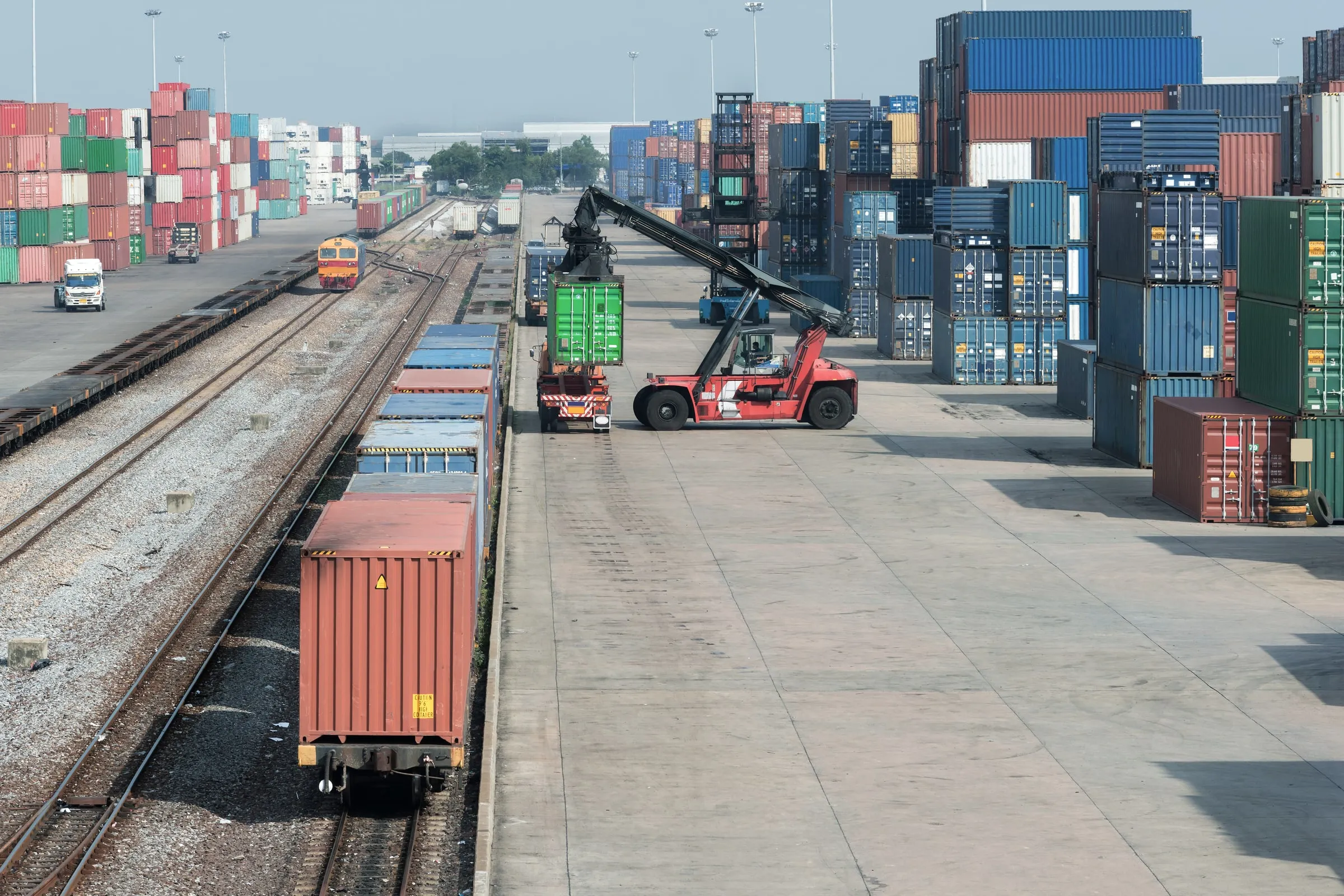
Reporting
What the daily report covers here
Every client receives a written report each day, and officer performance is reviewed and documented daily. This is what the report records on this kind of post.
- Truck transactions held at the gate, with container number, reason and outcome
- Seal numbers found broken, missing or not matching the release, by container
- Fence line and track entry findings, with location and whether repair was requested
- Persons found on foot in the yard, how they were addressed and who was called
- Patrol checkpoint times along the perimeter route
- Calls to railroad police or the local department, with time and reference where given
Questions
About rail yards & intermodal terminals coverage.
Anything else? Call dispatch at (281) 326-9189.
How do your officers work with railroad police?
Railroad police are the enforcement partner on railroad property, and the post orders name them and the local department as the agencies the officer calls, in which order and for what. Officers observe, report and hold a position; they do not detain trespassers in the yard or confront anyone near moving equipment.
Does the gate officer verify seals, or only record them?
Both, as the terminal's procedure directs. The officer reads the seal number from the container, compares it with the release or the shipper's record where the terminal provides one, checks that the seal is intact and properly applied, and logs the result. Any discrepancy is held for the terminal's clerk.
Can the gate post keep up with drayage appointment windows?
The post is sized to the terminal's gate volume by hour so the check is not shortened to keep the line moving. Where volume spikes around a train's release, a second officer is scheduled for that window rather than asking one officer to skip steps.
Do you support our C-TPAT physical security requirements?
The requirements are the importer's or carrier's own, and the terminal shows its validator how it meets them. Our gate logs, seal records, patrol checkpoint data and visitor and contractor records are kept in a form that supports that showing; we do not certify or validate anything.
What does the patrol do about people walking the tracks?
Persons on foot in the yard are reported immediately with a location, railroad police or the terminal's staff are called as the post orders direct, and the officer keeps them in view from a safe distance away from moving equipment. Trespass warnings are issued only where the terminal has authorized the officer to do so.
Related pages
Industries we serve
Services
Service areas
Request a proposal
Request a proposal for rail yards & intermodal terminals.
Two short steps. Dispatch reviews every request and calls you back about coverage. For urgent unarmed coverage we can typically staff most sites within hours.
24-hour dispatch
(281) 326-9189