
Security Guards for Data Center Construction Sites
A badge check for every trade at every gate, a patrol of the laydown yard through the night, and a clean handover to the operator's team at commissioning.
Request a proposalThe situation
What a multi-year data center build asks of site security
Switchgear, generators and copper staged in the open
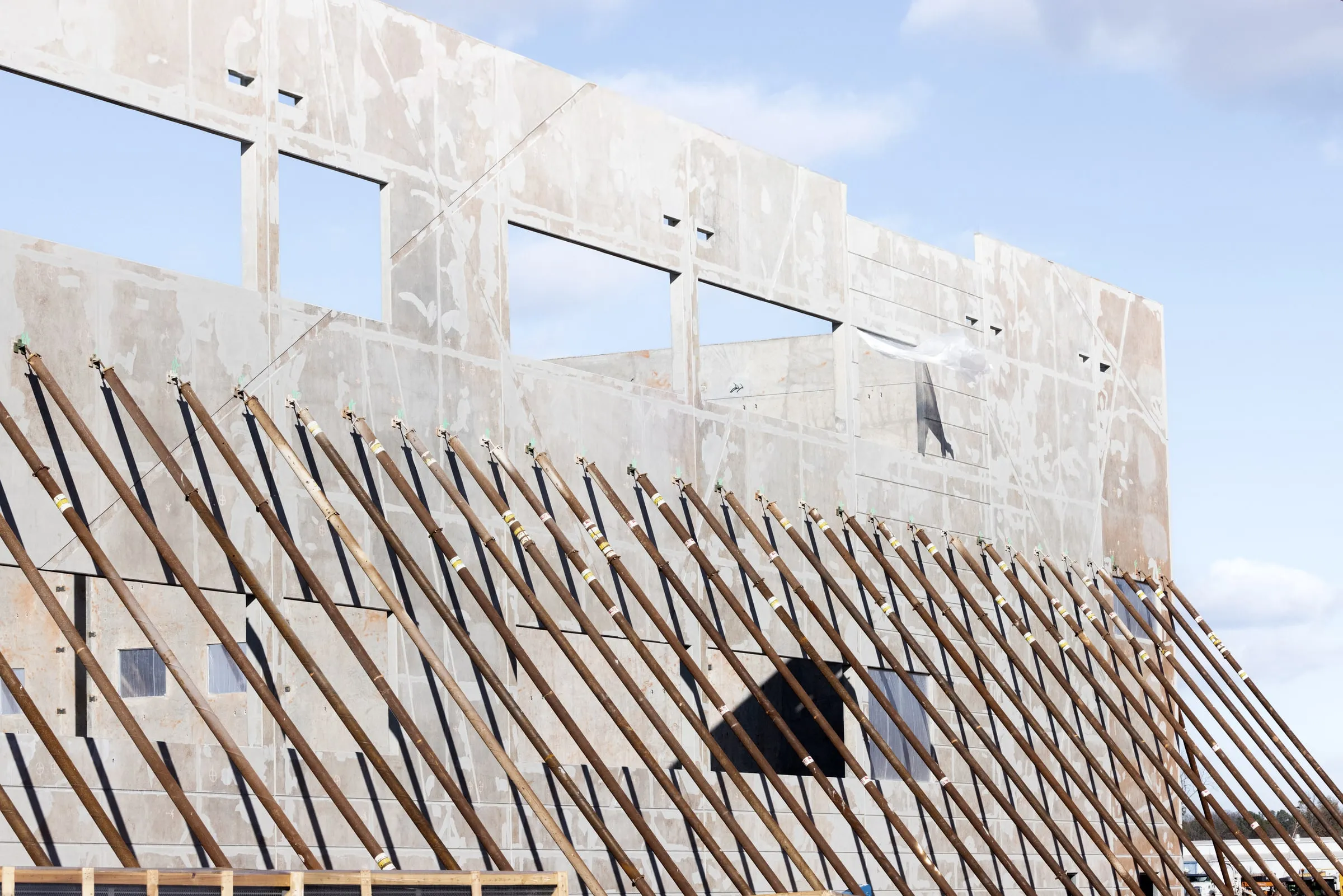
Long before the halls are enclosed, the most expensive items on the job sit in a laydown yard: switchgear, transformers, generator sets, chillers and reels of copper feeder. A fence and a camera do not stop a crew with a truck and a weekend.
Hundreds of trades through one gate
Electrical, mechanical, fiber, low-voltage, concrete and steel crews from many subcontractors badge in each morning, and the owner wants to know who was on the site on any given day. A gate that waves in anyone in a hard hat cannot answer that.
The job runs at night
Slab pours start before dawn, oversize deliveries arrive after the roads clear, and commissioning crews work the hours the schedule gives them. An unstaffed gate overnight is an open site during the busiest delivery window.
Hot work and temporary fire protection
Welding and cutting run across the structure for months, and the permanent sprinkler system is not live until late in the build. Both call for a fire watch under the contractor's permit, with a log the fire marshal can ask to see.
A build that runs through the night
A data center build is a two- or three-year job with a schedule that does not stop at dusk. Oversize loads move after the highway restrictions lift, slabs are poured before the heat, and commissioning crews test systems whenever the equipment is ready. The security post is sized to that reality: a gate officer on every shift, a patrol through the night, and extra posts when a phase brings a surge of trades. The arithmetic is the same as any continuous post, 168 hours a week, which means a relief officer and more than four people assigned per post before the first shift.
The gate is where the trades are counted
The general contractor’s badge system or the daily roster by subcontractor is the list the officer checks every person against. A worker without a badge waits at the gate for a foreman; a visitor without an authorization waits for the owner’s representative. Deliveries are matched to the superintendent’s board and logged with carrier, trailer and gate. The owner’s team wants a record of who was on the site on any given day, and the gate log, kept the same way on every shift, is that record. The commercial construction page covers the general job site; what is different here is the scale and the length of the job.
Laydown yards, switchgear and copper
The laydown yard holds the items that take the longest to replace: switchgear, transformers, generator sets, chillers and copper feeder on reels. The patrol route is built around those yards, with the officer out of the vehicle at each one to check locks, container seals and tarps, and to photograph what has moved. The copper and wire theft and equipment and material yards pages describe the theft patterns in detail; on a data center build the quantities are larger and the yard is open for longer.
Hot work and temporary fire protection
Welding and cutting run across the structure for months, and the permanent suppression system is not live until late in the job. Where the contractor’s permit requires a fire watch, an officer trained for it stands the watch during the work and for the period the permit sets afterward, logged on a separate sheet. Where temporary fire protection is down, an impairment watch runs until it is restored. The hot work fire watch page sets out the OSHA and NFPA requirements and how the permit decides the window. This is a summary, not legal or compliance advice.
Handover at commissioning
As halls are commissioned, the site changes from a job site to a facility. The gate becomes a lobby and a mantrap, the laydown yard becomes a mechanical yard, and the roster becomes an authorized access list. We rewrite the post orders with the operator’s security team as each phase closes, keep the officers who know the site where the operator wants them, and transfer the gate logs and incident files to the operator. The data centers page describes the operating post the build turns into.
Starting coverage on a build
Dispatch needs the site plan with gates and laydown yards marked, the badge system or roster process, the delivery procedure, the hot-work permit process, and the superintendent’s and owner’s representative’s contacts. A supervisor walks the site with the contractor’s safety lead, the post orders are written and approved, and the first shifts start on the date the contractor sets.
How we cover it
Every service, applied to this post.
- Unarmed security guards
Unarmed officers staff the main gate and the delivery gate through all three shifts, in high-visibility over the uniform, with the site's safety orientation completed before the first shift. The night post is a gate officer plus a patrol, not a single officer at a fence.
- Access control
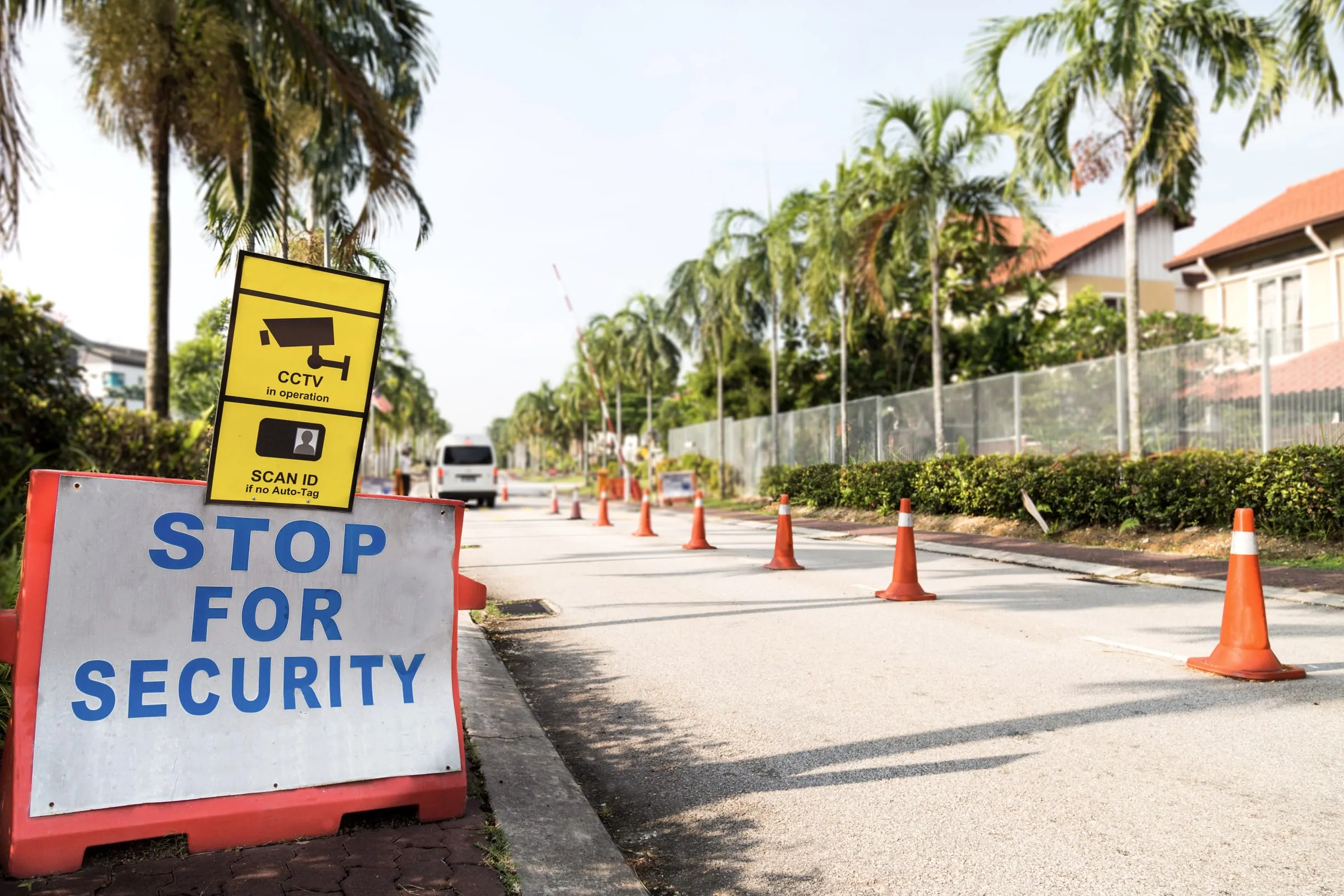
Every worker is checked against the contractor's badge system or the daily roster by subcontractor, visitors are matched to an authorization from the owner's representative or the superintendent, and deliveries are logged by carrier, load and the gate they used.
- Vehicle patrol
A marked vehicle covers the laydown yards, equipment staging, the substation pad, the fence line and the temporary parking lots on varied routes, with the officer out at each yard to check locks, seals on containers and the condition of the fence.
- Fire watch
Officers trained for fire watch cover hot work under the contractor's permit and the period the permit sets after the work ends, and stand an impairment watch where temporary fire protection is down, logging rounds separately from the gate.
- Incident reporting
The daily report reaches the superintendent and the owner's representative before the morning huddle: gate counts by subcontractor, deliveries, yard findings, hot-work watches stood, incidents, and anything the night patrol found open or moved.
A typical post
What a shift looks like here.
The night officer takes the gate as the day crews badge out and the delivery board for the night is handed over by the superintendent: a transformer on a heavy-haul trailer, two concrete trucks for a pour at four, and a fiber crew working late in a hall. Each arrival is matched to the board, logged with the carrier and the trailer number, and directed to the right gate or the right yard.
Between deliveries the patrol officer drives the laydown yards and the equipment staging with lights off on the approach, checks the padlocks on the conex boxes, confirms the copper reels are still under their tarps, and photographs anything that has moved since the previous round. A cut in the perimeter fence is reported to the superintendent at once and watched until it is repaired.
Where a crew is welding after dark, a fire watch officer stands at the work with an extinguisher, watches the sparks, and stays through the window the permit sets after the torch goes cold. That officer logs the watch on the fire watch sheet and does not leave the gate officer's post uncovered to do it.
Reporting
What the daily report covers here
Every client receives a written report each day, and officer performance is reviewed and documented daily. This is what the report records on this kind of post.
- Gate entries by subcontractor and badge, with the gate used and the time
- Deliveries matched against the superintendent's board, with carrier and trailer
- Laydown yard and container checks, with locks, seals and tarps confirmed
- Fence line condition, including any cut, lean or missing panel
- Hot work fire watches stood, with permit reference, start and end times
- Visitors and owner's representatives escorted, with the host named
- Incidents, trespass or attempted theft, with photos and police report number
Questions
About data center construction sites coverage.
Anything else? Call dispatch at (281) 326-9189.
Do you badge every trade or only visitors?
Every person. Workers are checked against the contractor's badge system or the roster each subcontractor submits for the day, and visitors are matched to an authorization from the superintendent or the owner's representative. The gate log is the record of who was on the site, and it only works if nobody is skipped.
What happens when a concrete pour runs overnight?
The pour is on the delivery board the superintendent hands to the night officer, with the batch plant, the number of trucks and the gate they will use. The gate officer logs each truck in and out, and the patrol adjusts its route so the yard is still covered while the gate is busy.
Can the same company cover the site after it goes live?
Yes. The gate and yard posts on the build become the lobby, mantrap and mechanical yard posts of the operating facility, and the post orders are rewritten with the operator's security team as the building is commissioned. The data centers page describes the operating post.
Who writes the gate procedure, the contractor or you?
The contractor owns the procedure and we write it into post orders the officer can follow: which badge system, which roster, which deliveries need the superintendent's sign-off, what to do with a driver who arrives without a purchase order. The post orders are approved by the contractor before the first shift and revised as the phases change.
Do you stand the fire watch for hot work on the build?
Where the contractor's permit calls for one, yes. Officers trained for fire watch stand the watch during the work and for the period the permit sets after it ends, with an extinguisher at hand and a log kept for the fire marshal. The fire watch officer is separate from the gate officer so neither post is left empty.
Related pages
Industries we serve
Insights
Glossary
Request a proposal
Request a proposal for data center construction sites.
Two short steps. Dispatch reviews every request and calls you back about coverage. For urgent unarmed coverage we can typically staff most sites within hours.
24-hour dispatch
(281) 326-9189