
Enterprise and 24/7 facilities
C-TPAT Physical Security Criteria for Warehouses and Yards
By Price Protection SecurityReviewed TX DPS Lic #B09430601
Short answer
C-TPAT's Minimum Security Criteria ask an importer, carrier or logistics provider to show a CBP validator that its facility controls who and what enters, that the perimeter is fenced, lit and alarmed, and that trailers and seals are inspected on a written procedure. A staffed gate and a patrol generate most of the records that evidence those controls: access logs, driver verification, seal checks and perimeter rounds.
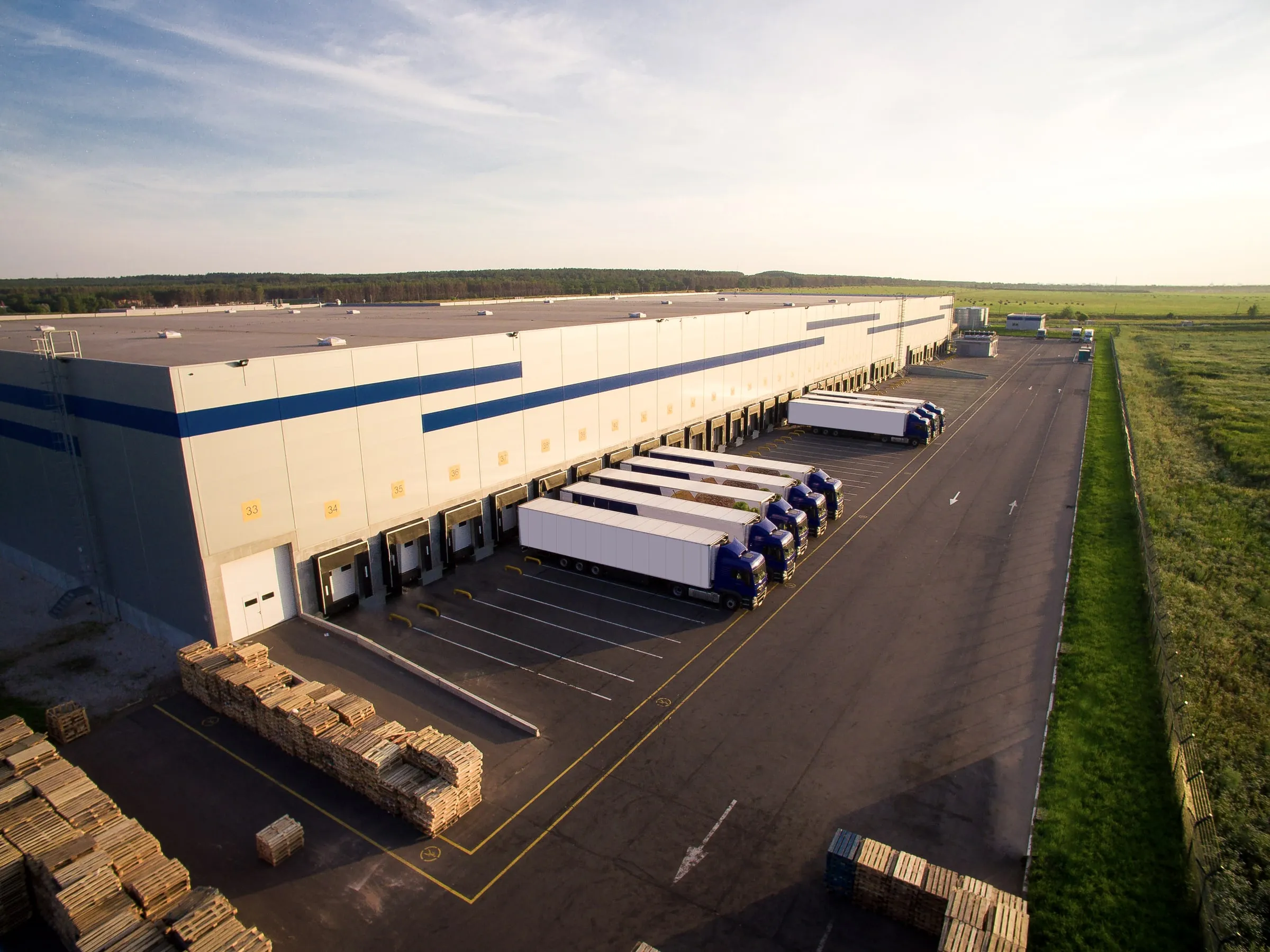
What C-TPAT asks a facility to prove
C-TPAT, the Customs Trade Partnership Against Terrorism, is a voluntary supply chain security program run by U.S. Customs and Border Protection. A company that joins agrees to meet CBP’s Minimum Security Criteria across its operations and to show a CBP supply chain security specialist, during a validation visit, that the criteria are met in practice and not only on paper. The criteria cover a wide field: business partner screening, cybersecurity, personnel vetting, training, procedural security and the physical protection of the facilities where freight is handled. This article covers only the slice that lands on a security guard post: the physical security of the building and yard, the control of physical access, and the gate officer’s part in the facility’s conveyance and seal procedures.
One framing matters before anything else. The member company owns the program. Price Protection does not certify a warehouse, does not hold C-TPAT membership on a client’s behalf and does not interpret CBP’s criteria for an auditor. What a staffed post does is produce, every shift, the records that let the member company show its validator that the controls it wrote down are the controls that actually run. This is a summary of how those criteria and a guard post fit together, not legal or compliance advice. The member’s customs broker, trade counsel and CBP’s own program materials govern.
Physical security: fence, gate, lighting, locks, alarms and cameras
The physical security criteria describe a perimeter that resists and reveals intrusion. Cargo handling and storage areas are enclosed by fencing or walls, and that fencing is inspected regularly for damage. Gates through which vehicles and people enter are kept to the minimum needed for operations and are manned or monitored. Private passenger vehicles are parked away from cargo handling areas. Lighting covers entrances, exits, the yard, the fence line and parking. Doors, windows and gates are secured with locking devices, and management controls who holds keys and codes. Alarm systems and cameras monitor the premises and deter unauthorized access, with footage retained on a schedule the company sets.
A patrol post evidences most of this list by walking it. An officer on a varied round checks the fence line for cuts, gaps and leaning sections, notes lighting that is out, tries secured doors and gates, and records each of these in the shift log with a time. The log is what turns “we inspect the fence regularly” from a sentence in a procedure into a dated record a validator can sample. When a fence panel is found damaged at two in the morning, the entry, the notification to the facility contact and the follow-up on the next shift are the inspection program working as written.
Physical access controls: who enters and how it is recorded
The access control criteria ask that only authorized people and vehicles enter, that they be identifiable while on site, and that the facility can reconstruct who was present. Employees carry a facility credential. Visitors present photo identification, are logged in and out, wear a visible temporary badge and are escorted. Drivers delivering or collecting cargo show identification before being admitted, and the facility keeps a record of arrivals. Deliveries, including mail and parcels, are screened before being distributed. Unauthorized or unidentified persons are challenged and removed, and the procedure for doing so is written down. Access credentials of departing employees and contractors are recovered and deactivated.
This is the gate officer’s whole shift. The visitor log, the driver log, the badge issue and return record and the written challenge procedure in the post orders are the direct evidence for these criteria. The way the entries are made matters as much as whether they exist: a log that records the driver’s name, carrier, trailer number, time in, time out and the dock assigned is a record a validator can trace against a shipping document. A log with a scrawled first name and no time is not. The access control logs article goes through what a usable entry contains, and the check-in procedures article covers the visitor side.
Conveyance and seal inspection: the client’s procedure, the officer’s record
C-TPAT places seal integrity and conveyance inspection at the center of its criteria for anyone handling containers and trailers. The member company writes a seal control procedure: which seals it uses, who may apply them, how seal numbers are recorded on shipping documents, how a seal is verified on arrival, and what happens on a discrepancy. It also writes a conveyance inspection procedure, the systematic check of a trailer or container, inside and out, before loading, to confirm it is sound and empty.
The gate officer’s role is defined by that procedure, not by the officer. On most sites the officer performs the arrival check: reads the seal number on the trailer, compares it with the number on the paperwork, confirms the seal is intact and properly affixed, and records the result with a time. On a mismatch, a broken seal or a seal that looks tampered with, the officer holds the trailer at the gate, does not let the driver proceed, and notifies the shipping office and the facility security contact. The full conveyance inspection itself is usually done by the facility’s own trained staff at the dock; where the client asks the officer to perform or witness part of it, that step and its checklist are written into the post orders and the officer’s acknowledgment is kept with the training records.
Where a guard post appears in a validation
The table below maps the criteria areas that touch a post to the record a Price Protection officer produces. It is a planning aid for the member’s security coordinator, not an interpretation of CBP’s text.
| Criteria area | What the facility must show | What the post produces |
|---|---|---|
| Perimeter and fencing | Fencing in place, inspected, repaired | Patrol log entries, damage reports, follow-up notes |
| Gates and vehicle control | Manned or monitored entry, parking separated | Gate log, vehicle entries, staffed-hours record |
| Lighting, locks, alarms, cameras | Working systems, controlled keys | Round checks, outage entries, key and code log |
| Employee, visitor and driver access | Identification, logging, badges, escorts | Visitor log, driver log, badge register |
| Challenge of unauthorized persons | Written procedure, applied | Post orders section, incident reports |
| Seal verification at arrival | Documented check against paperwork | Seal check entries, discrepancy holds |
Preparing the post before the validator arrives
A facility that knows a validation visit is coming can get the guard post ready in a few concrete steps. First, pull the post orders and confirm they describe the procedures the facility actually wants shown: the challenge procedure, the visitor rules, the seal check, the escalation path for a discrepancy. Orders written years earlier for a different operation are a common finding. Second, sample the logs the way a validator would: pick a date, pick a shipment, and trace the driver, the trailer and the seal from the gate log to the shipping record. Gaps found this way are fixed in the post orders and the officer briefing, not in the week of the visit. Third, confirm each assigned officer has signed the facility’s security awareness material and that the signatures are filed. Fourth, walk the perimeter at night with the patrol route in hand, because lighting and fence conditions are not visible from a daytime site plan.
Price Protection’s supervisors do this review with the client as part of the monthly meeting on any post that supports a trade security program, and the daily report format is adjusted so the entries a validator will ask for are easy to find rather than buried in a general narrative.
Houston freight and where these posts sit
The facilities this applies to around Houston cluster where imported and exported freight is handled: the warehouses and container yards along the Ship Channel, the terminals and chemical logistics sites in Pasadena and Baytown, the rail and intermodal yards in the East End and north of downtown, and the distribution parks along the beltways where imported goods are broken down for regional delivery. On these sites the gate is a C-TPAT control point as much as a security one, and the rail yard and intermodal page describes how the driver and container check runs where trains and drayage meet.
Starting a post that supports the program
A post that supports a C-TPAT program starts the same way any Price Protection post does, with a site survey and post orders written with the client before the first shift, with one addition: the client’s seal procedure, visitor policy and challenge procedure are read into the orders in the client’s own wording so that what the officer does at the gate is what the facility’s written program says happens there. Hours follow the freight. A dock that receives at night, or a yard where trailers sit over the weekend, is covered for those hours, usually as a continuous gate post with a patrol element once the dock closes. From there the daily report, the gate log and the patrol record build the file the member company shows its validator.
Questions
Related questions
Does contracting a guard company make a warehouse C-TPAT compliant?
No. Membership belongs to the importer, carrier or logistics provider, and CBP validates that company's own program. A guard post supplies evidence for the physical security and access control portions. The guard company certifies nothing.
Is C-TPAT required for a warehouse in the Houston area?
It is a voluntary program. Companies join because their trading partners and their own import or export operations expect it, and a facility handling foreign freight is often asked by its customers to show that the criteria are met.
Who inspects the seal, the driver or the officer at the gate?
The facility's written procedure decides. In most setups the gate officer reads the seal, compares it with the paperwork and records the number. A mismatch holds the trailer at the gate and goes to the shipping office before anything moves.
What will a validator want from the guard post itself?
The post orders, the access and visitor logs for the period under review, incident reports, the perimeter patrol records and the acknowledgment that each assigned officer has read the facility's security procedures.
Related pages
Industries we serve
Services
Insights
Glossary
Request a proposal
Request a proposal for your property.
Two short steps. Dispatch reviews every request and calls you back about coverage. For urgent unarmed coverage we can typically staff most sites within hours.
24-hour dispatch
(281) 326-9189