
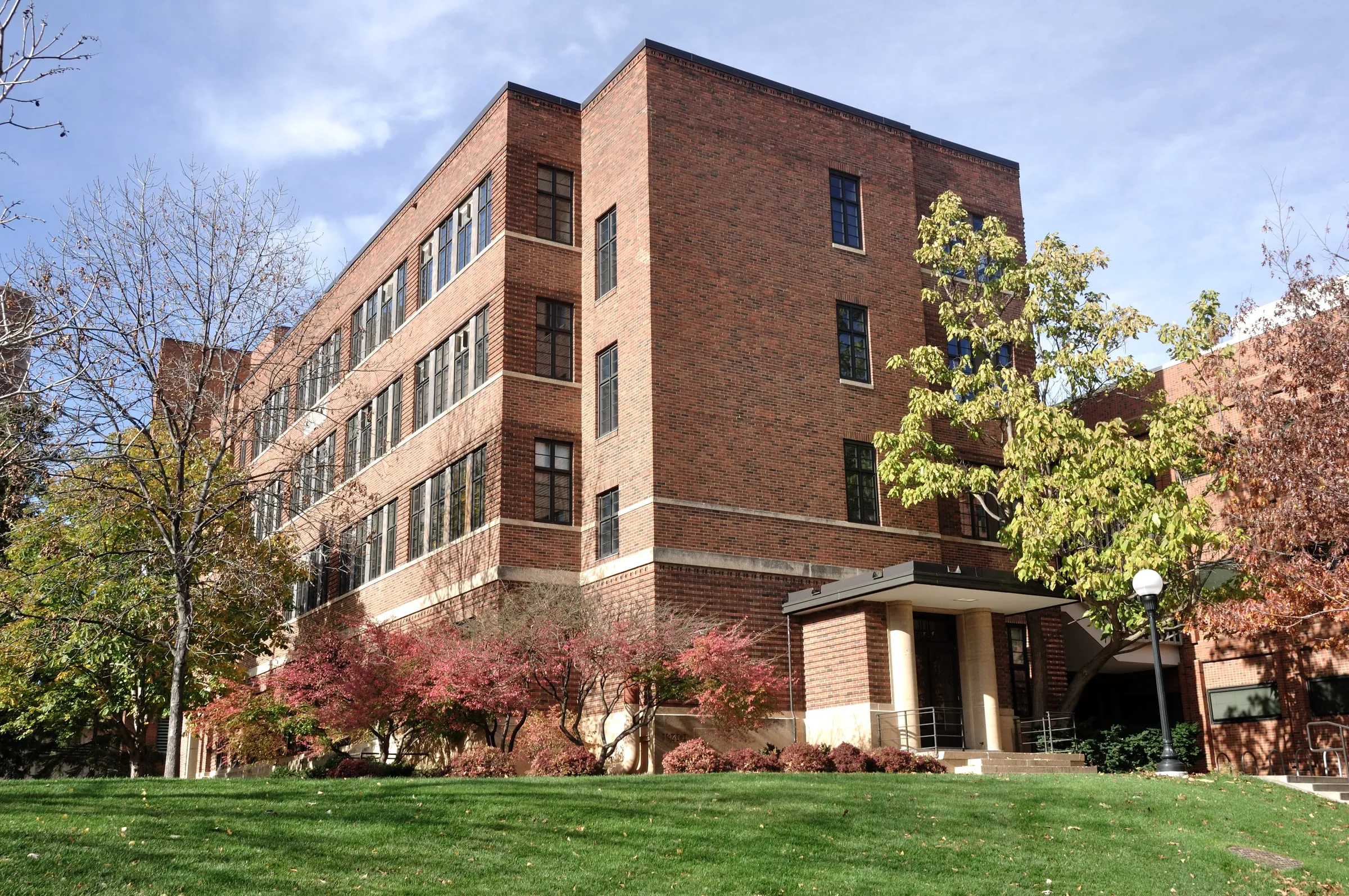
Security Guards for Student Housing
Hundreds of residents on the same lease cycle, guests every night and a campus calendar that sets the pace. We staff the post to that calendar.
Request a proposalThe situation
What student housing properties deal with
The whole property turns over in one weekend
Student communities lease by the bed and fill on a single move-in weekend in August, with parents, rented trucks, propped doors and unfamiliar faces in every building. Move-out in May is the same in reverse, with abandoned furniture, unlocked units and the highest theft exposure of the year.
Guests are the security problem
Residents bring friends, and friends bring friends. Most incidents at student properties involve someone who does not live there: a guest who will not leave, a party that spills into the courtyard, a stranger who tailgated into a secured building behind a resident who did not think to ask.
Late nights are the normal schedule
Activity at a student community peaks between eleven and three, when a conventional apartment property is asleep. Noise complaints, pool parties after hours, and traffic in and out of the garage all happen on a clock that office staff never see.
Duty of care with young adults
Parents, universities and lenders all expect the property to know who is on it and to respond when something goes wrong. Medical calls from alcohol, welfare checks requested by a parent and a resident locked out at two in the morning all land on whoever is on post.
A post that follows the academic calendar
Student housing runs on the university’s clock, and the post has to run on it too. August move-in, the first weekends of the semester, finals, spring break, May move-out and the summer lull each change what the officer is doing and how many officers the property needs. Price Protection writes the post orders with those dates in them, so the community is not renegotiating coverage every month. A typical arrangement is a year-round evening and overnight post, with added officers for the turnover weekends and for the first weeks of the fall semester, when a new cohort is testing the rules.
Guests, tailgating and the secured building
The secured building is only secured if residents do not hold the door, and at a student property they will hold the door for anyone carrying a pizza. The officer’s presence at the lobby and the garage entrance changes that, partly by checking and partly by being seen to check. Guest policies are enforced as written: sign-in where the community requires it, a limit on how long a guest stays where the lease sets one, and a firm, polite conversation with anyone who is on the property without a resident. Officers are trained to keep those conversations short and calm, and to call for help early rather than late.
Nights, noise and the neighbors
Noise is the complaint that gets a student community into trouble with its neighbors and its city. The officer is the community’s same-night response: a knock, a name, a reminder of the policy and a note in the report. Repeat units go to the manager the next morning with dates and times, which is what lease enforcement needs. Parties on the amenity deck after closing are cleared the same way, and the pool gate is checked on every round after hours because it is the first thing a group tests.
What the manager gets
A report every morning, with the guest activity, the calls, the checks and the rounds, in enough detail to answer a parent who phones on Monday or a university partner who asks for the incident history at renewal. Officer performance is reviewed daily against that report, and the same officers work the property so they learn the residents. To start coverage, dispatch needs the address and bed count, the hours, the guest and noise policies, whether the buildings and garage are controlled, and the manager on duty rotation; unarmed coverage can typically begin within hours when a community needs it quickly.
How we cover it
Every service, applied to this post.
- Unarmed security guards
An unarmed officer on an evening and overnight post, in uniform, is the standard for student housing. The officer's job is to be visible, to talk first, and to keep the property's rules the same at two in the morning as they are at two in the afternoon. Customer service training matters as much as patrol training here.
- Access control
Where the community has a controlled lobby or a garage gate, the officer checks residents in, signs guests in against the guest policy, and stops tailgating into secured buildings. During move-in weekend the post shifts to the loading zones, keeping doors from being propped for hours and keeping trucks moving.
- Vehicle patrol
Larger communities with surface lots and a garage add a vehicle round to cover parking, the perimeter and the bus stop or campus path entrance. The vehicle is also how the officer reaches a call on the far side of the property quickly.
- Camera monitoring
Student properties usually have cameras in the garage, the lobby and the amenity deck. The officer watches them from the post between rounds, which is how a party on the pool deck after hours or a group in the garage gets a response before a resident calls.
- Incident reporting
The daily report records guest sign-ins where the post handles them, noise and party calls with the units involved, welfare checks and medical calls, trespass warnings and every round. Managers use it for lease enforcement and for the questions parents ask.
A typical post
What a shift looks like here.
On a regular night the officer takes the post at the lobby or the office at ten, walks the amenity deck and the pool at closing, and starts a round through the buildings and the garage. Noise calls start after midnight; the officer knocks, asks for the resident by name, explains the policy and logs the unit, and calls the manager on duty if the same unit comes up again.
Around one the officer checks the garage levels on foot, looking for propped stair doors, groups that do not belong and cars that have been backed into corners. A guest who has been asked to leave and has not is walked out; a guest who refuses is a call to police, and the officer waits with them at the entrance.
The last hours are quieter: rounds through the courtyards, a check of the study rooms and the clubhouse for anyone who has settled in for the night, and the daily report, finished before the morning shift at the office arrives.
Reporting
What the daily report covers here
Every client receives a written report each day, and officer performance is reviewed and documented daily. This is what the report records on this kind of post.
- Guest sign-ins and refusals at the lobby or gate, by building
- Noise and party calls with the unit, the time and the outcome
- Welfare checks and medical calls, with the time police or EMS were notified
- Propped doors and tailgating observed at secured entrances
- Garage and parking rounds, with vehicles logged
- Amenity deck and pool closings and anyone cleared after hours
- Trespass warnings issued to non-residents
Can you cover just move-in and move-out weekends?
Yes. Many student communities add officers for the move-in weekend in August and the move-out week in May on top of their regular post, or run those weekends as a stand-alone temporary post. Dispatch staffs the loading zones, the garage and the building doors for the hours the community sets.
How do officers handle guests who are residents' friends?
By the guest policy in the post orders, applied the same way to everyone. The officer asks for the resident, explains the rule, and gives the guest a chance to comply. Officers are trained in de-escalation and talk first; a guest who will not leave is a matter for police, and the officer calls them.
Do officers do welfare checks if a parent calls?
Where the community's policy allows it and the post orders say how, yes. The officer knocks, confirms the resident is safe, notifies the manager on duty and records the check. Officers do not enter units on their own; entry follows the community's procedure.
What happens when a resident is intoxicated and needs help?
The officer calls EMS, stays with the resident, notifies the manager on duty and writes an incident report the same day. Officers are trained in first aid and in when to call rather than treat.
Are your officers comfortable with a college-age crowd?
The officers assigned to student posts are chosen for it. The job is mostly conversation with people who are not doing anything wrong yet, and the post orders and the training are built for that.
Related pages
Industries we serve
Services
Service areas
Insights
Glossary
Request a proposal
Request a proposal for student housing.
Two short steps. Dispatch reviews every request and calls you back about coverage. For urgent unarmed coverage we can typically staff most sites within hours.
24-hour dispatch
(281) 326-9189