
Property manager guides
What to Put in a Security RFP for an Apartment Community
By Price Protection SecurityReviewed TX DPS Lic #B09430601
Short answer
An apartment security RFP needs the property described the way an officer will actually experience it: unit count, buildings, gates, pools and package areas, and the pattern of incidents that prompted the search. It should specify posts by hours and type rather than a lump budget, ask for a sample daily report and post orders, require proof of the Texas DPS license, and set a walk-through date, since a bid written without seeing the property is a guess.
Describe the property the way an officer will meet it
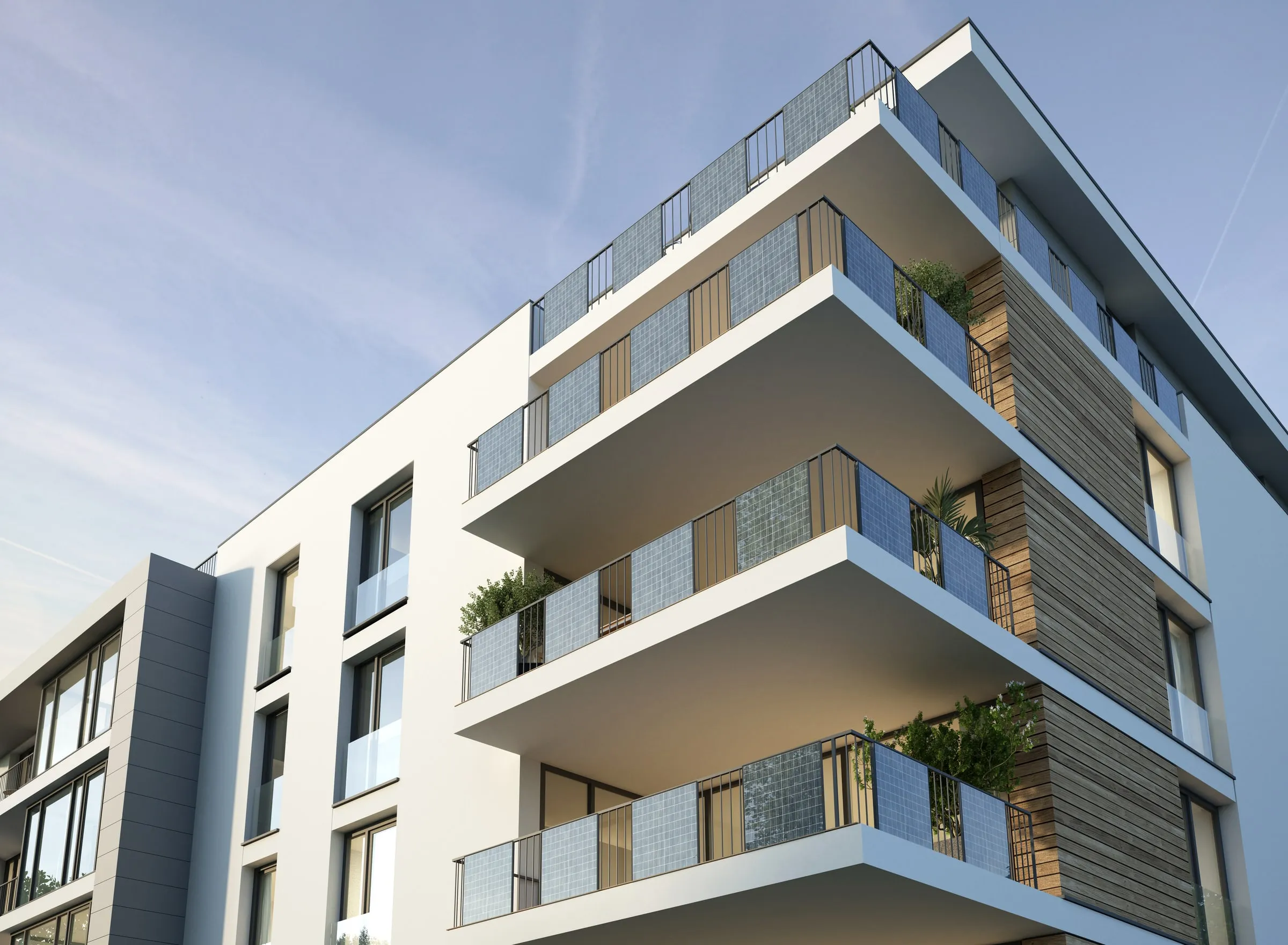
An RFP for an office building can get away with square footage and a lobby description. An apartment community cannot, because the risk is spread across buildings, breezeways, a perimeter and whatever amenities draw people after the leasing office closes. Name the unit count and building count, whether the property is garden-style, mid-rise or a mix, the number and type of vehicle and pedestrian gates, the pool and clubhouse and their hours, the package room or locker bank, the parking lots or garage, and any history that prompted the search: a run of vehicle break-ins, a pool that draws non-residents, a package room that gets propped open. A bidder who reads that paragraph can price the property; one who reads “312 units, gated” is pricing a guess.
Ask for posts by hours and type, not a total budget
The scope section is where most apartment RFPs go wrong. Asking for “evening security” or setting a monthly number and asking bidders to fit it invites proposals that cannot be compared, because one bidder assumes six hours and another assumes ten. Write the scope as posts: an evening and overnight patrol post from a stated start time to a stated end time, seven nights or a specific set of nights, unarmed unless the property has a reason for armed coverage; a gate post if one entrance needs to be staffed separately from the grounds; a weekend amenity post for the pool season if that applies. Where weekday and weekend patterns differ, price them as separate lines rather than one blended rate, since a Friday and Saturday night at a community with a busy pool deck is a different post than a Tuesday.
| Scope element | What to specify |
|---|---|
| Patrol post | Start and end time, nights per week, foot or vehicle |
| Gate or lobby post | Hours staffed, and whether it runs alongside a separate patrol |
| Seasonal or weekend post | Amenity covered, months and days, and whether it stands alone or extends an existing post |
| Armed vs unarmed | State the assumption for each post so every bid prices the same mix |
| Temporary or event posts | Move-in weekends, holidays, or a specific incident window, priced separately from the standing posts |
Require the license number and the sample documents
Every bidder should provide its Texas Department of Public Safety license number and class before the walk-through, so it can be checked against the department’s public search rather than taken on faith. Ask for a certificate of insurance naming your entity as additional insured, and for a sample daily activity report and a sample set of post orders, redacted if needed. These two documents tell you more about how a company actually runs a post than any paragraph in a cover letter, because they show the level of detail an officer is expected to write down and the structure a supervisor is expected to enforce. A bidder who cannot produce either has probably not run the kind of post you are asking for.
Set a walk-through date, not a submission deadline alone
A bid priced from a site plan or a phone call is a number without a basis. Set a date, or a short window, for bidders to walk the property with a supervisor before pricing it, at the hours the coverage would actually run if that is practical, so the proposal reflects the lighting, the traffic and the layout rather than an assumption. Communities with a pool, a garage or a phased build-out benefit especially from this, since those features change what a post actually takes to cover and rarely show up accurately on a floor plan.
State the reporting cadence you expect
Say, in the RFP, how often you want to receive the daily activity report, who it should go to, and how incident reports should be handled: the same day, with photographs, referenced from the daily report by time. This is a small section but it sets an expectation from the start rather than becoming a negotiation after the contract is signed, and a company’s answer to it tells you something about how seriously reporting is treated internally.
Decide how you will evaluate what comes back
List the criteria the RFP will be judged on before the bids arrive: licensing and insurance in order, the quality of the sample post orders and reports, the supervision plan, the officers proposed and how assignment stability is handled, and price on the stated scope. Communities that skip this step often end up choosing on price alone once the numbers are in front of them, even when the RFP itself asked for more. Writing the criteria down first keeps the comparison honest.
Building the document
The security RFP template for property managers has sections for all of this, from property description through pricing format and evaluation, and can be filled in and sent to more than one bidder as it stands. For the broader question of how to run the hiring process around the RFP, from the first call through the first month of reports, see the hiring checklist. If your community has not yet decided how many posts it actually needs, how many security guards does an apartment community need works through that question before the RFP is written, so the scope section starts from an answer rather than a guess.
Questions
Related questions
Should the RFP go out before or after we know our budget range?
After you have a rough range, so bidders are not asked to guess at a number that later gets rejected, but before the range is fixed, since the walk-through and the bids are what tell you what the posts you want actually take to staff.
How specific should the scope section be about our amenities?
As specific as the property itself: name the pool, the clubhouse, the package room or lockers, the parking structure, and the hours each one is used, rather than writing 'amenities' and letting bidders assume. Vague amenities in the RFP produce vague post orders later.
Do we need separate line items for weekday and weekend coverage?
If the pattern differs, yes. Many communities need heavier coverage Friday through Sunday and lighter coverage midweek, and a single average rate across the week hides that difference and can misprice both.
Should the RFP ask bidders about apartment-specific experience?
Ask what property types the bidder currently staffs and for how long, in general terms, since a company used to office lobbies works differently from one used to garden communities. Do not ask for named client references without checking that your own communities are comfortable being named back.
Related pages
Industries we serve
Services
Insights
- How to Hire a Security Guard Company in Houston: A Property Manager's Checklist
- How Many Security Guards Does an Apartment Community Need?
- Static Post vs Patrol: Which Coverage Fits Your Property
- Church Security Planning: A Practical Guide for Ministry Leaders
- Construction Site Theft in Houston: What Gets Stolen and When
- Holiday Security Planning for Property Managers
Answers
Glossary
Request a proposal
Request a proposal for your property.
Two short steps. Dispatch reviews every request and calls you back about coverage. For urgent unarmed coverage we can typically staff most sites within hours.
24-hour dispatch
(281) 326-9189