
Houston and local
Security for The Woodlands and Montgomery County
By Price Protection SecurityReviewed TX DPS Lic #B09430601
Short answer
Montgomery County holds two different growth patterns side by side. The Woodlands is a single, tightly planned township with its own villages, associations and public realm, where coverage is organized around amenity centers, trails and a Town Center that behaves like a small city. Conroe and the corridor around it are growing in the more conventional way Houston suburbs usually do, subdivisions and commercial pads spreading along I-45 with less centralized planning behind them.
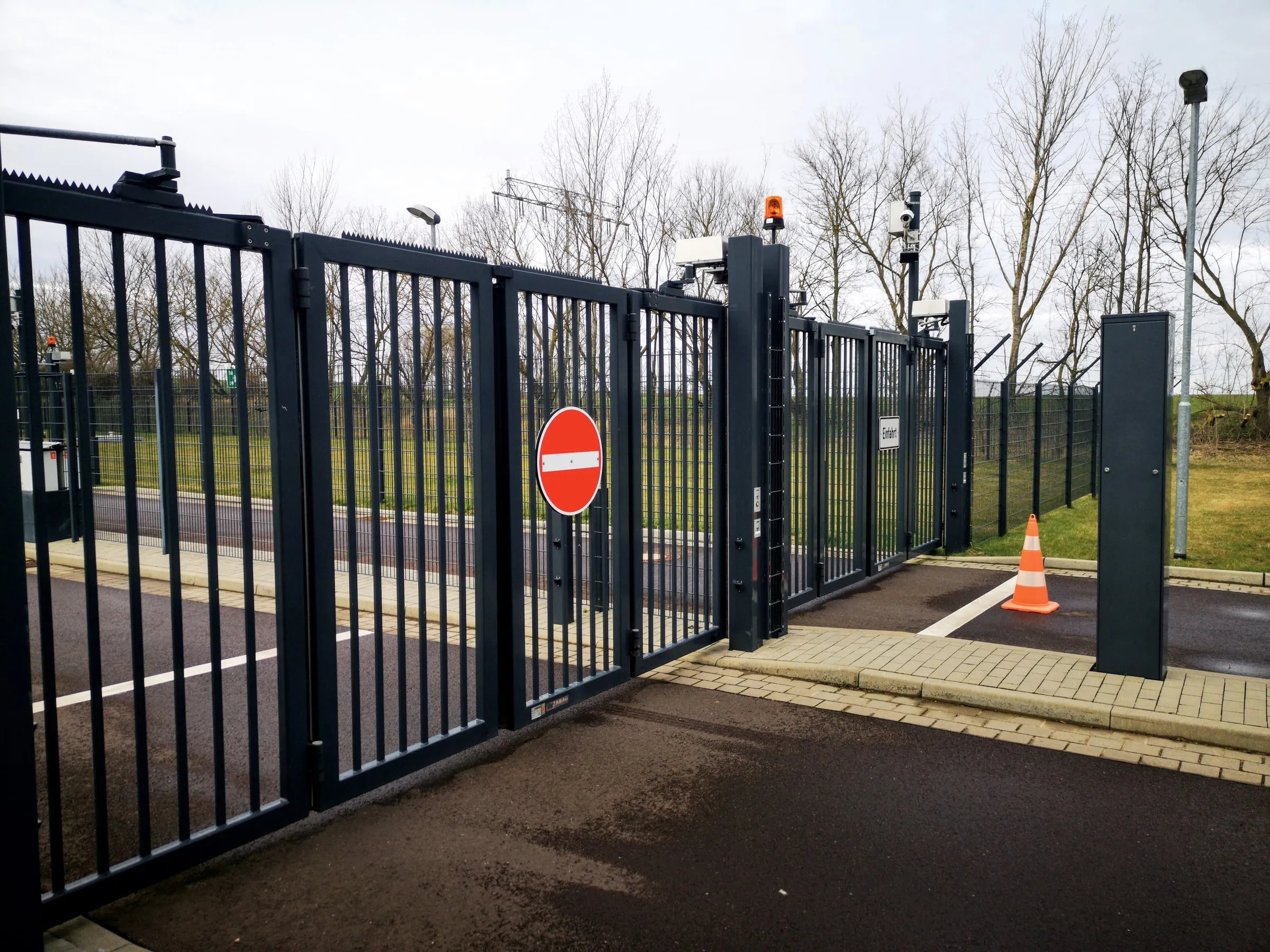
One county, two growth patterns
Montgomery County, north of Houston along I-45, holds two clearly different versions of Texas suburban growth within the same set of county lines. The Woodlands is a planned township built around a single master plan from the start, its villages, trails, amenity centers and Town Center laid out together rather than assembled piece by piece. Conroe and the corridor immediately around it are growing the way most Houston-area suburbs do, subdivisions, retail pads and commercial buildings added along the freeway as land becomes available, without one plan tying the pieces together. Both are expanding quickly, but the shape of that growth, and the kind of coverage request it produces, differs enough that treating the county as a single market misses the point.
The Woodlands runs like a small city with its own associations
Because The Woodlands was planned as a township, its residential coverage requests come through a structure that a typical Houston suburb does not have: village associations, each with amenity centers, pools and trails, some with gated sections, all operating under rules the association itself sets. Coverage here is planned around that structure. Evening and weekend patrol through the villages, pool closings, presence on the trails and in the parks after dark, and guardhouse coverage where a section is gated all get written into post orders that reference the specific association’s rules rather than a generic property policy. The township’s Town Center, Hughes Landing and the Waterway add a second layer entirely, corporate towers, hotels and a public realm that stays busy into the evening, which produces requests that look more like an urban office-and-hospitality market than a residential one, sitting inside the same township.
Conroe’s growth looks like the rest of the region’s edges
Just north of The Woodlands, Conroe and the corridor around it are expanding in the more familiar pattern seen in Katy, Cypress and Pearland: new subdivisions, schools, retail centers and commercial pads rising along I-45 and its frontage roads as the county’s population grows. Without a single master plan coordinating the pieces, requests here tend to come property by property rather than through an association covering an entire section, and construction security for subdivisions still being built is a more common request than it is closer to the established parts of The Woodlands. The two areas sit close enough together, and share enough of a commuting relationship, that officers based on the north side work both as part of the same territory, but the post orders written for a Conroe subdivision and for a Woodlands village amenity center rarely resemble each other.
Trees and creeks make storms the county’s defining season
Montgomery County’s tree cover, one of the reasons The Woodlands markets itself as a green community, cuts both ways when weather moves through. Downed limbs and localized power outages are a more routine event here than in the flatter, more open parts of the region, and Spring Creek and Lake Woodlands bring flood risk to the properties near them during heavy rain, not only during a named storm. Hurricane season, June through November, layers the same broader planning on top of this local pattern: gate failures during power outages, storm rounds through the villages and subdivisions, and coverage for a property until debris is cleared and systems are restored. Because tree damage here can happen with any strong storm system, not only a tropical one, post orders for county properties tend to carry a standing storm section rather than one that only activates for a named hurricane.
This is one of the clearest ways the county’s two growth patterns still resemble each other despite looking so different on the ground. A village association in The Woodlands and a homeowners association in a newer Conroe subdivision are both, in practice, managing the same tree-and-creek exposure, just within different governance structures. The Woodlands’ associations tend to have established storm protocols already written into their own community rules, since the township has weathered many seasons under the same planning framework, while a newer Conroe development may still be working out what its own storm response should look like as the community matures. Either way, the officer’s job during a storm event looks similar: hold the gates that fail open, walk the property for downed limbs and standing water, and keep the daily report current until conditions return to normal.
Comparing the two parts of the county
| The Woodlands | Conroe and the surrounding corridor | |
|---|---|---|
| Growth pattern | Single master-planned township | Conventional subdivision and commercial growth |
| Who typically requests coverage | Village associations, Town Center properties | Individual property owners and builders |
| Property mix | Villages, amenity centers, corporate campuses, hotels | Subdivisions, retail pads, commercial buildings |
| Weather concern | Tree damage, creek flooding, hurricane season | Same storm exposure across a wider, less wooded footprint |
Starting coverage in Montgomery County
Give dispatch the property’s address, whether it is a village association, a Town Center building or a Conroe-area development, the hours you want covered, and a contact who can meet a supervisor on site. Officers based on the north side work Montgomery County as their regular territory, so scheduled posts start on the same timeline as anywhere else in the region even though the drive from Sugar Land is longer. The Woodlands area page goes deeper on the township itself; request a proposal for a property anywhere in the county.
Questions
Related questions
Why does The Woodlands need a different security approach than a typical suburb?
It was designed from the start as a planned township with villages, trails and amenity centers run by associations rather than a conventional patchwork of separate subdivisions. That structure means requests come through village associations with defined rules for pools, trails and gated sections, which is a more organized starting point than an area that grew subdivision by subdivision.
How is Conroe's growth different from The Woodlands right next to it?
Conroe and the corridor around it are expanding the way most Houston-area suburbs do: new subdivisions, retail centers and commercial pads added along the freeway as land becomes available, without the single master plan that shapes The Woodlands. Coverage requests there look more like a typical growth-corridor pattern than a planned-township one.
Does the distance from Sugar Land affect coverage in Montgomery County?
It affects how quickly a supervisor or an emergency unarmed response can reach a property, since the county sits roughly an hour north of the Sugar Land headquarters. It does not affect scheduled posts, which are staffed by officers based on the north side who work Montgomery County properties as their regular territory.
What is the biggest seasonal factor across the county?
Storms more than heat, relative to other parts of the region. Montgomery County's tree cover and creeks make downed limbs and localized flooding a bigger recurring issue than in flatter, more open parts of the region, and post orders for properties near Spring Creek or Lake Woodlands carry a storm section for that reason.
Related pages
Industries we serve
Services
Service areas
Insights
Request a proposal
Request a proposal for your property.
Two short steps. Dispatch reviews every request and calls you back about coverage. For urgent unarmed coverage we can typically staff most sites within hours.
24-hour dispatch
(281) 326-9189