
Costs and budgeting
Fire Watch Cost: Why Rates Vary and What Is Included
By Price Protection SecurityReviewed TX DPS Lic #B09430601
Short answer
A fire watch's rate follows the round interval, the length of the watch and what triggered it. A hot-work watch has a defined end point set by OSHA and NFPA 51B; a watch for an impaired fire protection system runs until the system is restored under IFC 901.7, which is why the two can cost very different amounts even at the same site.
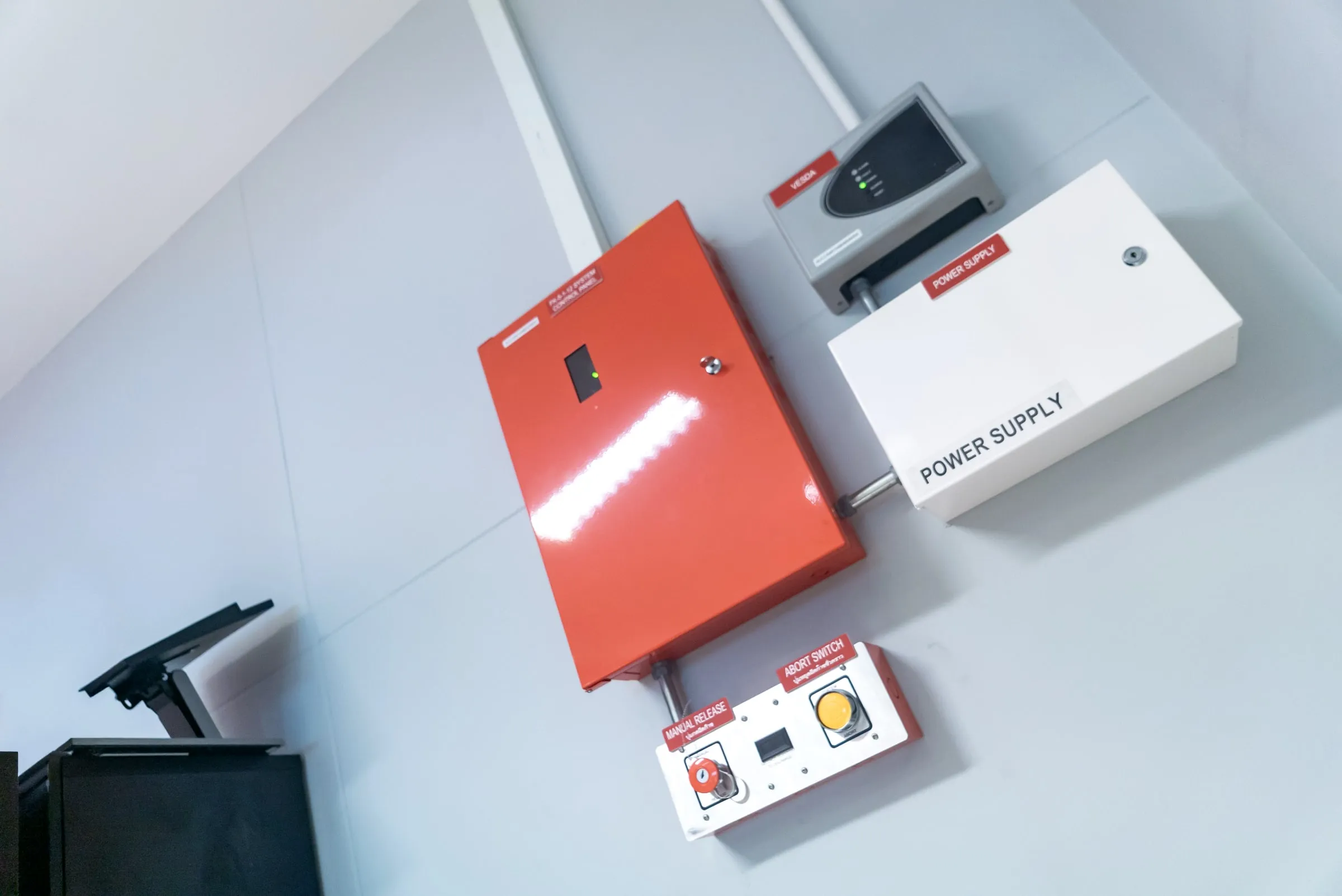
The rate follows the round, not a flat fire-watch price
A fire watch is priced like any other post, by the officer’s hour, but what sets a fire watch rate apart is the round: how often the officer must physically check the area, how long the watch has to run and what triggered it in the first place. Two fire watches that look the same on paper, one covering a single day of hot work and one covering an open-ended sprinkler outage, can carry very different costs because the obligation behind them is different. This page goes through what actually varies and what a Price Protection fire watch proposal includes.
Hot work sets a short, defined watch with a hard end point
OSHA’s rule at 29 CFR 1910.252(a)(2)(iii) requires a fire watch during hot work, welding, cutting or brazing, wherever combustibles sit within thirty-five feet of the work, are close enough to be reached by sparks, or sit behind a wall or floor opening the work could expose. The watch continues for at least thirty minutes after the hot work ends, and NFPA 51B’s 2019 edition calls for a full hour of monitoring afterward, with the permit-issuing authority able to require more. Because the trigger and the end point are both known in advance, a hot-work fire watch is usually the easiest to price: the officer, the round interval and the duration are set by the permit before the work starts.
An impairment fire watch runs on the system, not the clock
When a required fire protection system, a sprinkler, an alarm or a suppression system, goes out of service, the International Fire Code’s section 901.7 calls for the fire department and the fire code official to be notified immediately, and where the fire code official requires it, either the building is evacuated or an approved fire watch covers the building until the system is restored. The building owner names an impairment coordinator to manage that process. Unlike a hot-work watch, an impairment watch does not have a fixed end time built into the trigger; it runs until the system is back in service, which can take hours or days. That open duration is the main reason impairment fire watch costs vary more than hot-work costs do: the property is essentially budgeting for an unknown number of shifts until the repair is finished, and Price Protection staffs whichever window the permit or the fire code official sets.
What actually moves the number
The round interval is the biggest variable. A fire watch log records the time of each round, the areas checked, the conditions found and the officer’s signature, and the interval between rounds is set by the permit, the fire code official or the property’s own risk, not by a fixed industry number. A tighter interval means more physical distance covered per hour and, on a large property, may mean more than one officer to keep every area within the interval. Duration is the second variable: a single afternoon of torch-down roofing work is a different commitment than a week-long sprinkler impairment during a renovation. Notice matters here more than almost anywhere else, because a fire watch is frequently needed the same day a system goes down or a permit is pulled, and emergency starts carry the same short-notice consideration any post does. Site access, whether the officer needs specific PPE, and whether the watch runs overnight when the rest of the building is unoccupied, complete the picture.
Equipment and readiness are part of the watch, not extras
A fire watch officer carries extinguishing equipment appropriate to the area and is trained to use it and to sound the alarm, and that equipment and training are part of the post regardless of what triggered the watch. On a hot-work watch, the officer is typically stationed close enough to the work to act immediately if a spark catches, which is a different kind of attention than the wider rounds an impairment watch requires across a whole building. Neither version is priced as a bare presence; both include the training and equipment a fire watch specifically requires beyond what a general security patrol carries.
Comparing the two common triggers
| Hot work fire watch | Impairment fire watch | |
|---|---|---|
| Trigger | A hot-work permit: welding, cutting or brazing | A required fire protection system out of service |
| Duration is set by | OSHA and NFPA 51B, plus the permit | The repair timeline and the fire code official |
| Minimum monitoring after the trigger ends | At least 30 minutes (OSHA), up to one hour (NFPA 51B) | Continues until the system is restored |
| Typical notice | Scheduled with the work | Often same-day or emergency |
What a fire watch proposal includes
The proposal states the officer’s license, the round interval, the estimated duration or the terms for an open-ended watch, whether a log is provided and reviewed daily, and the rate for the hours involved. For hot work, the interval and the minimum monitoring period after the work ends are written in from the permit. For an impairment, the proposal notes that the watch continues until the client confirms the system is restored, with the terms for extending or ending it stated up front rather than negotiated mid-watch. The what is a fire watch article explains the underlying obligation in full, and the fire watch rounds article goes through how the interval itself is set. This is a summary of the regulations, not legal advice; your permit and the authority having jurisdiction govern the specific requirement at your property.
Questions
Related questions
Who decides how long a fire watch has to run?
For hot work, OSHA and NFPA 51B set the minimum monitoring period after the work ends, and the permit can extend it. For an impaired system, the fire code official and the repair timeline decide.
Does a fire watch ever need more than one officer?
On a large property with a tight round interval, yes, because one officer may not be able to reach every area inside the interval the permit or the risk requires.
Is a fire watch billed differently from a security patrol?
It is billed by the hour like any post, but the round interval and the duration, not just the hours, are what the proposal states, because they define what the officer is actually required to do.
What happens if the impairment takes longer than expected?
The watch continues until the client confirms the system is restored. The proposal states the terms for extending it so coverage does not lapse while the repair is still underway.
Related pages
Insights
- What Is a Fire Watch? A Plain-English Guide for Property Owners
- How Long Can a Fire Watch Last?
- How Fire Watch Rounds Work: Intervals, Routes and Checkpoints
- Armed Security Guard Cost: What Drives the Rate
- Construction Site Security Cost: Budgeting for a Project
- Event Security Cost: Guards Per Guest and Hours
Answers
Glossary
Request a proposal
Request a proposal for your property.
Two short steps. Dispatch reviews every request and calls you back about coverage. For urgent unarmed coverage we can typically staff most sites within hours.
24-hour dispatch
(281) 326-9189