
Houston and local
Security Planning for Houston Festivals and Outdoor Events
By Price Protection SecurityReviewed TX DPS Lic #B09430601
Short answer
Outdoor event security in Houston is planned around heat and parking before it is planned around crowd size. Long stretches of hot weather push more of an event's real security work into shade, water access and how far guests walk from parking to the gate, and half the calendar year for outdoor events overlaps with hurricane season, June through November, which adds a weather contingency to plans that would not need one in a milder climate.
Heat is the planning constraint, not crowd size
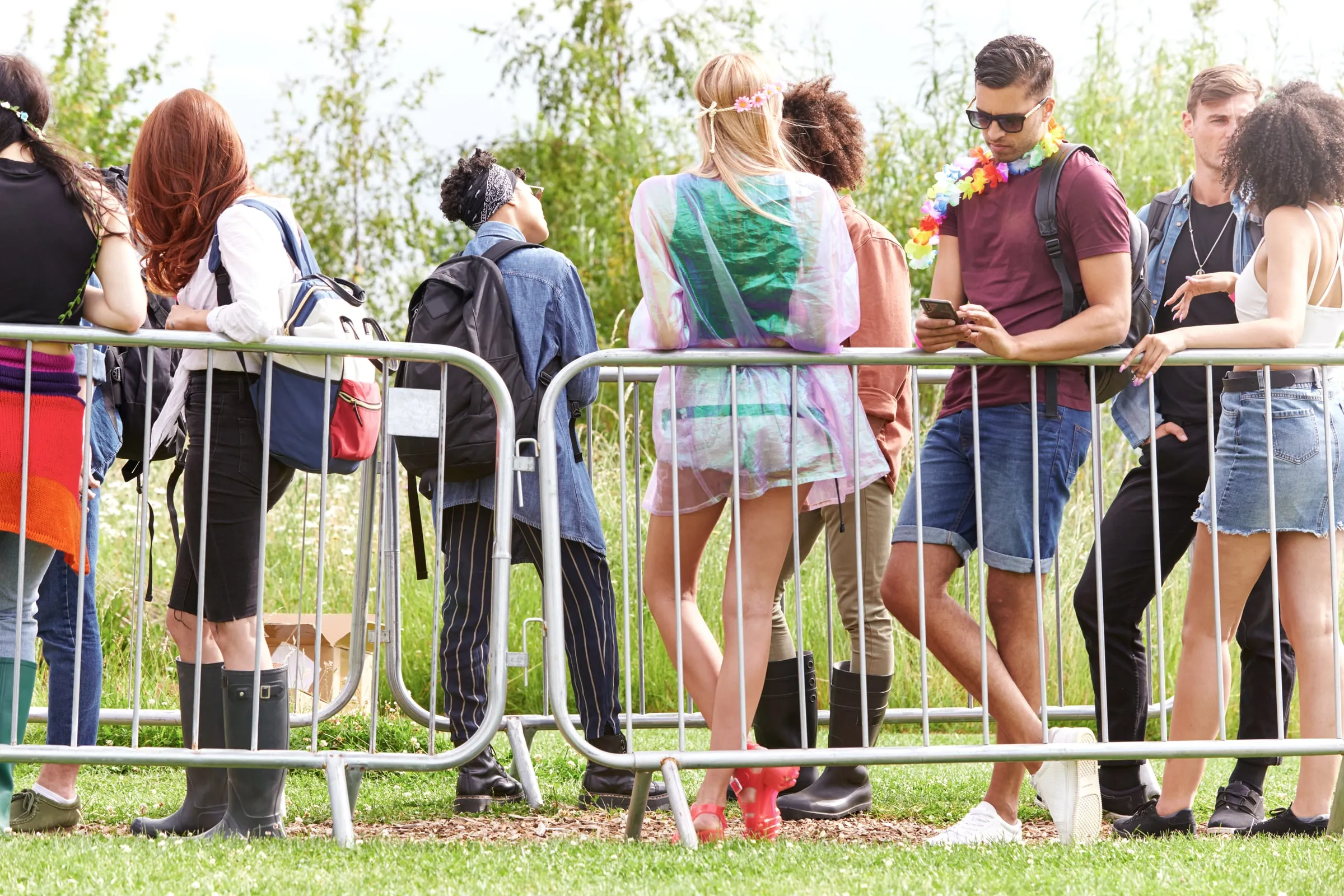
Most guides to event security start with headcount: how many guests, how many entrances, how many officers per hundred people. In Houston, that math still matters, but it is not the first question. The region’s long warm season, stretching well beyond the calendar summer, means an outdoor festival, church gathering, HOA block party or corporate picnic has to plan for heat regardless of how many people show up. That means shaded areas are treated as a security consideration, not just a comfort one, because a shaded gathering point doubles as the place officers direct someone who is overheated. It means water access points are mapped alongside entrances and exits on the site plan. And it means an event held at midday in July needs a different officer positioning than the same event held in the evening, even with an identical guest list, because the risk an officer is actually watching for shifts from crowd behavior toward heat exposure as the day gets hotter.
Parking is its own event
Houston’s outdoor venues, fairgrounds, church campuses, HOA amenity centers, corporate campuses with room for an outdoor gathering, are frequently built with parking some distance from the event itself, which is a direct result of the same sprawl that shapes everything else about the region. That distance turns the walk from a car to the gate into a security question in its own right: is the path lit if the event runs into the evening, is there a staffed point where guests re-enter after stepping out to their vehicle, and is the parking area itself covered while everyone’s attention is on the event rather than their cars. A site plan that accounts only for the fenced event area and skips the parking field misses a large share of where an outdoor gathering’s actual foot traffic, and its actual exposure, happens.
Officers double as the first response until help arrives
Outdoor events spread across open ground, without the fixed walls and short distances of an indoor venue, put more weight on how quickly someone on site can respond to a guest in distress, whether the cause is heat, a fall, or something else. Officers are trained in first aid and incident reporting as part of their standard preparation, which matters more at an outdoor Houston event than it might elsewhere, because the time between an incident and the arrival of an ambulance can be longer at a large outdoor site with a single access road than it would be at a building with an address on a city street. Positioning officers near the shaded gathering points and water access areas described above is partly about crowd management and partly about keeping a trained first responder close to the places where a heat-related incident is most likely to happen. Every incident, however minor, still generates a written report the same day, so the event organizer has a record independent of what any single guest remembers afterward.
Hurricane season shares the calendar with festival season
From June through November, roughly half of the year’s outdoor event calendar overlaps with hurricane season, and that overlap has to be part of the plan rather than an afterthought. This does not mean every outdoor event scheduled in that window faces a storm; most do not. It means the security plan for an event in that window includes a weather contingency from the start: a decision point for delaying or shortening the event, a plan for moving guests toward covered areas or vehicles if conditions turn quickly, and officers already positioned at entrances who can help direct an orderly exit rather than improvising one. Events scheduled outside that window, in the cooler months from December through May, still deal with Houston’s heat less, but keep the same underlying planning habit: work out the weather contingency before the event, not during it.
Scaling the plan to the event
A large ticketed festival and a small HOA gathering ask the same basic questions; they just answer them at different scale. The table below is a starting point for that conversation.
| Event type | Typical planning focus | What usually changes with scale |
|---|---|---|
| HOA or neighborhood gathering | Entrance control, parking, a single gathering point | Fewer officers, simpler layout |
| Church festival or community day | Multiple activity areas, family flow, shade and water | Officer count scales with the number of activity areas |
| Corporate outdoor event | Guest list control, parking, a defined event footprint | Coverage often paired with standby for VIP or executive presence |
| Ticketed concert or festival | Entrance and ticketing control, crowd flow, multiple exits | Officer count scales directly with expected attendance |
Building the plan with dispatch
Getting an outdoor event staffed starts with the site plan: where guests park, where they enter, how many activity areas or stages there are, the expected attendance, and the date. Dispatch uses that to work out officer count and positioning, including where shade and water points sit relative to those posts and what the weather contingency looks like if the date falls within hurricane season. Organizers who are not sure how many officers a given site and guest count call for can start with a rough plan and let a supervisor’s walk-through of the actual grounds refine it, which is usually more accurate than working from a headcount alone. The event security planning checklist is a useful starting point for organizing that information before the call. Request a proposal with your event date and site plan, or call dispatch to start the conversation.
Questions
Related questions
Why does heat matter more to Houston event planning than crowd size alone?
Because it changes what an officer's post actually needs to include. A festival, block party or outdoor service held during Houston's long warm season has to plan for shade, water access points and where an overheated guest can be moved to cool down, regardless of how many people attend. Crowd size sets officer count; heat sets where those officers are positioned.
How does parking factor into an outdoor event's security plan?
Houston's outdoor venues are often spread across large sites with parking some distance from the actual event, which turns the walk itself into part of the security plan. Lot presence, a lit and staffed path from parking to the gate, and coverage of the parking area itself while guests are inside all get planned as separate elements from the event grounds.
What happens if hurricane season overlaps with an event date?
Outdoor events scheduled between June and November are planned with a weather contingency built in from the start: what happens to the security plan if the event is delayed, shortened or moved indoors, and how officers already on site help direct an orderly exit if that becomes necessary. This is planning, not a prediction that any specific event will be affected.
Does a small outdoor gathering, like an HOA event or a church festival, need the same planning as a large concert?
The scale is different, but the same questions apply: how guests arrive and park, where shade and water are, what the plan is if weather turns, and how many entrances need staffing. A smaller event usually needs fewer officers answering those same questions rather than a different planning process.
Related pages
Industries we serve
Services
Service areas
Insights
Resources
Request a proposal
Request a proposal for your property.
Two short steps. Dispatch reviews every request and calls you back about coverage. For urgent unarmed coverage we can typically staff most sites within hours.
24-hour dispatch
(281) 326-9189