
Choosing your coverage
Courtesy Officer vs Contract Security for Apartments
By Price Protection SecurityReviewed TX DPS Lic #B09430601
Short answer
A resident courtesy officer lives on the community at a rent discount and answers calls when home; a contracted courtesy patrol is a licensed officer working a scheduled shift under written post orders, backed by a supervisor and 24-hour dispatch. The friendly name can stay either way. What changes is accountability: a schedule with relief, a daily report a manager actually reads, and coverage that does not depend on whether one resident happens to be home.
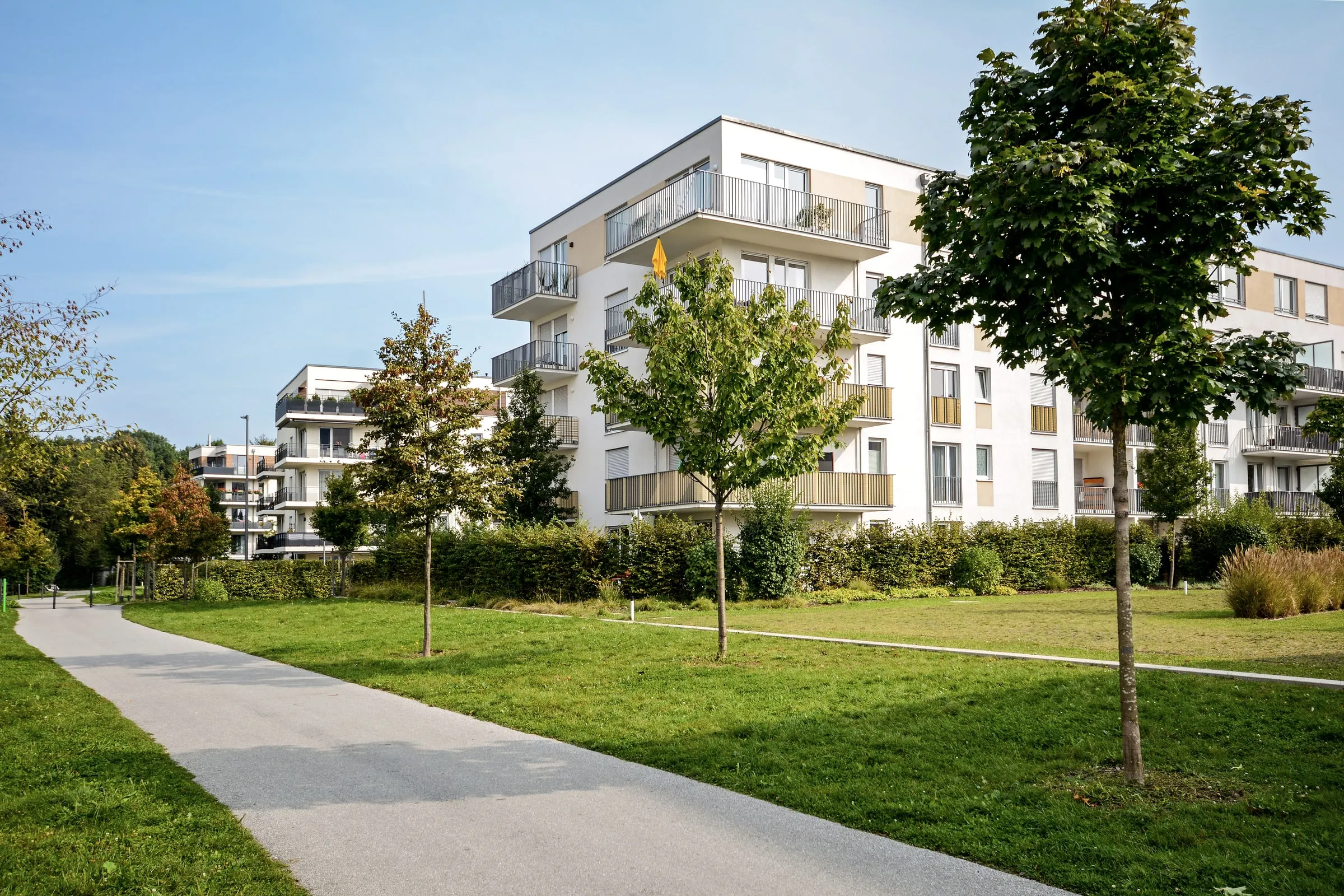
Same name, two different arrangements
“Courtesy officer” describes the after-hours presence at an apartment community, and the name covers two arrangements that share almost nothing else. In the older version, a resident lives on the property at a reduced rent and is expected to respond, when home, to a noisy pool or a car where it should not be. In the newer version, a licensed contract officer works a scheduled shift, follows written post orders and is reviewed against a daily report. Both get called a courtesy officer by residents and management alike. The choice between them is really a choice between two different accountability structures wearing the same job title.
What the resident model actually provides
A resident officer is on the property because they live there, which means coverage exists whenever that person happens to be home and willing to respond. There is usually no written schedule, no relief officer for a night off, no supervisor reviewing what was or was not handled, and no report a manager reads before the office opens. The arrangement is inexpensive to set up, since it trades a portion of market rent for an informal expectation rather than a line-item cost, and for a small, quiet community it has worked for years at a time. Its limits show up unevenly: on the night the resident officer is traveling, sick, or simply asleep, the community has no coverage at all, and nobody finds out until something happens that the report would have caught.
What a contracted courtesy patrol actually provides
A contracted courtesy patrol replaces the informal arrangement with a scheduled post: a licensed officer for the hours the community sets, seven nights a week or fewer, with a named regular officer and a relief officer who covers days off so the schedule never has a true gap. The officer walks foot rounds through breezeways and amenities, drives vehicle rounds through the lots and the perimeter, answers a published courtesy line, clears and locks the pool and clubhouse at closing, and enforces the community’s own noise, guest and parking policies exactly as the post orders state them. Every shift ends with a written daily report the manager reads before the office opens, and a supervisor reviews that report and the officer’s performance against it. Nothing about this requires giving up the friendly name; the community can call the post whatever it wants.
Side by side
| Resident courtesy officer | Contracted courtesy patrol | |
|---|---|---|
| Coverage when the person is away or unavailable | None | Covered by a relief officer |
| Training and licensing | Whatever the individual already has | Texas DPS registration and company training required |
| Written post orders | Rarely | Always, agreed before the first shift |
| Daily report | Rarely | Every shift, reviewed daily by a supervisor |
| Backup at three in the morning | Depends on the individual | 24-hour dispatch |
| Cost structure | A rent discount | A contracted rate for the hours covered |
The liability question boards eventually ask
The resident model’s biggest exposure is not that it fails often; it is that nobody can say in advance how it will perform on the night it matters, because there is no schedule, no training record and no supervising company standing behind the response. When a board, an owner or an insurer asks what happens if a resident officer does not respond, or responds incorrectly, to an incident, the honest answer under the resident model is that the community has no documentation of what should have happened, only what one person decided to do in the moment. Under a contracted patrol, the post orders describe what the officer is supposed to do, the daily report shows what actually happened, and the contracted company’s own insurance stands behind the post. That paper trail is often what actually decides the question, more than any single incident does.
What management gains beyond the coverage itself
The difference also shows up in what a manager can actually use the next morning. A resident arrangement leaves the office relying on secondhand accounts, a neighbor’s text, a comment at the leasing desk, to reconstruct what happened overnight, days after the fact and often only partially. A contracted patrol’s daily report is written the same shift it describes, with times, locations and what was found, so a pattern across several nights, cars circling the same lot, a gate propped at the same hour, shows up in the reports themselves rather than depending on someone remembering to mention it. That record also becomes useful outside of security decisions: a manager preparing a budget for gate repairs, a board weighing whether to add a second post, or an owner responding to a resident complaint all draw on the same written history rather than reconstructing it from memory each time the question comes up.
Making the change without losing the coverage residents expect
Converting from a resident arrangement to a contracted patrol does not have to feel like a downgrade to residents who liked knowing a familiar face. Dispatch takes the community’s address, size, hours and existing policies, a supervisor walks the property with the manager, and post orders are written that mirror the routine residents already expect, closing times, the pool rule, the parking policy, formalized into a document rather than left to memory. The community keeps the option to publish a courtesy line under whatever name it prefers, and the transition typically runs alongside the outgoing arrangement rather than leaving a gap between the two.
Questions
Related questions
Why do some communities still use the resident courtesy officer model?
Mainly history and cost structure. The arrangement predates widespread contract security and trades a rent discount for informal coverage, which can look inexpensive on paper. Communities that inherited the model from a previous management company often keep it until a gap in coverage or a liability question prompts a change.
Does a contracted courtesy patrol replace the community's own staff?
No. Leasing staff, maintenance and the office remain the community's own employees during business hours. A contracted courtesy patrol covers the evening and overnight hours after the office closes, when the community would otherwise have no one on site at all.
What insurance question does the resident model usually raise?
Whether a resident performing security-adjacent duties, without a license, training records or a supervising company, is covered the same way a contracted, insured vendor would be if something goes wrong on a call. Boards and owners typically raise this during a policy renewal or after a claim, not before.
Can a community keep the same officer under a contract?
Often, yes, for continuity. Some communities that convert from a resident arrangement to a contracted patrol ask the incoming company to consider the outgoing resident officer for the role, if that person can meet the DPS registration and background-check requirements the contract requires.
Related pages
Industries we serve
Services
Insights
Glossary
Request a proposal
Request a proposal for your property.
Two short steps. Dispatch reviews every request and calls you back about coverage. For urgent unarmed coverage we can typically staff most sites within hours.
24-hour dispatch
(281) 326-9189